

The assam teer result is one of the most searched lottery phrases in Northeast India, yet most people who check it every day have never been told where it actually comes from. It does not come from a machine, a computer draw, or a television studio. It comes from a field in Khanapara, on the edge of Guwahati, where skilled archers fire arrows at a bamboo target while officials, counters and spectators watch every shot. This article goes inside that world: the ground where the Assam teer game is held, the organizing clubs that run it, and the legal framework that keeps it a licensed lottery rather than an illegal gamble.
If you are looking for the daily numbers themselves, head to our Khanapara teer result page for the latest declared first-round and second-round figures. What follows is the complete story behind those figures.

Where the Assam teer result is born – the Khanapara ground
Every sport needs a venue, and the Assam teer game has one of the most distinctive venues in Indian sport: a large open ground at Khanapara, a locality on the southern edge of Guwahati in Assam. Khanapara sits near the border between Assam and Meghalaya, close to the Assam-Meghalaya boundary at Jorabat, and it is within easy reach of both Guwahati city and the Meghalaya capital region. This geography matters more than it seems, because teer in this region operates at the meeting point of two states, and the Khanapara ground is the physical anchor of the whole Assam teer system.
The layout of a teer ground
A teer ground is not a stadium in the conventional sense. It is a wide, flat open field with a few carefully measured zones. At one end stands the shooting line, where the archers take their positions. At the other end, set at the regulation distance used by teer organizers, stands the target: a large cylindrical bundle of straw or bamboo, often described as a haystack-like structure, firmly mounted on a frame. The distance between the archers and the target is long enough that hitting it consistently requires genuine skill, which is exactly the point. Teer is based on traditional Khasi archery, and the entire game is built around the idea that the result should come from human ability rather than a random draw.
Around the ground there are spaces for the officials who supervise the rounds, for the people who count the arrows that strike the target, and for spectators. On a typical day, the ground fills with ticket buyers, club volunteers, and curious onlookers long before the first round begins. The atmosphere is closer to a local festival than a casino floor: tea stalls, conversation, and the sharp sound of arrows leaving bows.
Khanapara morning and the regular session
The Assam teer market at Khanapara does not hold a single round per day. Like the other established teer markets of the region, it runs multiple sessions, which is why you will see both a morning result and an afternoon result associated with the Khanapara name. The morning session is the earlier program of the day, and the regular afternoon session is the main event that most players follow. Each session has its own first round (FR) and second round (SR), so a full day of Assam teer produces several declared figures rather than one.
If you want to see both sessions presented side by side, our Khanapara morning teer result coverage separates the morning program from the afternoon program so the numbers never get mixed up.
Why the ground matters for trust
There is a practical reason this article starts with geography instead of numbers. The credibility of the assam teer result rests on the fact that anyone can, in principle, walk to the Khanapara ground and watch a round happen. The archers are visible. The target is visible. The counting is done in the open. This transparency is the foundation of the game, and it is also the reason results are accepted across such a wide area. When a result is announced, thousands of people who were not at the ground still trust it, because the mechanism is public, repeatable, and supervised rather than hidden inside a machine.
The organizing clubs – who runs the Assam teer game
No lottery of this scale can run on volunteers alone, and the Assam teer game at Khanapara is organized by a network of archery clubs and associations that operate under licence from the state authorities. Understanding these clubs is the key to understanding why the game looks the way it does, and why its results carry official weight.
Licensed organizers and their responsibilities
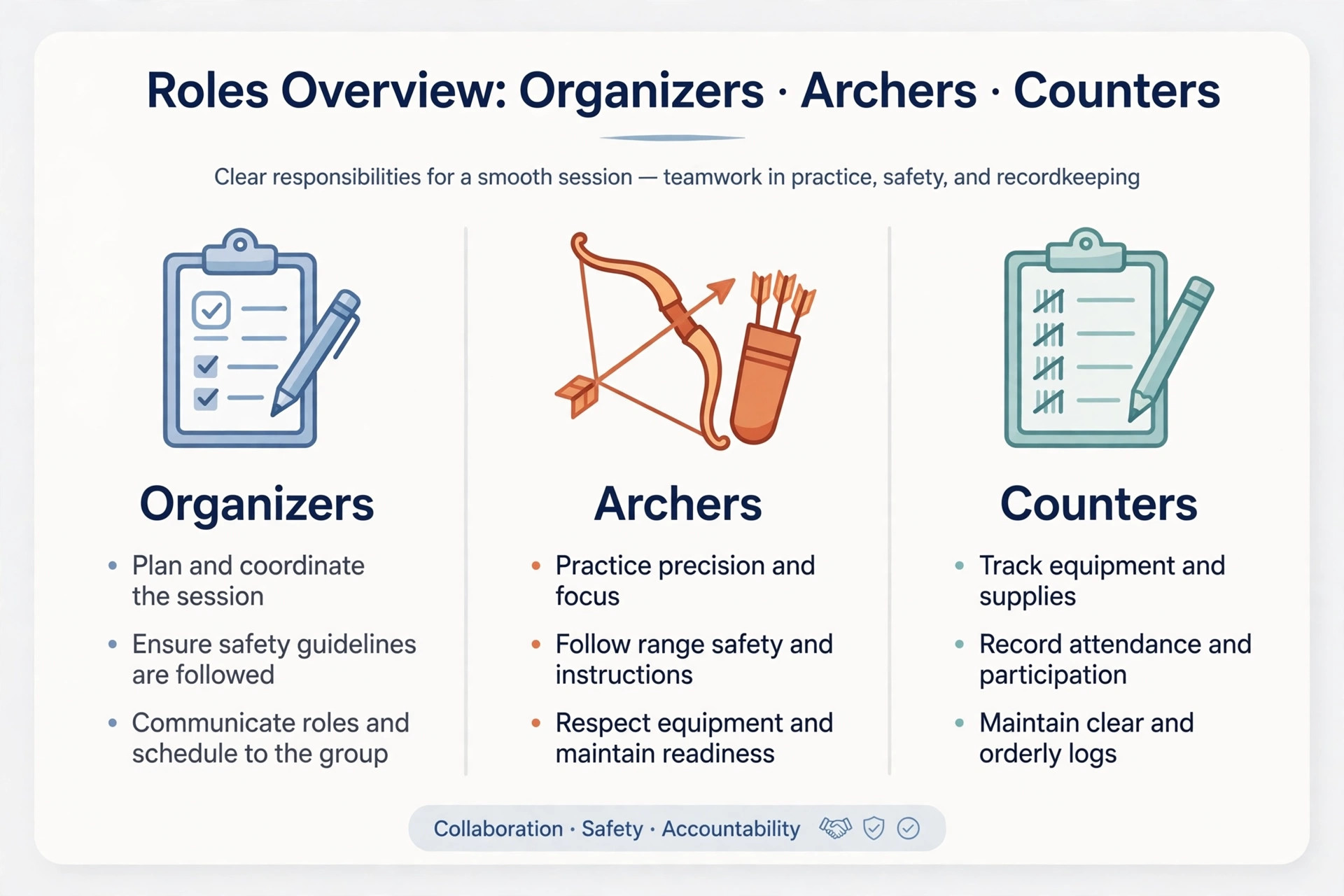
The clubs that run teer at Khanapara are formally recognized bodies, not informal groups. Each organizer holds a licence issued under the state regulatory framework, and the licence comes with concrete obligations: maintain the ground, employ the archers, ensure the target and equipment meet standards, sell tickets through authorized counters and agents, conduct the rounds at the declared times, count and declare results in the presence of officials, and keep proper records of ticket sales and payouts.
On any given day, the organizational chart looks roughly like this. A core committee of the organizing club oversees the program. Marshals and ground staff manage the shooting line and the target area. Independent counters, often appointed or approved by the authorities, record the arrows that hit the target. Ticket counters and their network of selling agents handle the sale side of the operation. Each role exists so that no single person controls both the shooting and the counting, which protects the integrity of the assam teer result.
The archers – the human engine of the game
The archers are the most important people at the Khanapara ground, and also the least understood. They are not professional athletes in the Olympic sense; they are practitioners of a traditional Khasi archery style that has been passed down through generations in the hills around Shillong and spread through the teer markets of the region. They shoot with traditional bamboo bows and arrows, standing at a fixed distance, and they loose their arrows in rapid succession over a short window of time.
What makes the game work is that even the best archer cannot control exactly how many arrows will hit the target on a given day. Skill sets the general range, but wind, light, fatigue, and the small variations in every bamboo arrow keep the outcome uncertain. The last two digits of the number of arrows that strike the target become the declared result, which means the game converts a display of traditional archery into a number through a transparent counting process.
Ticket sellers and the betting counters
For the ordinary player, the most visible part of the organization is the ticket counter network. Licensed counters operate at the ground and through authorized agents in the surrounding towns and markets. Players buy tickets choosing a two-digit number, or in some markets a more elaborate selection, for the FR or SR round of a given session. The counter issues a receipt or ticket, records the sale, and the money flows back through the licensed chain. Winnings are paid against the declared result through the same network.
This is worth spelling out because it is the dividing line between the legal game and illegal gambling. A ticket bought at a licensed counter is part of a regulated lottery; a bet placed with an unlicensed bookie is not. Players should always use the authorized counters and keep their tickets safe.
The legal framework behind Assam teer
Teer is a legal lottery in Meghalaya, and that single fact shapes everything about how the Assam teer game at Khanapara is run. The game exists because state law permits it, regulates it, and taxes it. Players who understand the legal side can distinguish the real game from the many unauthorized imitations that misuse the teer name.
How teer became a licensed lottery
Archery-based betting has deep roots in the Khasi hills, but the modern regulated teer system grew out of state legislation designed to bring the traditional game under formal control. The Meghalaya Amusement and Betting Tax Act and the rules framed under it provide the legal backbone, and the broader regulatory setup of the state can be explored through the Meghalaya government portal: they allow licensed archery clubs to conduct teer, they define how the game must be run, and they create the taxation and oversight structure that keeps it accountable. Later regulatory clarifications strengthened licensing, advertising, and record-keeping requirements.
The practical effect is that the assam teer result declared at Khanapara is not a private announcement but the outcome of a state-supervised lottery process. The state earns revenue from the tax and licence regime, the clubs earn their operating margin, and the players participate in a game that the law recognizes.
What the law requires on the ground
Licensing is not a rubber stamp. An organizing club must demonstrate that it can run the game to the required standard: a suitable ground, proper equipment, trained staff, transparent counting, declared and adhered-to timings, and full financial records. Results must be declared openly and recorded. Disputes have a defined resolution path through the regulatory authorities rather than through private negotiation. Age restrictions apply: teer is for adults aged 18 and above, and responsible-play messaging is part of the regulated environment.
Why the legal status matters to you as a player
Three consequences follow directly from the legal framework. First, only results declared through the licensed process are official; anything announced by an unlicensed source has no standing. Second, winnings from the licensed game are paid through the licensed network, which is why keeping your ticket and buying from authorized counters matters. Third, the legal game is taxed and supervised, which is also why it can be reported on openly by result websites and news outlets without the legal risk that surrounds underground gambling.
A word of honesty is needed here: the teer name is widely misused. Unauthorized operators run fake “teer” games online and in messaging apps, promise guaranteed results, and sell so-called common numbers. None of these have anything to do with the licensed Khanapara game. The real assam teer result comes from the ground, through the licensed clubs, under the law described above.
How the FR and SR rounds actually work
With the institution understood, here is the mechanics of the game itself: what happens on the ground during a round, and how a shower of arrows becomes a two-digit number.
The first round (FR)
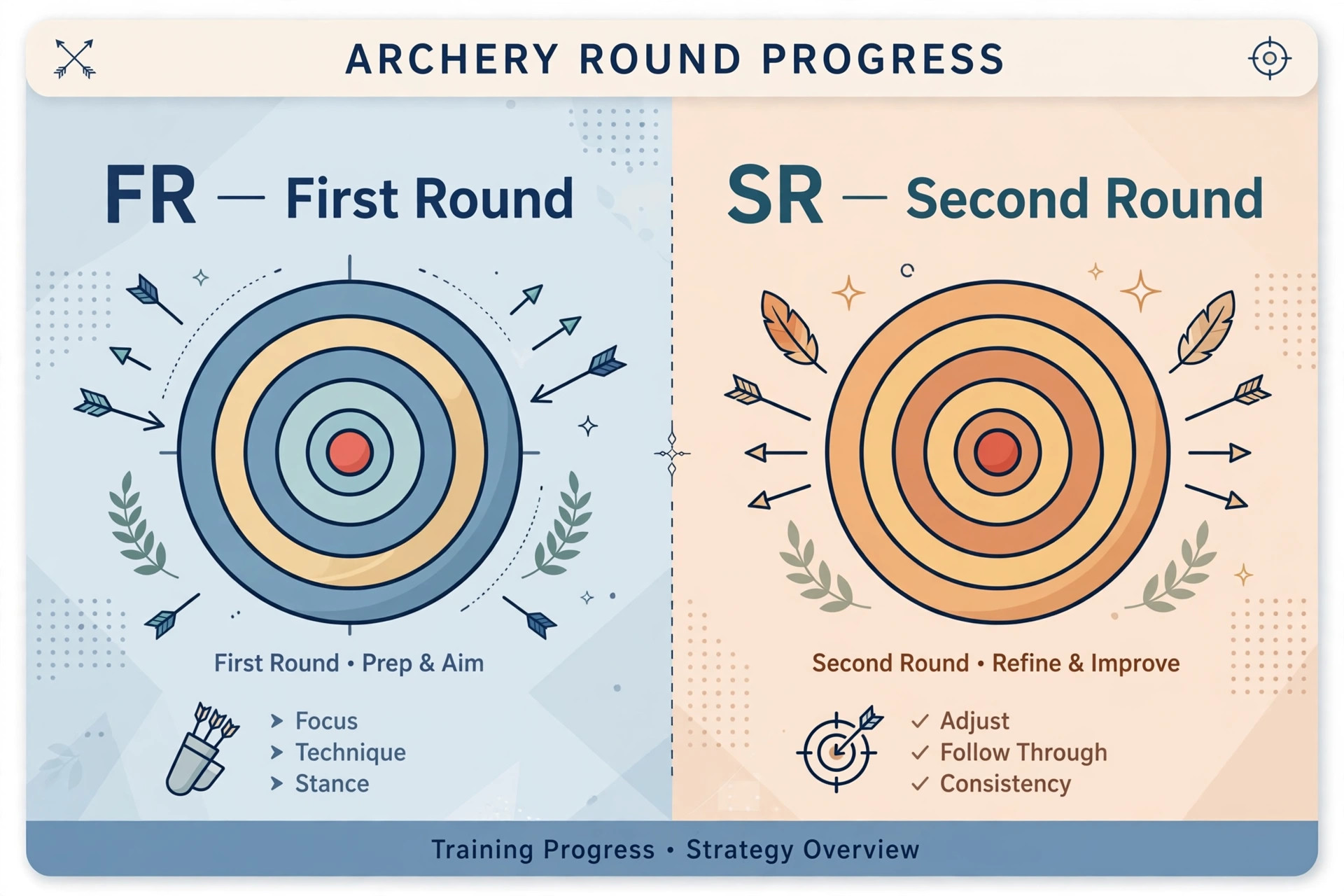
The first round of a session is the opening archery round of the day’s program. The archers take their positions at the shooting line, the officials signal the start, and over a fixed shooting window each archer looses a set number of arrows at the target. When the window closes, shooting stops, and the counting begins.
Counters examine the target and count every arrow that has struck it. The total count is recorded, and the result of the round is the last two digits of that total. For example, if the counters agree that a certain number of arrows hit the target, the declared result is the two-digit figure formed by the final two digits of the count. This is the FR result for that session, and it is announced at the ground and circulated to counters and result websites.
The second round (SR)
The second round follows the same procedure after a break. The target is prepared again, the archers return to the line, and a fresh round of shooting and counting takes place. The SR result is the last two digits of the second round’s arrow count, and it is entirely independent of the FR result. A new round means a new count, and the two results of a session stand on their own.
Players buy tickets separately for FR and SR, which is why you will always see the two figures listed as a pair for each session. The teer result list page on this site keeps every session’s FR and SR figures in chronological order so you can review the full day’s program at a glance.
Timings and why they matter
Each market declares its results at fixed times every working day, and Khanapara is no exception. The morning session declares its rounds earlier in the day, and the afternoon session declares its FR and SR in the afternoon and evening respectively. These timings are part of the licensed schedule: the clubs announce when each round will be shot and declared, and players plan their ticket purchases around the schedule.
Timings matter for a practical reason that every regular player knows. A result is only meaningful if it is the declared figure for the correct round and the correct session. Checking the Khanapara morning FR at the time the afternoon FR is declared will show you the wrong number, and mixing up sessions is one of the most common mistakes new players make. Always confirm which session and which round a figure belongs to before acting on it.
What can delay or cancel a round
Like any outdoor sport, teer is weather-dependent. Heavy rain, storms, or unsafe ground conditions can delay or cancel a round. Public holidays and administrative decisions can also suspend play. When a round is cancelled, there is no result for that round, and no figure is declared. Responsible result websites show the round as cancelled or pending rather than inventing a number, and you should treat any site that “declares” a result for a cancelled round as unreliable.
How to read the Assam teer result correctly
Reading a result correctly is a small skill that prevents large mistakes. Here is how the figures are structured.
The two-digit format
The declared result of any teer round is a two-digit number, from 00 to 99. It is derived from the arrow count as described above. Some presentations also show related figures such as the house or the ending derived from the two digits, but the official declared result is the two-digit number itself. When our site shows a “-” in a result slot, it is a placeholder meaning the round has not yet been declared or the round did not take place. It is never a winning number, and it is never a prediction.
Reading a full day’s card
A complete day’s card for the Assam teer game typically shows the morning session’s FR and SR and the afternoon session’s FR and SR, each labelled with its session and round. The day and date head the card. Older cards are archived in date order so you can look back at previous days. When you open the Pro Teer Result homepage, you will see the latest cards first, with each figure clearly labelled by market, session and round.
Common reading mistakes to avoid
New players most often go wrong in three ways. They mix up FR and SR, celebrating an SR win on an FR ticket or the reverse. They mix up the morning and afternoon sessions, which are separate programs with separate figures. And they trust screenshots and forwarded messages instead of checking the declared result from a reliable source. The forwarded-image economy around teer results is full of edited pictures and old cards presented as today’s. Verify every figure against a source you trust, and confirm the date on the card.
Responsible play and the 18-plus rule
Teer is a legal lottery in Meghalaya, and like every legal lottery it is restricted to adults aged 18 and above. Play only with money you can afford to lose, never chase losses, and treat teer as entertainment rather than income. If playing stops being fun, stop playing. Buy tickets only from licensed counters and agents, keep your tickets safe until results are declared and verified, and ignore anyone selling “guaranteed” numbers or “common number” tips: no one can predict the outcome of an archery round, and anyone claiming otherwise is running a scam.
Frequently asked questions about the Assam teer game
What is the Assam teer result?
The assam teer result is the declared outcome of the archery-based lottery game held at Khanapara in Guwahati, Assam. Each round produces a two-digit number derived from the number of arrows that strike the target during the shooting window, and the result is announced for the first round (FR) and second round (SR) of each session.
Where is the Assam teer game played?
It is played at the Khanapara ground in Guwahati, Assam, near the Assam-Meghalaya border. The ground hosts both the morning session and the regular afternoon session of the Assam teer market, each with its own FR and SR rounds.
Who organizes the Assam teer game?
Licensed archery clubs and associations organize the game under the Meghalaya state regulatory framework. They manage the ground, employ the archers, run the ticket counters, conduct the rounds, and declare the results in the presence of officials.
Is Assam teer legal?
Yes. Teer is a legal lottery in Meghalaya, conducted under state legislation including the Meghalaya Amusement and Betting Tax Act and the rules framed under it. The Khanapara game operates under this licensing and taxation framework, which is what makes its results official.
What do FR and SR mean in Assam teer?
FR stands for first round and SR stands for second round. Each session of the day has two archery rounds, shot and counted separately, and each round declares its own two-digit result. Tickets are sold separately for FR and SR.
When are the Assam teer results declared?
Results are declared at fixed times each working day. The morning session declares its rounds earlier in the day, and the afternoon session declares its FR in the afternoon and its SR in the evening. Check the Khanapara teer result page for the declared figures with their session and round labels.
Why does the result sometimes show a dash instead of a number?
A dash is a placeholder meaning the round has not been declared yet or did not take place, for example because of bad weather, a public holiday, or a scheduling change. It is never a result and never a prediction.
Can the Assam teer result be predicted?
No. The result comes from a live archery round where skilled archers shoot at a target under open conditions. Nobody can predict or control how many arrows will strike the target, so any “common number” or “hit number” tip is a scam.
Conclusion
The assam teer result that flashes across result websites every day is the endpoint of a remarkable chain: a traditional archery ground at Khanapara, licensed organizing clubs, archers practicing a generations-old skill, open counting under official supervision, and a state legal framework that turns it all into a recognized lottery. Knowing the institution behind the number makes you a smarter follower of the game and a safer player. Check the declared figures on our Khanapara teer result page, buy only from licensed counters, and remember that the real game always happens in the open at the ground.