
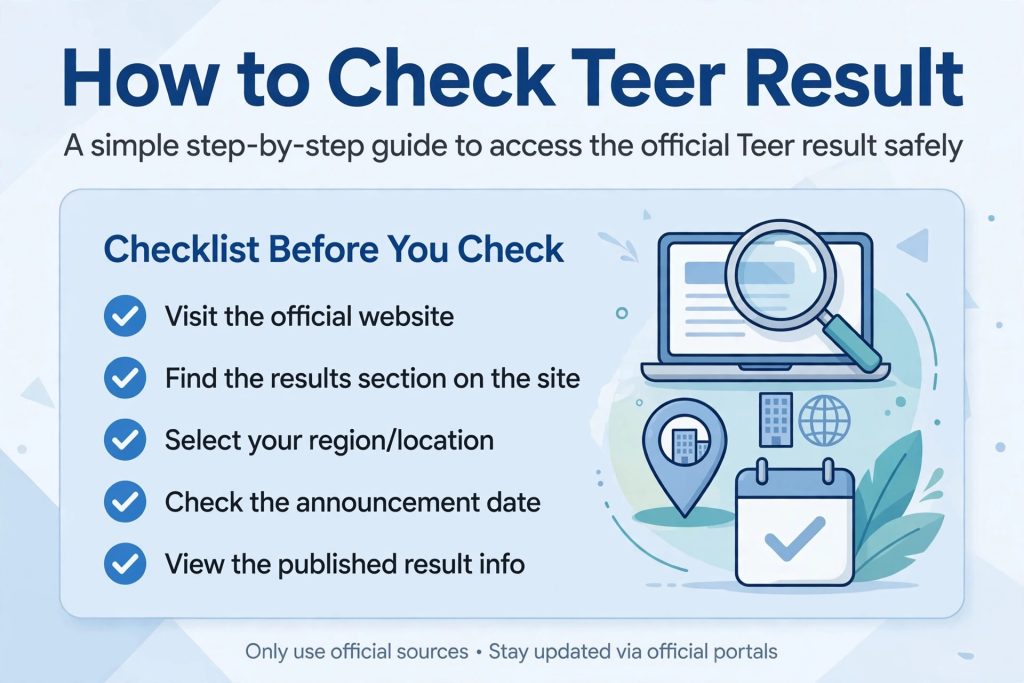
If you are wondering how to check teer result without confusion or wasted time, this guide is for you. Most beginners open random websites, guess which number belongs to which session, and close the tab still unsure. Daily followers do it differently. They use a fixed routine, a small set of trusted pages, and result lists that keep everything organized. In this article you will learn how to check teer result like an experienced user, from understanding the sessions to building a pro daily workflow that takes only a few minutes.
What Checking the Teer Result Actually Means
Teer is a legal archery based lottery game in Meghalaya, and the results come from real archery sessions held every working day. Archers shoot arrows at a target, officials count how many arrows hit, and the last two digits of that count become the winning number. Each market and each session therefore produces its own number, and knowing how to check teer result starts with knowing which sessions exist.
Every teer market runs two rounds per session. The first round is called FR and the second round is called SR. The FR number is declared after the first archery round finishes, and the SR number follows after the second round. The main markets are Shillong, Juwai and Khanapara. Shillong runs morning and day sessions plus a night session, Juwai runs morning and day sessions, and Khanapara runs morning and day sessions too. So on a full working day there are many separate numbers to track, which is exactly why a system matters more than memory.
A result number is always two digits, from 00 to 99. When you see a result written on a page, check three things before anything else: the market name, the session name, and the round. A number without these labels is useless. You can read a short background on the game on the Teer Wikipedia page if you want the wider picture, and you can confirm the legal status of the game through the Meghalaya government portal.
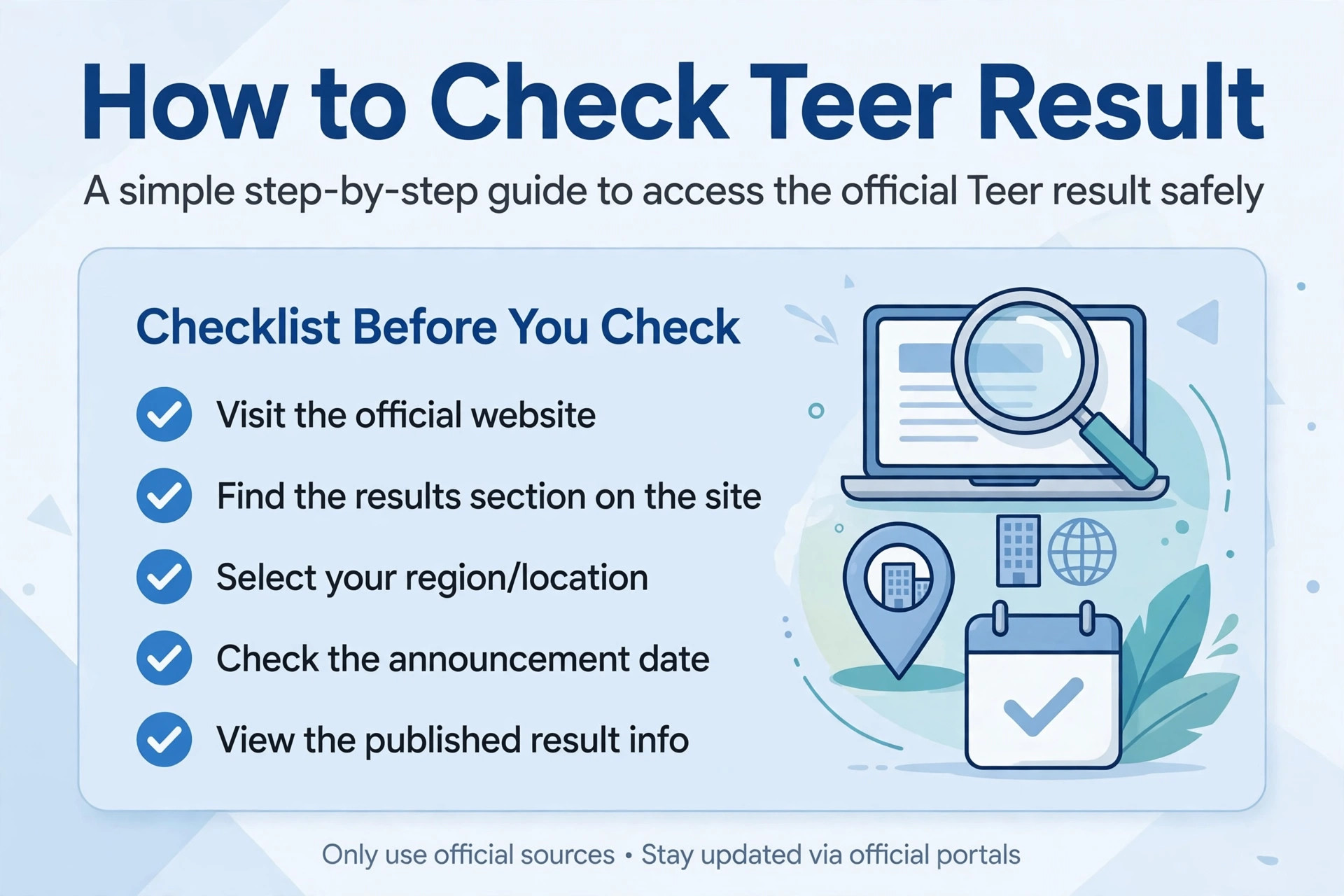
How to Check Teer Result Step by Step
Here is the core routine. Follow it once and every later check becomes second nature.
Step 1 – Pick One Trusted Result Site
Open a single result website and stick with it. Experienced checkers do not hop between ten sites because every switch adds confusion about which page showed what. Use the Pro Teer Result homepage as your daily starting point. It is built to show the latest numbers for every market and session in one place, so one bookmark covers your whole day.
Step 2 – Confirm the Date on the Page
Before reading any number, confirm that the page shows today as the date. Result pages update through the day, and a cached or stale page can show yesterday as numbers. If the date does not match today, refresh the page. This one habit removes most of the mistakes beginners make when they learn how to check teer result.
Step 3 – Identify the Session You Want
Decide whether you need the morning session, an afternoon session, or the evening session. Each market has its own session pages for detail, for example the Shillong teer result page for everything Shillong, and similar pages for other markets. Checking by session instead of scrolling a mixed page keeps you from reading the Juwai number while thinking it is Shillong.
Step 4 – Read the FR Number First
The first round number is always declared before the second round number. Read FR first, note it down, and then move to SR. Reading in the declared order matters because some pages update live and the SR column may still show the previous session while FR is already fresh. Order protects you from mixing old and new numbers.
Step 5 – Read the SR Number
Once the second round is declared, read the SR number the same way. FR and SR are independent results, so treat them as two separate pieces of information even though they sit side by side on the page. If SR is not declared yet, do not assume it will match FR or any pattern. Wait for the official update.
Step 6 – Cross Check the Round Labels
Look at the FR and SR labels next to each number one more time. Fast pages can misalign columns on small phone screens, and the number you think is SR might be sitting under the FR heading after a layout shift. A two second label check is the professional move that separates a careful reader from a careless one.
Step 7 – Note Down or Save the Number
Write the number down with its market, session, round and date. A quick note like “Shillong day FR, today” takes five seconds and saves you from rechecking the page later. Daily checkers who skip this step end up reloading the site three times for the same number.
Build Your Daily Pro Routine for Checking Teer Results
Knowing how to check teer result once is easy. Doing it cleanly every single day is the skill. A pro routine has three fixed moments in the day and nothing more.
The Morning Check
Start with the morning sessions of Shillong, Juwai and Khanapara. These are declared in the morning, one after another, and each market has its own FR and SR. Open your bookmarked result page, read each market in turn, and note the numbers. Keep this check tight: morning sessions first, then close the tab. Mixing morning numbers with afternoon numbers later is the most common source of confusion.
The Afternoon Check
The afternoon brings the main day sessions. Shillong, Juwai and Khanapara each declare their FR and SR during the afternoon. Because these are the most followed sessions of the day, many checkers read them twice, once when each round is declared and once at the end of the afternoon to confirm both rounds. Use the teer result list page for this confirmation pass, since it shows every market and round in one organized view.
The Evening Wrap Up
Finish the day with the evening sessions, including Shillong night teer. The wrap up check is short: confirm the evening FR and SR, then glance back over the day to make sure every session you follow has both rounds recorded. If any session shows a dash or is missing a round, note it as pending and check once more later rather than guessing.
The whole routine takes a few minutes per session block. The point is not speed for its own sake. The point is that a fixed routine removes decisions, and removing decisions removes errors.
How to Check Teer Result Across Multiple Days
Daily checkers often need more than today. Maybe you missed the afternoon check, or you want to compare this week with last week. This is where result lists and archives do the heavy lifting, and learning how to check teer result across days is what turns a casual reader into a serious follower.
A result list page organizes numbers by date, with columns for each market and each round. Instead of scrolling through old posts or guessing from memory, you open the list, find the date row you need, and read across. The teer result list page is the tool for this job on this site. Bookmark it next to the homepage so today and history are always one tap apart.
When you use an archive, keep three habits. First, always read the date row header before the numbers, because one row up or down is a different day entirely. Second, remember that each market keeps its own column, so do not read across into a neighboring market by accident. Third, treat every archived number as final. Archives show declared results, not live updates, so if a number differs from what you remember seeing during the day, the archive is the record to trust.
Pro tip: if you check results across many days regularly, save a short personal log with date, market, session, FR and SR. Over a month this log becomes more useful than any archive because it holds exactly the sessions you follow and nothing else. You can verify any entry against the public list whenever you want.
Tracking Which Sessions You Follow
Not everyone follows every session. Some people track only Shillong, some track only the morning markets, and some follow all of them. The pro move is to decide your personal set once and check only that set every day. This keeps the routine short and the attention focused.
Start by listing the markets you care about: Shillong, Juwai, Khanapara, or all three. Then list the sessions within each market: morning, afternoon, evening. That gives you a clear grid, for example Shillong morning FR and SR, or all three markets in the afternoon. Write this grid down once. From then on, your daily routine is simply to fill in that grid, nothing more.
For each session in your grid, decide how you want to be reminded. Some checkers set a phone alarm for each session block so the check happens at the same moment daily. Others keep the result page open in a browser tab and refresh it at fixed points. Either way, the reminder should match the session rhythm, not your mood. Consistency beats enthusiasm.
Finally, review your grid once a month. If you added sessions you never actually read, drop them. If you keep looking up a market that is not in your grid, add it. A tracking list that matches your real behavior stays useful. A bloated list gets ignored, and then you are back to random checking.
Reading a Result History Page Like a Pro
A history page shows many days of results at once, and reading it well is a specific skill. Start from the top, which is usually the most recent date, and work downward. Each row is one day. Each row has the market columns, and inside those, the FR and SR values.
Scan vertically first. Reading down a single column, for example Shillong day FR across two weeks, shows you the rhythm of that one result stream. Scan horizontally second. Reading across one row shows you how all markets behaved on the same day. Beginners always read randomly; pros read one axis at a time.
Look for completeness, not patterns. A pro reader checks whether every cell in their session set is filled, because a missing cell means a session was not declared or not recorded. What the reader does NOT do is hunt for lucky sequences. Teer numbers come from live archery, each day is independent, and past numbers do not influence future ones. Use history for record keeping, never for prediction. This site publishes no common numbers, hit numbers or target tips, and you should treat any site offering them with caution.
If a history cell shows a dash instead of a number, read it as “not declared or not available” rather than zero. A dash is a placeholder, not a result. Writing it down as a number would corrupt your personal log.

Common Mistakes When You Check Teer Result Online
Even experienced checkers slip up. Here are the mistakes to watch for once you know how to check teer result, so you can avoid repeating them.
The first mistake is reading the wrong date. Stale pages, cached tabs and yesterday news posts all show old numbers with full confidence. Always confirm the date before trusting a number.
The second mistake is mixing markets. Shillong, Juwai and Khanapara numbers look identical as bare digits, so a number copied without its market label is a number you cannot use. Always carry the market name with the number.
The third mistake is mixing rounds. FR and SR sit side by side, and on narrow phone screens the columns can shift. Always confirm the round label matches the number you are reading.
The fourth mistake is trusting screenshots. Numbers shared in chat groups and social media are often cropped, outdated or edited. A screenshot has no date context and no source you can verify. Always recheck the number on a real result page before acting on it.
The fifth mistake is checking too early and assuming the page is final. If the SR column is still empty, the session is not complete. Wait for the declaration instead of filling the gap with a guess.
The sixth mistake is refreshing obsessively. Constant refreshing does not make results arrive faster, and it trains you to misread half loaded pages. Check at your fixed routine times and trust the process.
How to Check Teer Result on Phone vs Desktop
Most daily checkers use a phone, and the routine works fine there with two adjustments. First, use the browser zoom or landscape mode when reading result lists, because wide tables get cramped on small screens and cramped tables cause the column mix ups described above. Second, keep only two bookmarks on the phone: the homepage and the result list page. Fewer bookmarks mean fewer wrong taps.
On a desktop, the advantage is screen space. You can keep the result list open in one tab and a market page in another, reading today in detail on one side and history on the other. This is the best setup for the evening wrap up, when you confirm the whole day at once. Desktop checking is also better for anyone maintaining a spreadsheet log, since copying numbers from a wide table is cleaner.
Whichever device you use, keep the routine identical. Same order, same pages, same note taking. Device changes should never change the process, because the process is what keeps the numbers trustworthy.
What to Do When a Result Is Delayed
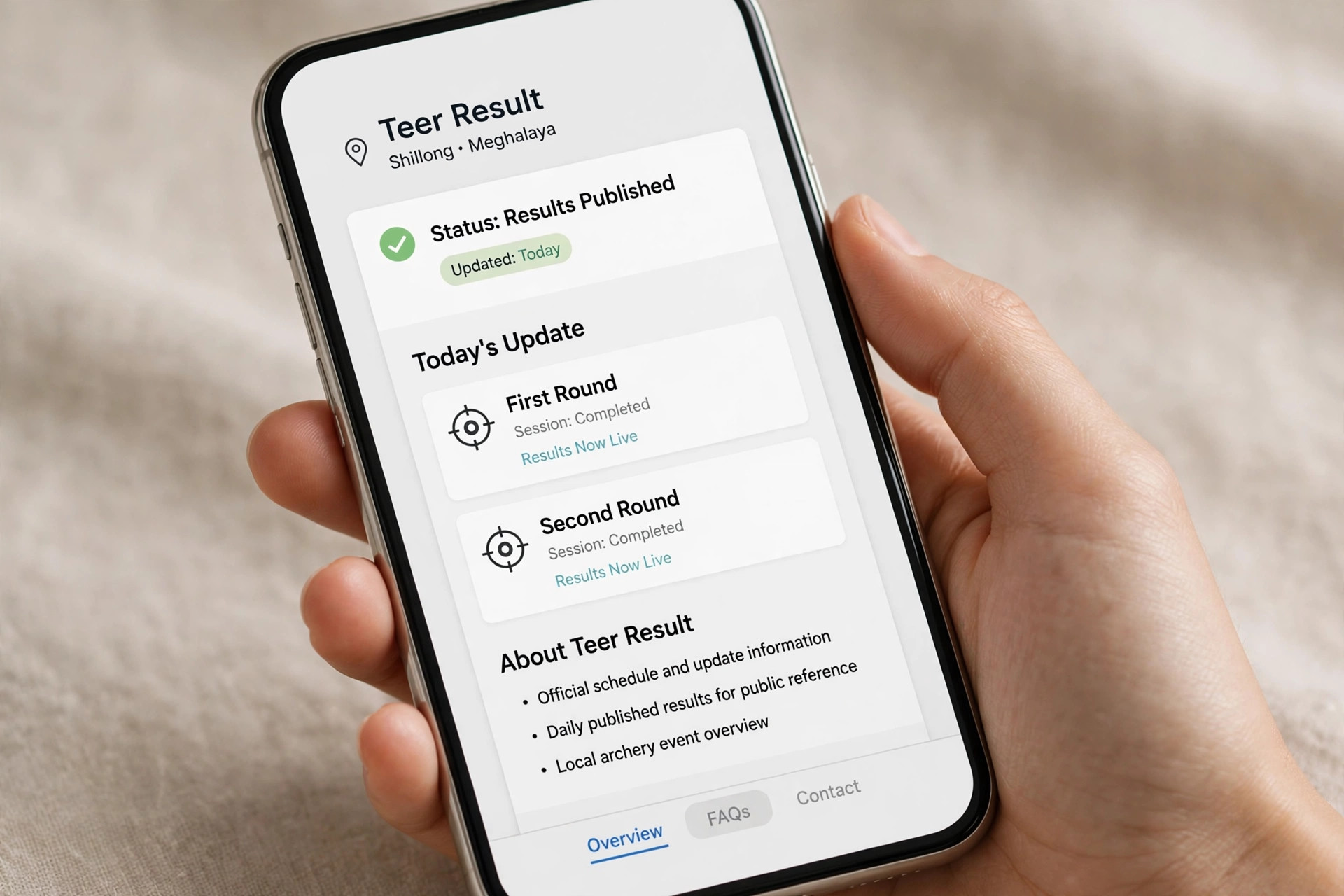
Sometimes a result does not appear at its usual moment. Sessions can run late for many real reasons: weather at the archery ground, technical issues, or an extended round. A delayed result is normal and temporary, and knowing how to check teer result during a delay keeps you calm.
First, do not assume the page is broken. Wait and refresh once after a reasonable gap. Second, check whether the delay affects one session or all sessions. If only one market is late while others are declared, the delay is specific to that session. If everything is pending, the whole schedule is running behind. Third, never fill a missing number from another source that claims to have it early. Unofficial early numbers are guesses, and acting on them is how people lose money on false information.
When the number finally appears, note it the same way as any other result, with market, session, round and date. Delays do not change the meaning of a result. They only change when you read it.
Frequently Asked Questions
How can I learn how to check teer result online for the first time?
Open a dedicated result site such as the Pro Teer Result homepage, confirm the page shows today as the date, pick the market and session you want, and read the FR number followed by the SR number. Note each number with its market, session and round. Repeat the same steps at your fixed daily times and checking becomes automatic within a few days.
What is the difference between FR and SR in a teer result?
FR is the first round result and SR is the second round result of the same session. They come from two separate archery rounds, so they are two independent numbers. Always read them as a pair with their labels, and never treat one as a substitute for the other.
Which sessions should I check each day?
That depends on what you follow. Shillong has morning, day and night sessions, while Juwai and Khanapara have morning and day sessions. Pick the markets and sessions you care about, write them down once as your personal grid, and check exactly that set every day. Fewer sessions checked carefully beats many sessions checked carelessly.
Where can I find teer results from previous days?
Use a result list or archive page, which organizes numbers by date with columns for each market and round. Read the date row header first, then read down one column at a time for a single result stream or across one row for a full day view. Your own daily log works as a personal archive for exactly the sessions you follow.
Why is the SR number sometimes missing when FR is already shown?
Because the second round is declared after the first round finishes. The page updates in two steps, so an empty SR column simply means the second round has not been declared yet. Wait for the official update instead of guessing the missing number.
Are teer results the same on every website?
The declared numbers are the same everywhere because they come from the same archery sessions, but websites differ in speed, layout and accuracy of labels. That is why experienced checkers pick one trusted site and use it consistently rather than comparing many sites for the same number.
Is it legal to check and play teer, and is there an age limit?
Teer is a legal lottery in Meghalaya, regulated under state law, and participation is for adults aged 18 and above only. Checking results online is simply reading published information. If you play, do so responsibly and only with money you can afford to lose. If you need help with gambling habits, seek support from a responsible gaming helpline in your region.

Conclusion
Learning how to check teer result like a pro is not about finding secret sources or faster websites. It is about a fixed routine, one trusted set of pages, and the discipline to read market, session, round and date every single time. Pick your sessions, bookmark the homepage and the result list, check at your three daily moments, and keep a short log. Do that for two weeks and the whole process will feel effortless. If anything on this site ever looks unclear, you can reach out through the contact page and we will help you read the results correctly.