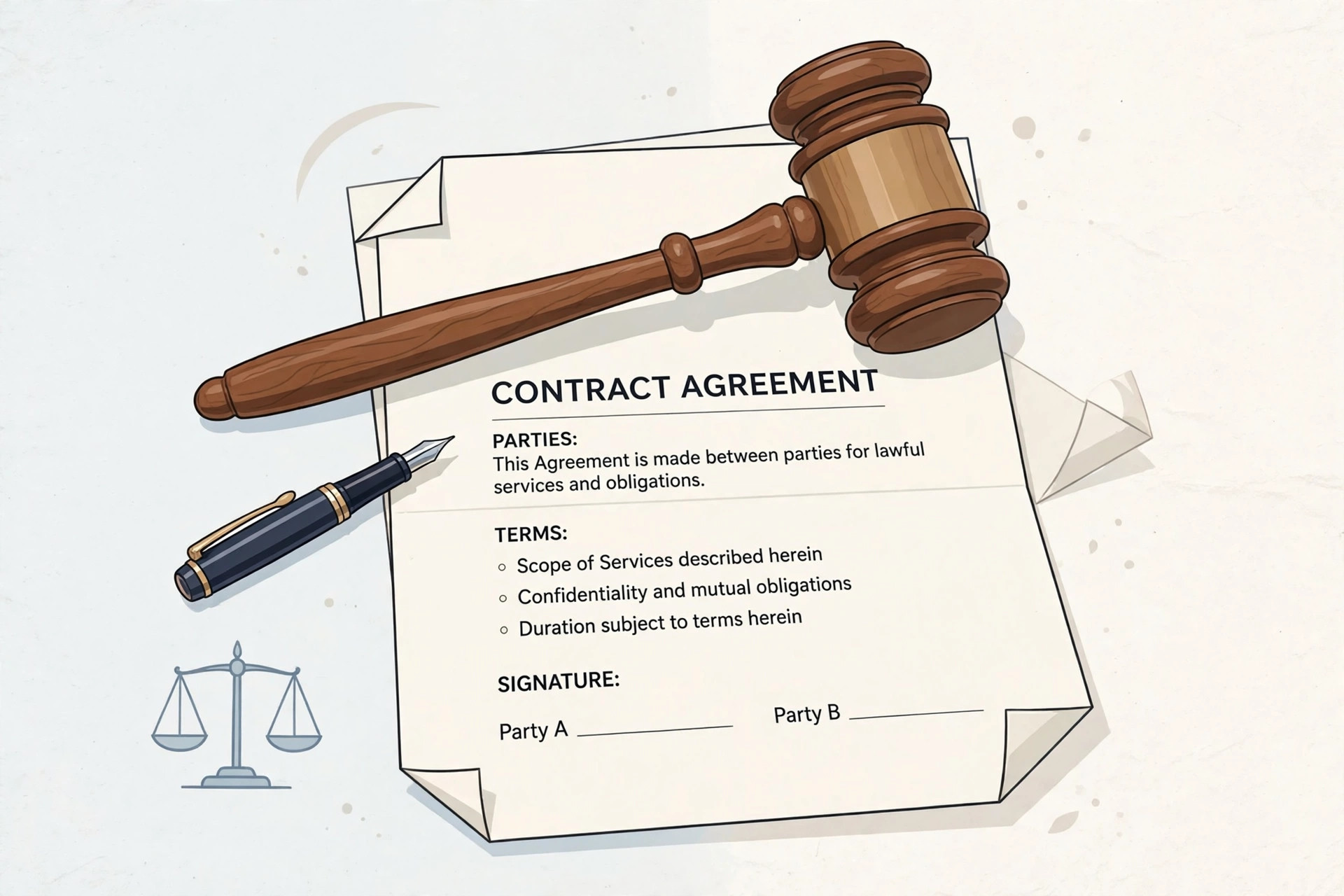

Most winners think about the claim counter and stop there. Smart winners think one step further: the tax office and the law. If you want to understand how to claim teer prize money completely, from ticket to tax return, this guide covers the full practical process step by step, the legal foundation of teer, how winnings are taxed in India, which documents protect you, the deadlines you must respect, and the rights you hold as a winner. Read it before you spend a rupee of your prize.
A note before we begin: this article explains general principles for information only. It is not tax or legal advice. Tax rules change, thresholds move, and individual situations differ. For a large prize, speak to a chartered accountant or tax professional who can apply current law to your exact case.

How to Claim Teer Prize – The Legal Foundation
Teer is not an underground game. It is a legal archery based lottery conducted in Meghalaya under state regulation, organised in Shillong by the Khasi Hills Archery Sports Association and by authorised bodies in Juwai, Khanapara, and Jowai. State governments in India have the constitutional power to organise and regulate lotteries, and Meghalaya exercises that power for teer. This legal status is what makes your prize legitimate income rather than shady proceeds, and it is also what brings tax law into the picture.
The Lotteries (Regulation) Act of 1998 gives state governments the authority to organise, conduct, and promote lotteries subject to central guidelines, and broader information about how lotteries are regulated in India is summarised on Wikipedia’s lotteries in India page. Meghalaya’s teer falls squarely inside this framework, which is why claims go through official offices with forms and receipts instead of informal handshakes.
Because the game is legal and regulated, the claim process is an official procedure with records, forms, and receipts. Those records serve two masters: they prove your win to the organiser, and they document your income to the tax authorities. Understanding both sides keeps you fully compliant. A win that is never claimed properly creates no proof of income, and a win claimed through unofficial channels creates proof nobody trusts.
Is Teer Legal – What the Law Says
Yes. Teer operates legally in Meghalaya under the state’s lottery and amusement regulations. The game has deep roots in Khasi archery tradition and has been conducted in organised form for decades, with the Khasi Hills Archery Sports Association overseeing the Shillong game. Tickets are sold only through authorised counters, draws follow a fixed schedule with Sundays generally off, and results are declared publicly for the morning, afternoon, and evening sessions.
This matters for winners in a practical way. A legal win claimed through official channels creates clean documentation. An undocumented win, or a ticket bought from an unauthorised seller, creates problems nobody can fix later. Always play through authorised counters, because legality at the buying stage determines smoothness at the claiming stage. Official information on the state’s regulated activities is published on the Meghalaya government portal.
One more point matters here. Teer tickets are sold only within the areas where the game is authorised. Buying or claiming outside those areas can put you in a grey zone even when the game itself is legal. Keep your purchase and your claim inside the authorised network and you stay on firm legal ground from start to finish.
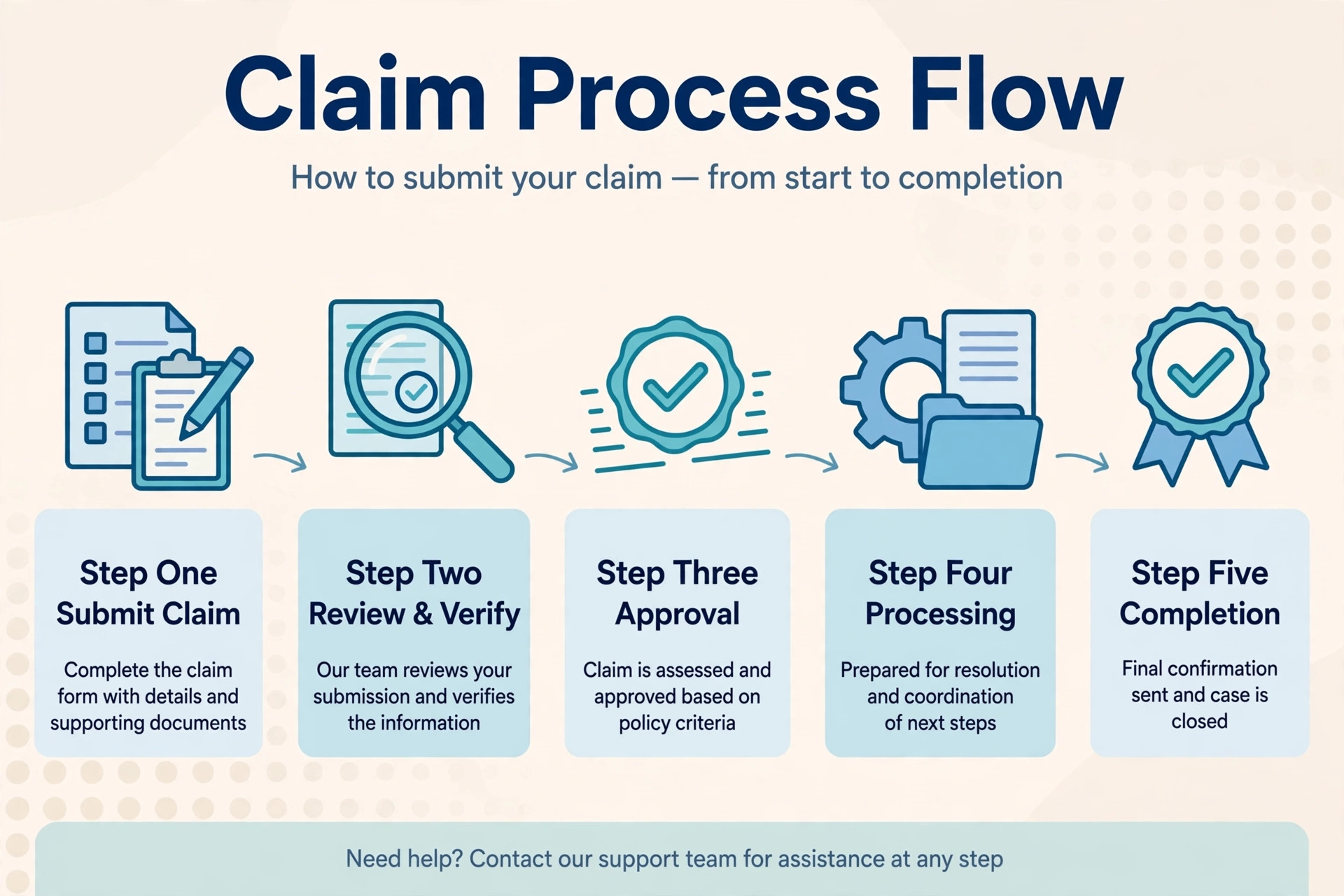
How to Claim Teer Prize – Step by Step Process
The actual claiming process is straightforward, but each step has details that first time winners often get wrong. Work through them in order.
Step 1 – Confirm your win carefully
Before anything else, verify the declared result for the correct session and round. Teer runs a first round and a second round each session, and the morning, afternoon, and evening sessions each have their own draws. A number that wins the first round does not win the second, and a morning session number does not apply to the afternoon session. Check the date on the ticket against the date of the result. The Pro Teer Result homepage publishes declared results session by session, and the teer result list archive lets you confirm older draws by date. Cross check with at least one more public source before you travel to a counter, because showing up with a wrongly matched ticket wastes your day and risks damaging the ticket.
Step 2 – Protect the ticket immediately
The ticket is a bearer style document in practice. Whoever holds a valid winning ticket can usually claim it, which means losing it can mean losing the prize. The moment you confirm a win, photograph both sides of the ticket in clear light, store the images in at least two places such as your phone and a cloud backup, and then keep the original ticket flat and dry. Do not laminate it, do not staple anything to it, and do not write extra marks on it, since damage can complicate verification. If the ticket has a serial number, note it separately in writing.
Step 3 – Claim within the deadline
Prizes must be claimed inside the official claim window. Organisers set a limited period after the draw date for claims, and a ticket presented after the window closes will not be honoured. This is the single most common way winners lose money: they celebrate, delay, misplace the ticket, and only return when the window has shut. Confirm the current claim window from the counter or the organising body when you buy the ticket, write the deadline on the ticket envelope, and treat it as fixed.
Step 4 – Visit the authorised counter or office
Small prizes are usually paid at the counter where the ticket was purchased or at any authorised payout counter. Larger prizes generally require a visit to the organising office with the completed claim form. Ask the counter staff where your prize tier is paid before assuming anything. Bring the original ticket, a government issued photo ID, and your PAN card. For larger amounts the office will ask for the PAN as a matter of course, so having it ready speeds everything up.
Step 5 – Complete verification and paperwork
The office will examine the ticket for authenticity, match its serial details against sales records, and confirm that the claim is within the window. You will fill in a claim form with your name, address, ticket details, and bank or payment information. Read every line before signing. Ask for a copy or at least a photograph of the submitted form, since this is part of your permanent claim file. If tax is deducted at source on a large prize, the office will record your PAN for the TDS certificate that follows.
Step 6 – Receive payment and collect receipts
Payment may be made in cash, by bank transfer, or by cheque depending on the prize size and the office’s procedure. Count cash payments on the spot before leaving the counter. For transfers, confirm which account the money will reach and the expected timeline. Always collect a payment receipt that shows the date, the ticket details, the gross prize, any tax deducted, and the net amount paid. Never leave without written proof of payment. This receipt is the anchor document of your tax file.
Tax on Teer Winnings – The Framework
Here is the part most winners overlook until it is too late. Money won from lotteries is income, and the Income Tax Act of India treats it as such.
Winnings as taxable income
Lottery winnings fall under a special provision of Indian tax law that taxes them at a flat rate, separate from your salary or business income slabs. Under the rules as they have long stood, winnings from lotteries are taxed at 30 percent plus applicable surcharge and cess. This is not a slab benefit situation. The flat rate applies regardless of your total income level. Because rates and thresholds can change with Finance Acts, confirm the current figures with a professional before filing.
The flat rate has a practical consequence many winners miss. If your regular income puts you in a low slab, the winnings do not get that slab benefit. They are taxed on their own at the special rate, on top of everything else. Budget for this before you plan how to use the money, so a tax bill next year does not arrive as a shock.
TDS on large prizes
For prizes above the legal threshold, the payer must deduct tax at source before handing you the money. This is called TDS, and it means a large teer prize may arrive with a portion already withheld and deposited with the government against your PAN. You receive a TDS certificate for the deducted amount, which you adjust when filing your return. Smaller prizes below the threshold are typically paid in full, but they remain taxable income that you should report.
Watch for one detail: the TDS rate and the threshold can be revised by the Finance Act in any year. The organiser deducts according to the rules in force on the payment date, which may differ from what you read online last year. Ask the payout office for the current deduction rate and keep their written statement with your records. When your TDS certificate arrives, usually as Form 16A, check that the amount deducted matches what was withheld from your prize. Mismatches are fixable but only if you catch them early.
Multiple wins across the year
If you win more than once in a financial year, each win is taxed separately under the same provision, and the totals add up in your return. Keep one running file for the whole year rather than scattering documents across separate envelopes. When TDS has been deducted on some wins but not others, your return reconciles all of them together, and the certificates make that reconciliation clean.
How to Claim Teer Prize Winnings and Stay Tax Compliant
Compliance is mostly about paperwork discipline. Follow these practices from the day you win.
Records you must keep
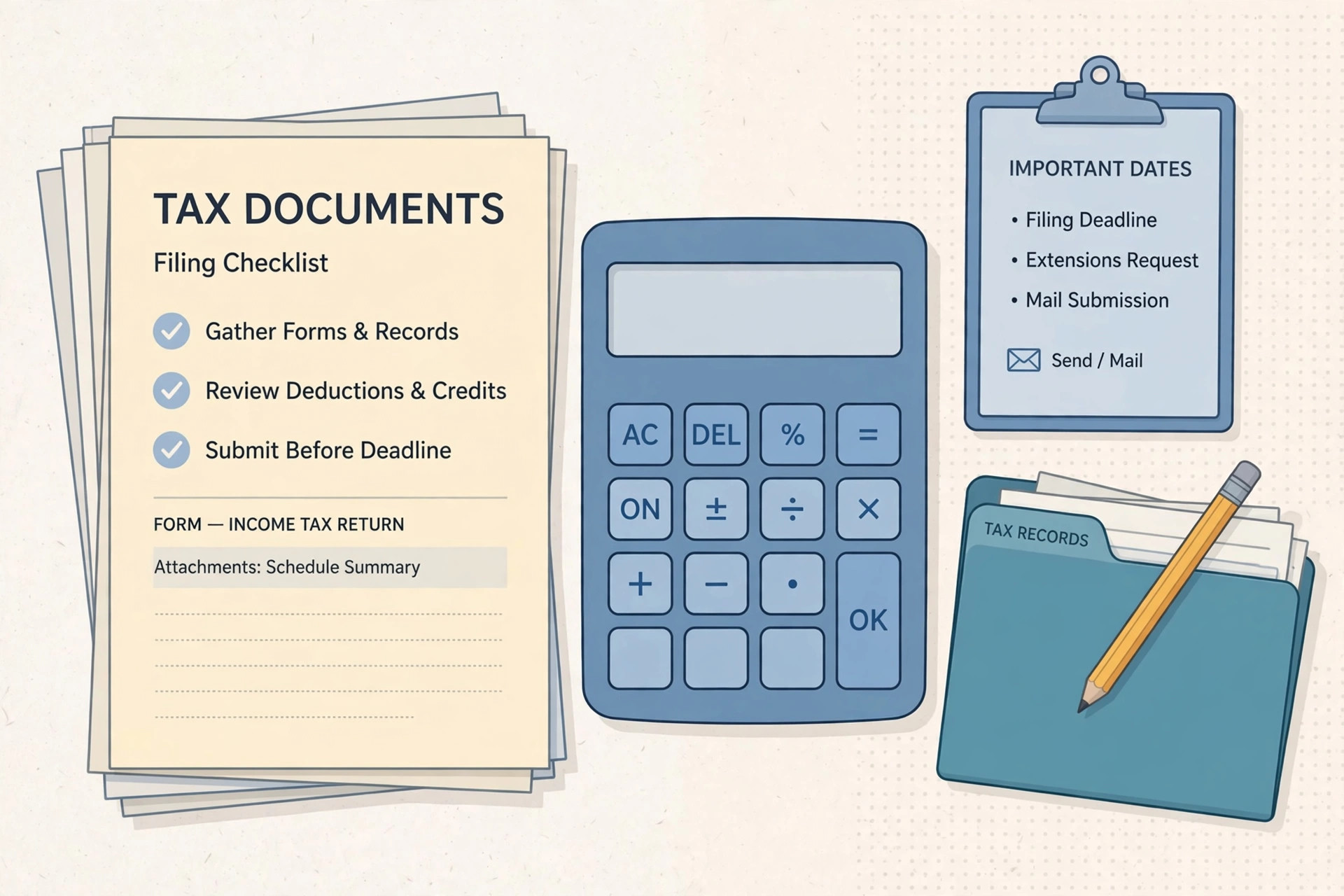
Keep the original ticket or clear photographs of both sides, the filled claim form copy if the office provides one, the payment receipt showing date, ticket details, and amount, and the TDS certificate if tax was deducted. Store these for at least until the relevant tax assessment year is closed, which in practice means several years. Digital backups in cloud storage plus one physical file is a sensible combination.
Organise the file by financial year, not by draw date, because your tax return works in financial years. A simple folder per year with subfolders for tickets, receipts, and TDS certificates takes ten minutes to set up and saves hours at filing time. If you claim at different counters or for different markets such as the Shillong Teer result or the Khanapara Teer result sessions, keep each claim’s papers together but filed under the same year.
Reporting in your return
Report lottery winnings in the appropriate schedule of your income tax return for the year you received them. Do not mix them with salary or business income. If TDS was deducted, claim credit for it with the certificate as proof. If no TDS was deducted because the prize was below the threshold, the income is still reportable. Your chartered accountant will know exactly where it goes, which is another reason to involve one early for significant wins.
One more discipline: report the win in the year you received the money, even if the draw happened near the end of the previous financial year. The receipt date controls the reporting year. If a prize straddles the March to April boundary, confirm the correct year with your accountant rather than guessing.

Legal Rights of Winners
A winner dealing with official channels holds clear rights. Knowing them helps you stay calm if anything goes off track.
Right to timely payment
Once your ticket is verified as genuine within the claim window, you are entitled to the prize as per the official payout chart. The organiser cannot arbitrarily reduce the amount or refuse payment on a valid claim. If a counter delays without reason, you have the right to ask for the reason in writing and to escalate to the organising body.
Right to a receipt and proper documentation
Every official claim should generate written proof: a stamped claim form copy, a payment receipt, and a TDS certificate where tax was deducted. These are not favours the office does for you. They are your right as a claimant and your shield in any later question from tax authorities. If a counter resists issuing receipts, treat that as a warning sign and escalate.
What to do in disputes
If a genuine claim is disputed, do not argue at the counter. Collect names, dates, and copies of everything, including your ticket photographs, claim form, and any written communication. Write a formal complaint to the organising body describing the facts in order. Keep copies of the complaint and any response. For significant amounts, legal counsel can advise on further steps under consumer and contract law. The paper trail you built from day one is what makes any dispute winnable.
Stay factual and chronological in every written complaint. State the draw date, the session, the round, the ticket serial number, the date you presented the claim, and the names of the staff you dealt with. Emotion weakens complaints; precise facts strengthen them. Send complaints in a way that leaves proof of delivery, and note down every response date.
Common Mistakes Winners Make When Claiming
Experience shows the same errors repeat. Avoid each of these.
First, waiting too long. Winners postpone the trip to the counter and discover the claim window has closed. Claim promptly, ideally within days of the draw. Second, damaging the ticket. Folding it into a wallet for weeks, getting it wet, or scribbling on it can all complicate verification. Third, telling too many people. Public knowledge of a win invites requests, scams, and pressure that cloud your judgment. Keep the circle small until the money is claimed and secured.
Fourth, spending before claiming. Some winners mentally spend the prize and even borrow against it before the money is in hand. Until the payment receipt is in your file, the prize is a possibility, not cash. Fifth, ignoring tax until filing season. By then, documents are lost and TDS certificates are missing. Build the tax file on claim day. Sixth, trusting unofficial helpers. Anyone offering to claim the prize on your behalf for a fee is a risk you do not need. The official process is designed for winners to complete themselves.
When to Consult a Professional
Not every win needs an accountant. A small prize claimed and spent is a simple affair. Bring in professional help when the prize is large enough that tax becomes material, when TDS has been deducted and you need to claim credit, when you plan to invest the winnings and want to understand the tax on the growth, or when any dispute arises with a counter or organiser. A single consultation early costs far less than a tax notice later.
Choose a professional who understands lottery and windfall taxation, and bring your full claim file to the first meeting. The better your records, the better the advice. Ask specifically about the current flat rate, surcharge, and cess for the assessment year, the exact schedule in the return where winnings belong, and whether advance tax applies if the win arrives late in the financial year. These three questions cover most of what a winner needs.
Common Legal Myths About Teer Winnings
Myth one: small winnings are tax free. They may escape TDS, but they remain taxable income in principle. Myth two: cash prizes leave no trail. Official claims create receipts and records whether the payment is cash or transfer. Myth three: you can gift the ticket to avoid tax. Transferring a winning ticket creates its own legal and tax questions and is not a planning strategy. Myth four: the organiser handles all your tax. The organiser deducts TDS where required, but reporting the income remains your responsibility.
Myth five: a photocopy works as well as the ticket. A copy helps you as a backup, but the office verifies the original. Treat the original as irreplaceable until the prize is paid. Myth six: you can claim anonymously. Official claims require identification, and large claims require PAN. There is no anonymous official claim. Myth seven: winnings from different sessions can be netted against ticket costs. Tax law generally taxes the gross winnings without deducting the cost of tickets purchased, so do not assume your spending offsets the income.
Frequently Asked Questions
Do I pay tax on every teer win, however small?
Lottery winnings are taxable income in India in principle, taxed at a flat rate separate from income slabs. Small prizes often fall below the TDS threshold and are paid in full, but the income technically remains reportable. Confirm your position with a tax professional.
What is TDS and when does it apply to teer prizes?
TDS is tax deducted at source by the payer on prizes above the legal threshold. The deducted amount is deposited against your PAN and you receive a certificate to claim credit when filing your return.
Which documents prove my win for tax purposes?
The winning ticket or its photographs, the claim form copy, the payment receipt with date and amount, and the TDS certificate if tax was deducted. Keep these until the relevant assessment year is closed.
Can the organiser refuse to pay a valid claim?
Not arbitrarily. A genuine ticket presented within the claim window entitles you to the chart prize. Unreasonable refusal can be escalated to the organising body in writing, with your full paper trail.
What happens if I miss the claim deadline?
In general, a prize claimed after the official window closes will not be honoured. This is why claiming promptly matters more than any other step. Mark the deadline the day you win.
Do I need a PAN card to claim a teer prize?
For larger prizes, yes, the office will require your PAN for TDS compliance. Even for smaller prizes, carrying a government photo ID and your PAN speeds up verification. Bring both to every claim.
Should I consult a CA for a medium sized prize?
It is wise whenever the amount is significant to you or TDS was deducted. A short consultation clarifies your filing position and prevents costly errors.
Where can I verify my winning numbers officially?
Check declared results on the Pro Teer Result homepage on draw day, and use the teer result list archive to confirm older draws by date.
Conclusion
Claiming a teer prize ends at the counter, but responsibility continues to the tax return. You now know how to claim teer prize money with full legal and tax clarity: confirm your win against the correct session and round, protect the ticket, claim inside the deadline through authorised channels, keep immaculate records, understand TDS and reporting, know your rights, and consult a professional for large wins. Teer is a legal lottery in Meghalaya for adults 18 and above, and a well documented win is a worry free win. Whether you track the Shillong Teer result or the Khanapara Teer result page, play responsibly and claim smartly.