
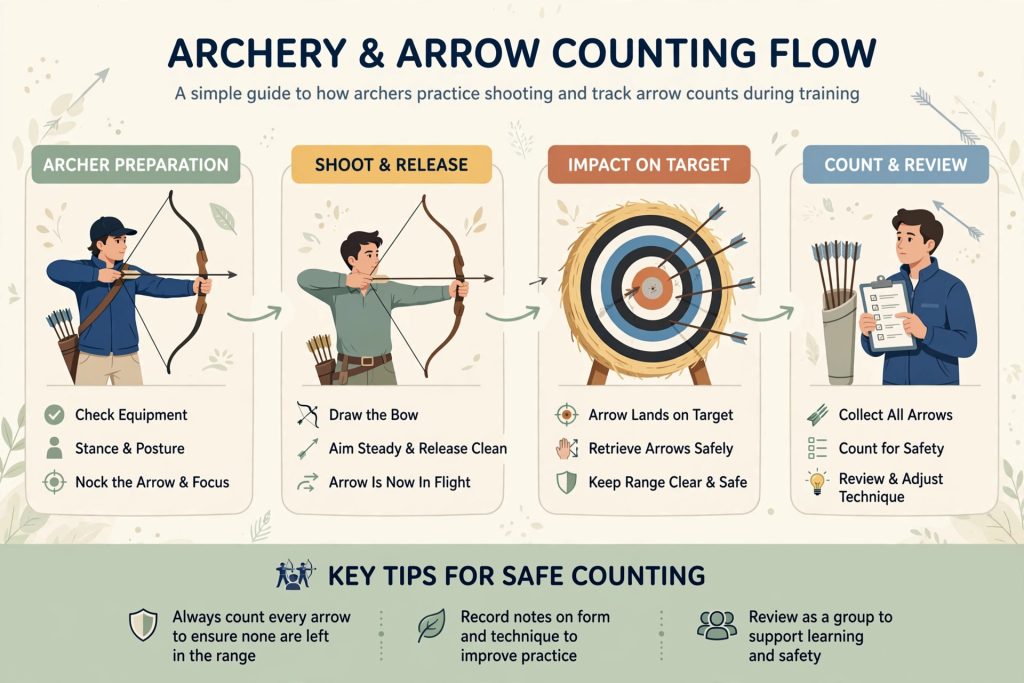
Long before the day’s work begins in Juwai, a town in the West Jaintia Hills of Meghalaya, the soft thud of arrows striking a target announces one of India’s most unusual lotteries. The juwai morning teer result is not produced by a machine, a computer program, or a televised ball draw. It is decided by real archers shooting real arrows at a real target, in the open air, in front of witnesses. When the shooting stops, officials count every arrow that struck the target, and the last two digits of that total become the winning number. This guide explains exactly how that happens, step by step, for readers who want to understand the morning session the way a professional understands it.
If you follow juwai morning teer, you already know there are two numbers to watch each day, one for the first round and one for the second. What most casual followers never learn is the machinery behind those numbers: who the archers are, what they shoot with, how the target is set up, how hundreds of arrows get counted accurately, and what rules stop anyone from tampering with the process. Morning teer juwai sessions follow the same traditional archery format that has defined this game for decades, and once you understand the format, the results stop looking mysterious and start looking like what they are: the honest output of a skill contest.
Inside the juwai morning teer result: how the morning archery round really works
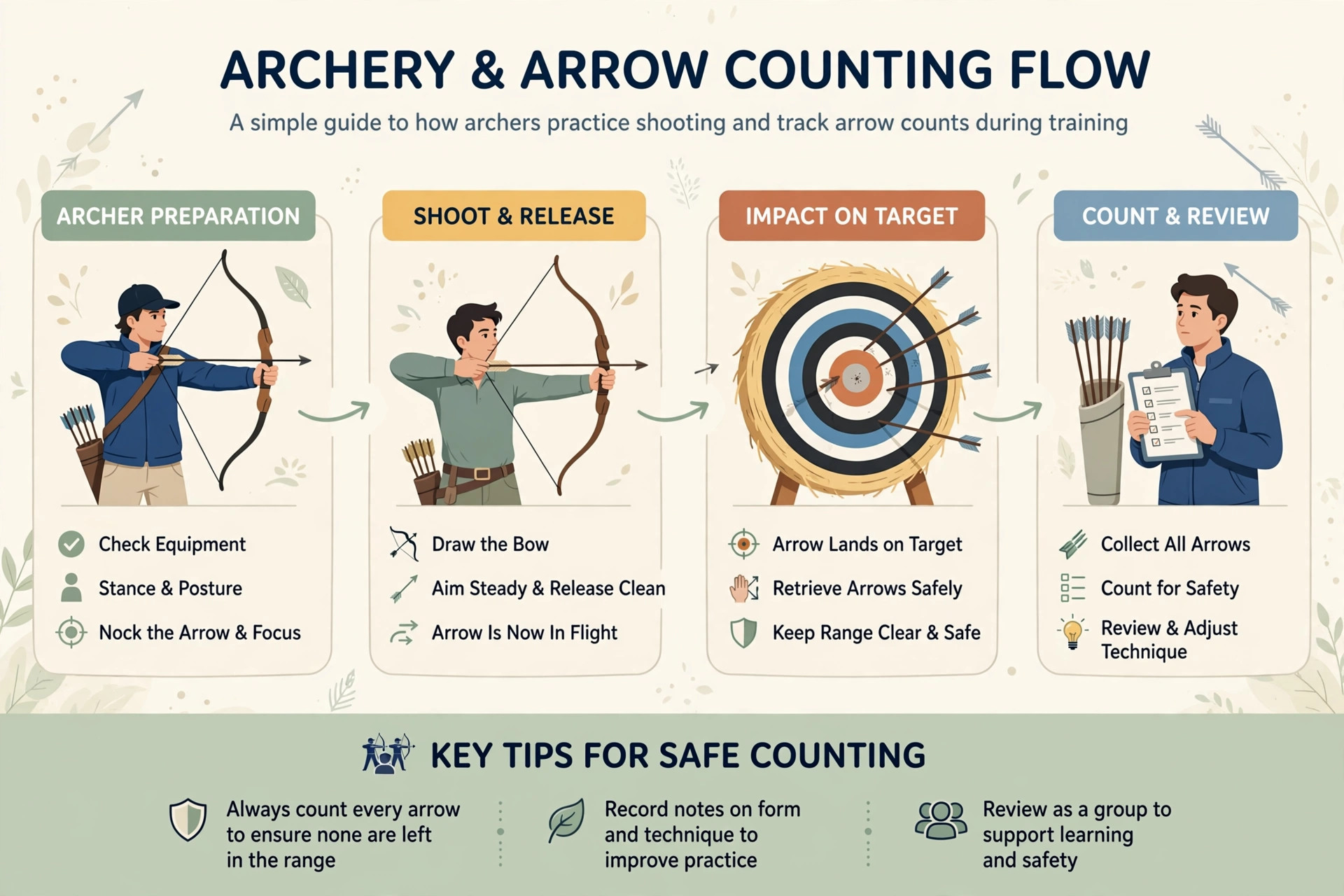
The morning session in Juwai is a complete teer event compressed into the early part of the day. A fixed squad of archers assembles at the shooting ground, the target is set at its measured mark, and the session runs through two full rounds of shooting and counting. Everything about the setup is deliberately low tech, and that is the point. Because the winning number comes from a physical count of physical arrows, there is nothing to hack, reprogram, or manipulate behind closed doors. Understanding the session means understanding three things: the archers, the target, and the ground they share.
The archers who shoot the morning session
Teer archers are not random volunteers pulled from the crowd. They are members of local archery clubs and associations who practice this specific discipline all year round. The bow is the traditional bamboo longbow of the region, not a modern compound bow with sights, stabilizers, and release aids, and the arrows are simple hand made shafts. Shooting instinctively at a small target from a fixed distance, with no sights to aim through, is a skill that takes years to develop, and the morning roster is made up of archers who have put in those years.
For each round, every archer on the roster shoots an allotted number of arrows. The allotment is fixed before the round begins and is identical for every archer in that round, which matters enormously for fairness: no archer gets extra shots, and no archer shoots fewer than anyone else. Archers shoot in rotation rather than all at once, so the shooting line stays orderly and the officials can observe every shot. Between the first and second rounds there is a short interval, during which archers rest, check their equipment, and prepare for the second round’s allotment. The rhythm of the morning is therefore shoot, count, pause, then shoot and count again.
The target and the shooting ground
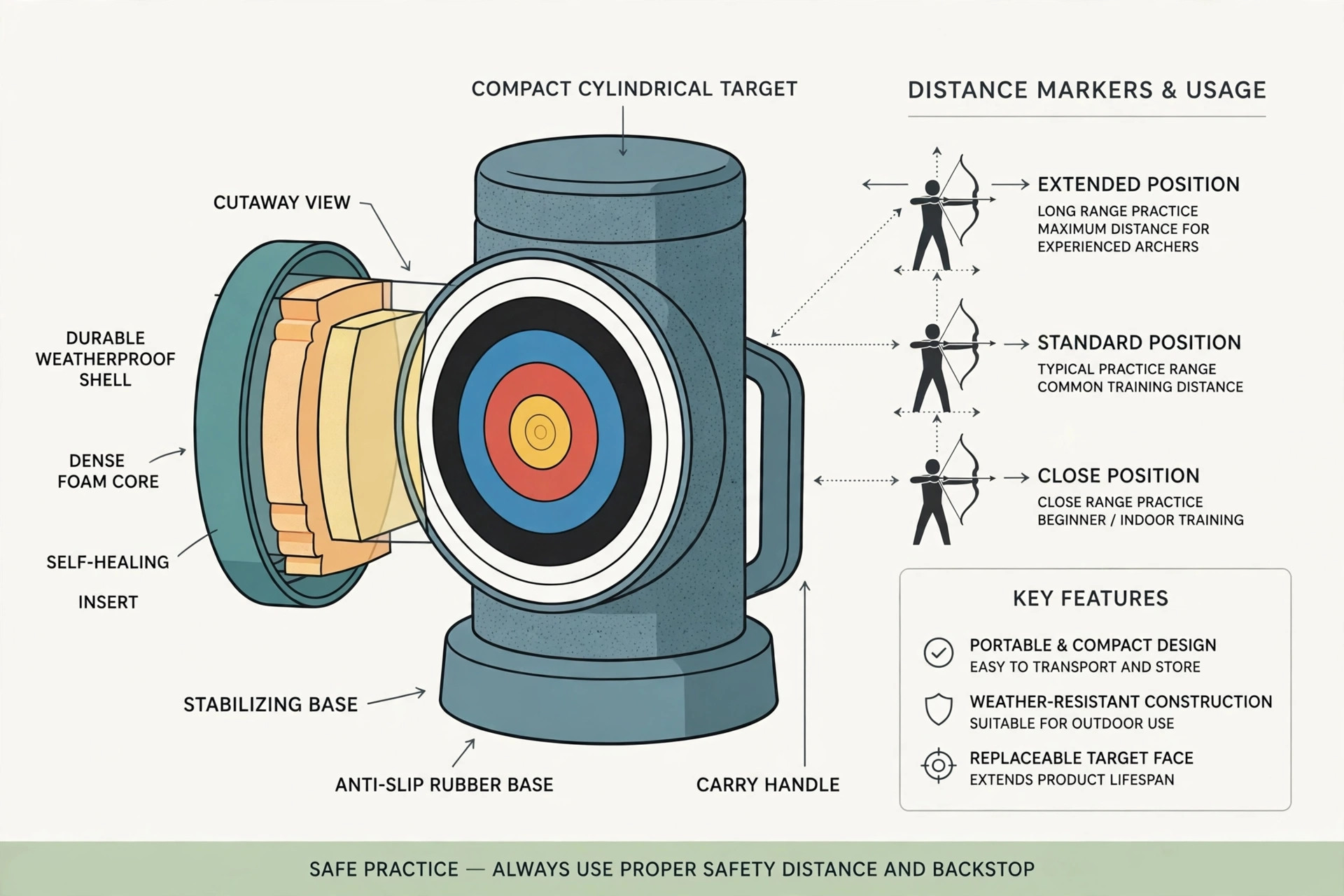
The target is small, deliberately so. It is a compact cylindrical bundle set upright on the ground, and hitting it from the shooting line without sights is genuinely difficult. That difficulty is part of the game’s design. If every arrow hit the target, the count would be predictable, and the lottery would have no uncertainty at all. The spread of hits and misses is what makes each day’s total different from the last, and it is the archers’ skill, expressed under pressure, that shapes that spread.
The distance between the shooting line and the target is fixed and measured. It does not change from day to day, from archer to archer, or from the first round to the second. The ground itself is laid out with clear zones: the shooting line where the archers stand, the open field the arrows cross, the target area, and spectator areas set well back behind barriers. Only archers, officials, and counters are allowed near the target during shooting and counting. This layout does two jobs at once. It keeps everyone safe, and it keeps the counting zone free of interference, so the tally that decides the juwai morning teer result is never in doubt.
How arrows are counted and turned into the juwai morning teer result
The transformation of flying arrows into a two digit winning number is the heart of the game. It happens in three phases: shooting, counting, and reduction to the last two digits. Each phase has its own discipline, and the result is only declared when all three are complete and verified.
Phase one: the shooting
When the round begins, the archers shoot their allotted arrows in rotation. An arrow only matters if it strikes the target and stays in it. Arrows that fall short, sail wide, or glance off do not count toward anything. This is the first filter in the system, and it is entirely physical: the target keeps what hits it, and the ground keeps the rest. Because every archer shoots the same number of arrows, the maximum possible total for the round is fixed in advance, but the actual total depends on how many arrows find the target on that particular morning. Wind, light, fatigue, and form all play a role, which is why the count varies from round to round and from day to day. No two mornings produce their totals in quite the same way.
Phase two: the counting
When the last archer has shot, the real precision work begins. Counting several hundred arrows embedded in a small target, accurately, in front of a watching crowd, is harder than it sounds, so the process is deliberately methodical:
Step 1 – The round is formally closed on the official’s signal. From that moment, no further arrows may be shot.
Step 2 – The counting team approaches the target together. Counters work in pairs or small groups so that every arrow is seen and confirmed by more than one person.
Step 3 – Each arrow lodged in the target is counted in sequence, and the running total is recorded openly where it can be witnessed.
Step 4 – The total is cross checked. If two counts disagree, the count is repeated until the counters agree on a single verified figure.
Only the verified total moves forward. This redundancy is the system’s quality control. A single miscounted arrow would change the last two digits and therefore the winning number, so the count is treated with the seriousness of a bank audit. Nothing is rushed, and nothing is estimated.
Phase three: the last two digits rule
Here is the elegant part of the design. The winning number is simply the last two digits of the verified arrow total. If the counters agree on a total, everything except the final two digits is discarded for result purposes. A total in the high hundreds and a total in the low thousands can therefore produce the same winning number, which is exactly why the result feels unpredictable. The winning digits are the remainder left over after hundreds of individual hits and misses have been tallied.
To see the format clearly, picture a results board showing the day’s figure as “-” (example only, not a real result). The “-” is a placeholder for the two digit winning number derived from the arrow count. Every published juwai morning teer result uses this two digit format, with one number for the first round and a separate number for the second round. Once you know that the number on the board is just the tail end of a real, witnessed arrow count, the whole game clicks into place.

First round vs second round: the two halves of the juwai morning teer result
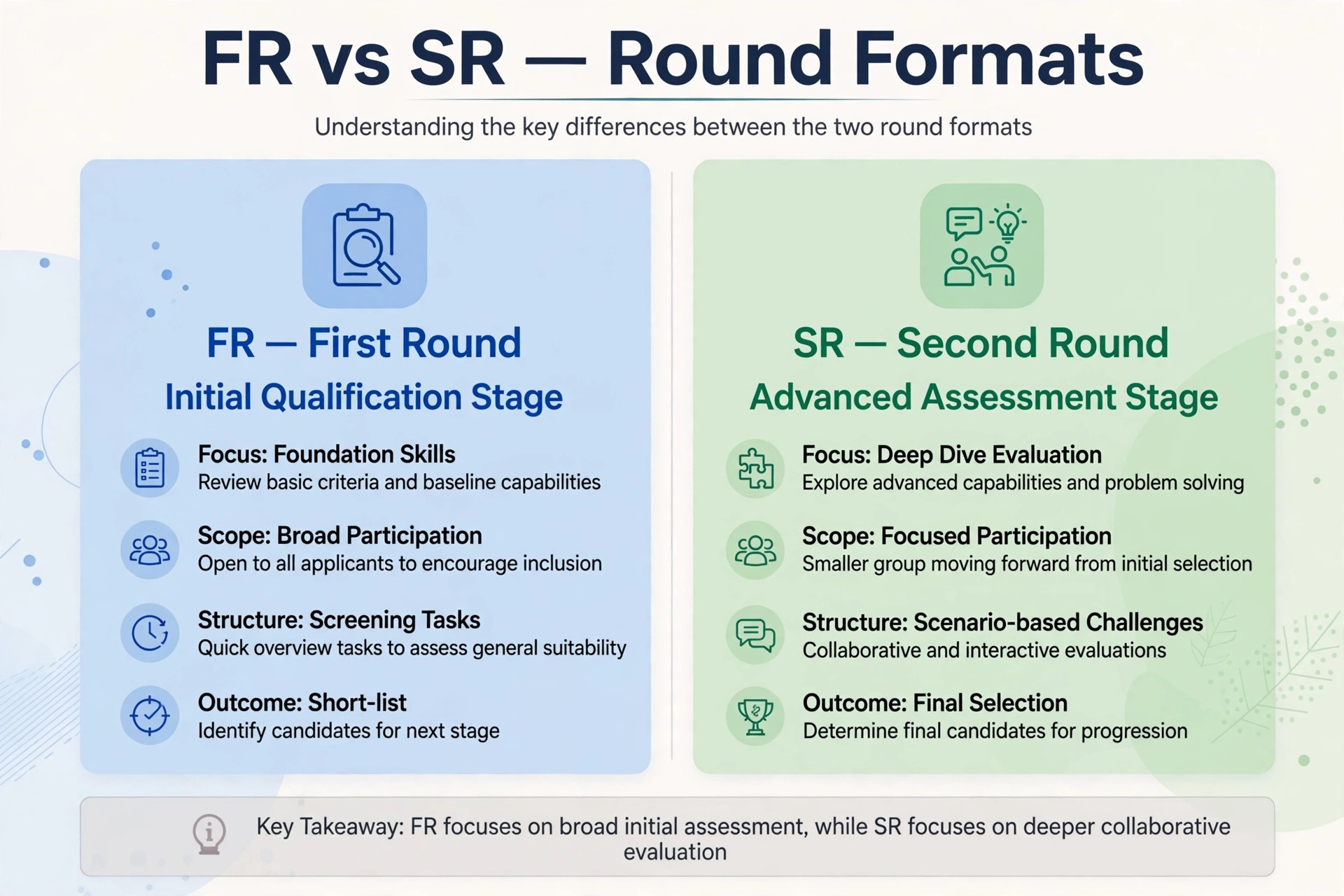
Each morning session produces two separate results, and understanding the difference between them is essential for anyone who follows the game seriously. The first round (FR) and the second round (SR) are independent contests with separate shooting, separate counting, and separate winning numbers. An entry for the first round has nothing to do with the second round’s outcome, and the two numbers are declared and recorded separately in every juwai morning teer list.
The first round (FR)
The first round opens the morning session. The full roster of archers shoots its allotted arrows, the counters do their meticulous work, and the day’s first winning number is declared. Traditionally, the first round involves the larger arrow allotment per archer, which means the arrow total being counted is larger and the counting phase takes longer. For followers of the game, the FR number is the first data point of the day. It is published as soon as the count is verified, and it sets the tone for the morning.
The second round (SR)
After a short interval, the session resumes for the second round. The same archers return to the line, but the arrow allotment per archer is smaller than in the first round. The shooting phase is quicker, the count is smaller, and the second winning number is declared sooner after shooting ends. The SR number is fully independent. It comes from a fresh round of shooting, not from any calculation based on the first round, and nothing carries over except the archers and the target. The officials run the same procedure, the counters apply the same cross checks, and the last two digits rule applies exactly as before.
Why the distinction matters for followers
Because the rounds are independent, serious followers track them separately. Archives and result lists always show FR and SR as distinct entries for each date, and mixing them up is one of the most common beginner mistakes. If you are checking the juwai morning teer result today, confirm which round each number belongs to before comparing it with anything else. You can follow both rounds, with their FR and SR numbers kept clearly separate, on the full teer result list. Keeping the two rounds distinct in your own records is a small habit that prevents a lot of confusion.
The rules that keep the juwai morning teer result fair
A lottery built on human skill needs human proof rules. The morning session in Juwai runs under a set of practical regulations, enforced by the organizing association and its officials, that protect the integrity of every round. Most of these rules are invisible to spectators, but they are the reason the result can be trusted day after day.
Standard equipment and a fixed distance
Every archer shoots with the same class of equipment: the traditional bamboo bow and simple arrows, with no sights, rangefinders, or mechanical aiming aids. Equipment is inspected before the session, and anything outside the traditional standard is not permitted on the shooting line. The shooting distance is fixed and measured before play begins, identical for every archer and unchanged between the first and second rounds. Standardizing the tools and the distance removes the two easiest ways to tilt a shooting contest, and it means the only variable left is the archer’s own skill on the day.
Rotation, supervision, and independent counting
Archers shoot in rotation under the eyes of session officials, and the counting is done by a separate team whose only job is the tally. The separation of roles matters: the people who shoot do not count, and the people who count do not shoot. Counts are performed openly, cross checked between counters, and only the agreed total is announced. Spectators and players are kept behind barriers, well away from the target area, so no one can interfere with the arrows or the count, deliberately or accidentally. Transparency is not a slogan here; it is the physical arrangement of the ground.
What happens when a round is disrupted
Outdoor archery is at the mercy of the weather and the occasional disruption. If a round cannot be completed, whether because of heavy rain, a safety issue, or any other interruption, the incomplete round does not produce a result. Only a round that is shot in full and counted in full counts toward the day’s numbers. This all or nothing rule is one of the strongest fairness guarantees in the game. There are no partial counts, no estimated totals, and no declared numbers from unfinished shooting. A missing number on a disrupted day is not an error; it is the system working as designed.
Teer operates as a legal, state regulated lottery in Meghalaya, and the official Meghalaya government portal is the authoritative source for how regulated activities are administered in the state. You can also read more about how this site publishes and verifies its result pages on the page about Pro Teer Result.

How to read and check the juwai morning teer result each day
Once you understand the mechanics, reading the result is simple. Each morning session yields two two digit numbers: the FR number and the SR number. They are published after each round’s count is verified, and they are archived by date so you can always look back at earlier mornings.
Reading the two digit format
Results are always shown as two digits. When you see a published figure, you are looking at the last two digits of that round’s verified arrow count, nothing more and nothing less. There is no bonus digit and no hidden multiplier to decode. The juwai teer morning result for any given date is simply the pair of FR and SR numbers produced by that morning’s two completed rounds.
Where the morning numbers are published
Morning numbers are announced at the ground first, then carried outward through the usual network of local counters, result publishers, and websites. If you want a clean and organized view, the dedicated Juwai teer result page keeps the morning session’s FR and SR numbers together with the rest of the day’s Juwai markets. You can also start from the Pro Teer Result homepage to navigate to any market or result list on the site. For the wider background of this archery lottery, including its history and cultural roots in the Khasi and Jaintia hills, the Teer article on Wikipedia is a solid starting point.
Frequently asked questions about the juwai morning teer result
What exactly is the juwai morning teer result?
It is the winning number, or more precisely the pair of numbers, declared after the morning archery session in Juwai, Meghalaya. Archers shoot arrows at a small target, officials count the arrows that hit, and the last two digits of the verified count become the result. There are two results each morning: one for the first round and one for the second round.
How many rounds make up the morning session?
Two: the first round (FR) and the second round (SR). Each round is a complete and independent cycle of shooting and counting, with its own winning number. The second round uses a smaller arrow allotment per archer than the first, but the shooting procedure, the counting discipline, and the last two digits rule are identical in both.
How is the winning number actually calculated?
There is no draw and no formula beyond counting. Officials count every arrow lodged in the target, cross check the total until the counters agree, and take the last two digits of that verified figure. That two digit figure is the declared number. In illustrations on this page it appears as “-” (example only, not a real result), which is the placeholder format used throughout this guide.
Who are the archers, and what do they shoot with?
They are experienced members of local archery clubs and associations who train in the traditional discipline all year. They use traditional bamboo bows and hand made arrows, without modern sights or aiming aids, shooting from a fixed and measured distance. The roster is fixed for the session, and every archer shoots the same allotted number of arrows per round.
What happens if a morning round is interrupted?
An incomplete round produces no result. If the shooting cannot be finished and fully counted, because of heavy rain, a safety stoppage, or any other disruption, that round’s number is simply not declared. Only completed and verified rounds generate a result, which is why a blank entry on a disrupted day is a sign of the rules working, not a mistake.
Is teer legal, and who is allowed to play?
Teer is a legal, state regulated lottery in Meghalaya, conducted under the state’s lottery framework. Participation is strictly for adults aged 18 and above. Like any lottery, it is a form of gambling, so it should be approached as paid entertainment with a fixed budget, never as a way to earn money or recover losses.
Conclusion
The juwai morning teer result looks like a simple two digit number, but behind it stands a full morning of traditional archery: skilled archers, a small and unforgiving target, a meticulous public count, and a set of rules designed to keep every round honest. Once you have seen how the number is built, from the first arrow loosed to the last two digits on the board, you can follow the morning session with the confidence of someone who understands the game rather than merely watching the numbers.
Responsible play note: Teer is a legal lottery in Meghalaya and is strictly for adults aged 18 and above. Set a budget before you play, treat it as entertainment, never chase losses, and stop if it stops being fun. If gambling is affecting your life, seek help from a professional support service.