

Serious followers of teer results share one trait: they keep serious records. A khanapara teer previous result is a data point, and a collection of data points, maintained with discipline, becomes a database. This guide is written for readers who want to track Khanapara Teer history like a professional: with a well designed record structure, strict entry rules, regular audits, and a clear understanding of what historical data can and cannot tell you. No prediction, no tips, no speculation. Just precise, honest record keeping.
Khanapara Teer is an archery based lottery played near Guwahati in Assam. Each playing day has two rounds, the first round (FR) and the second round (SR), and each round declares one two digit number from 00 to 99. The game runs in a morning session and a main afternoon session, each with its own independent results. Everything in this guide treats those numbers as historical facts to be preserved accurately.

The Analyst’s Mindset: Records Are Data, Not Signals
The professional approach starts with a mental distinction that amateurs miss. A previous result is data about the past. It is not a signal about the future. Each teer round is an independent archery event: new shooting, new counting, new number. Nothing about yesterday’s numbers changes the probabilities of today’s rounds. An analyst who forgets this is not analyzing; they are imagining.
This mindset shapes every decision below. You will design your records for accuracy and completeness, not for pattern hunting. You will audit for errors, not for trends. You will describe what was declared, precisely and nothing more. Paradoxically, this restraint is what makes a professional’s records genuinely useful: because they contain only verified facts, anyone can rely on them, for reference, for verification, and for settling questions about what happened on any given date.
There is also an ethical dimension. Publishing or sharing compiled records carries responsibility. A clean, factual archive helps the community. An archive salted with commentary about future numbers misleads it. The methods here keep your work firmly on the factual side, which is the only side a serious record keeper should be on.
Designing a Previous Result Database
A database, even a simple one, needs a schema: a fixed structure that every entry follows. For Khanapara Teer previous results, the minimal complete schema has seven fields. Date identifies the playing day. Day of week aids quick calendar checks. Session distinguishes the morning game from the afternoon game. Round distinguishes FR from SR. Number holds the declared two digit value. Source notes where you verified it. Remarks capture anything unusual, such as a delayed declaration or a holiday.
Notice that this schema stores one row per round, not one row per day. A full playing day therefore occupies four rows: morning FR, morning SR, afternoon FR, afternoon SR. This one row per round design is deliberate. It makes session and round mix ups structurally impossible, because every number carries its session and round labels with it. It also makes filtering trivial: to see all afternoon FR numbers for a month, you filter two fields and you are done.
Choose your storage medium based on how you will use the data. A spreadsheet handles thousands of rows comfortably and needs no special software. A notebook works for readers who prefer handwriting, though searching it is slower. A simple database application suits readers who enjoy structure for its own sake. The schema matters more than the tool. A disciplined spreadsheet beats a sloppy database every time.
Name your files and pages systematically. A file named teer records 2026 with monthly tabs labeled by year and month will still make sense to you in three years. A file named final final v2 will not. Professional habits start with naming.
Data Entry Discipline
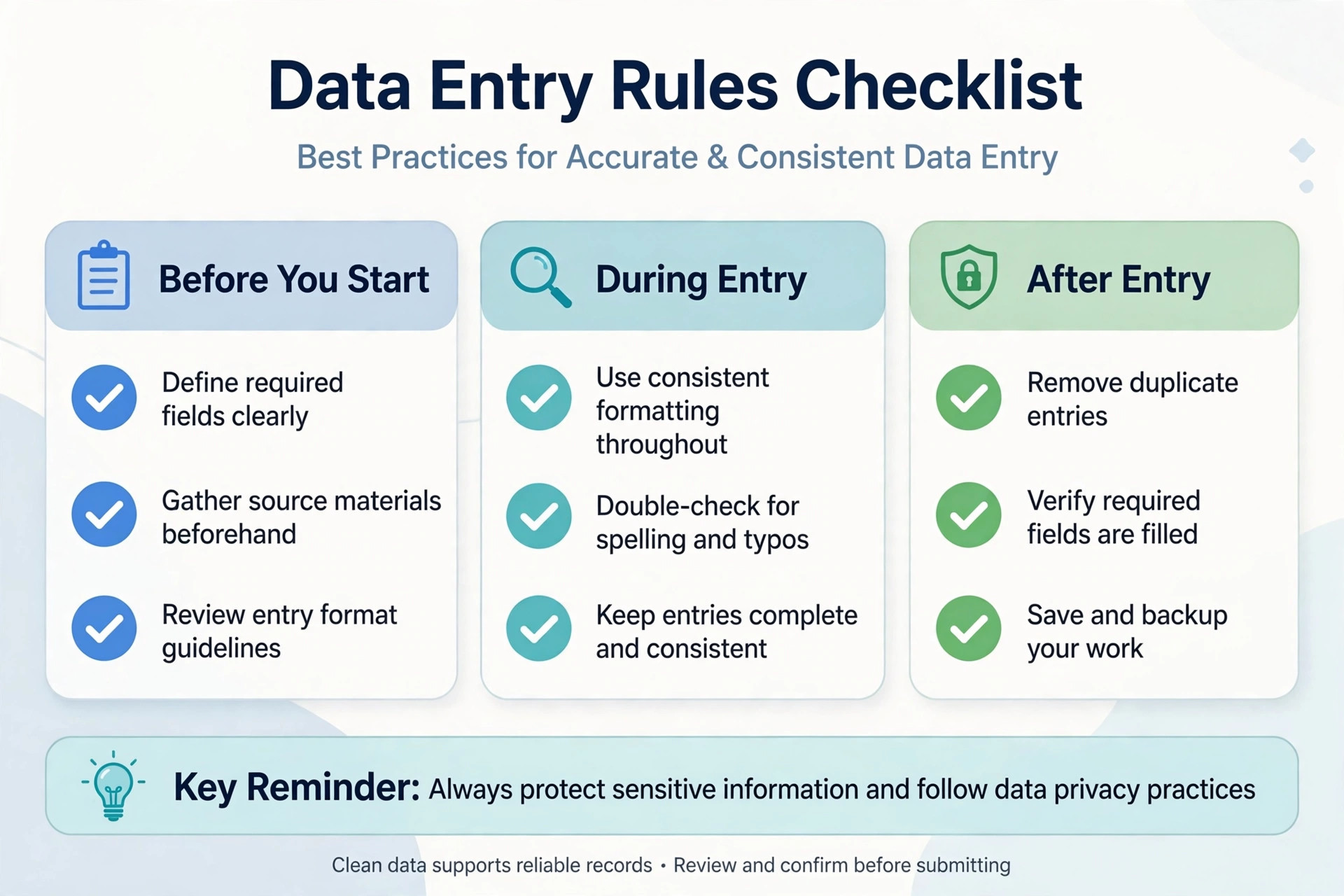
A database is only as good as its entries, and entries are only as good as the rules behind them. Adopt these rules and follow them without exception.
Rule one: enter from the live archive, never from memory. Open the archive page, read the row, type the values. Memory is where transposed digits are born. The Pro Teer Result homepage archive and the teer result list page are your entry sources.
Rule two: enter promptly. Record each day’s numbers on the day they are declared, during the evening. A backlog of unentered days invites batch entry, and batch entry invites the inattention errors that single day entry avoids.
Rule three: preserve leading zeros. Store 07 as the two character text 07, never as the number 7. In a spreadsheet, this means formatting number columns as text before typing. This rule is non negotiable, because 07 and 70 are different outcomes and a stripped zero corrupts the record silently.
Rule four: complete every field. A row with a date and a number but no session label is a future mystery. Fill all seven fields every time, even when it feels redundant. Redundancy in a database is a feature, not a flaw.
Rule five: never edit history except to correct verified errors. If the archive issues a corrected declaration, update the affected row and note the correction in the remarks field. Do not rewrite rows for any other reason. A database with an honest correction trail is more trustworthy than one that pretends no error ever occurred.
A short entry checklist
Before you consider a day’s entry complete, run this checklist: date correct, day of week matches the calendar, session labeled, round labeled, number has two digits with leading zero intact, source noted, remarks filled or explicitly marked none. Seven checks, ten seconds, and the entry is professional grade.
Spreadsheet Techniques for Teer Archives
A spreadsheet rewards technique. Start with data validation on the session and round columns, restricting them to their allowed values: morning or afternoon for session, FR or SR for round. Validation eliminates typos in the two fields where typos cause the most damage.
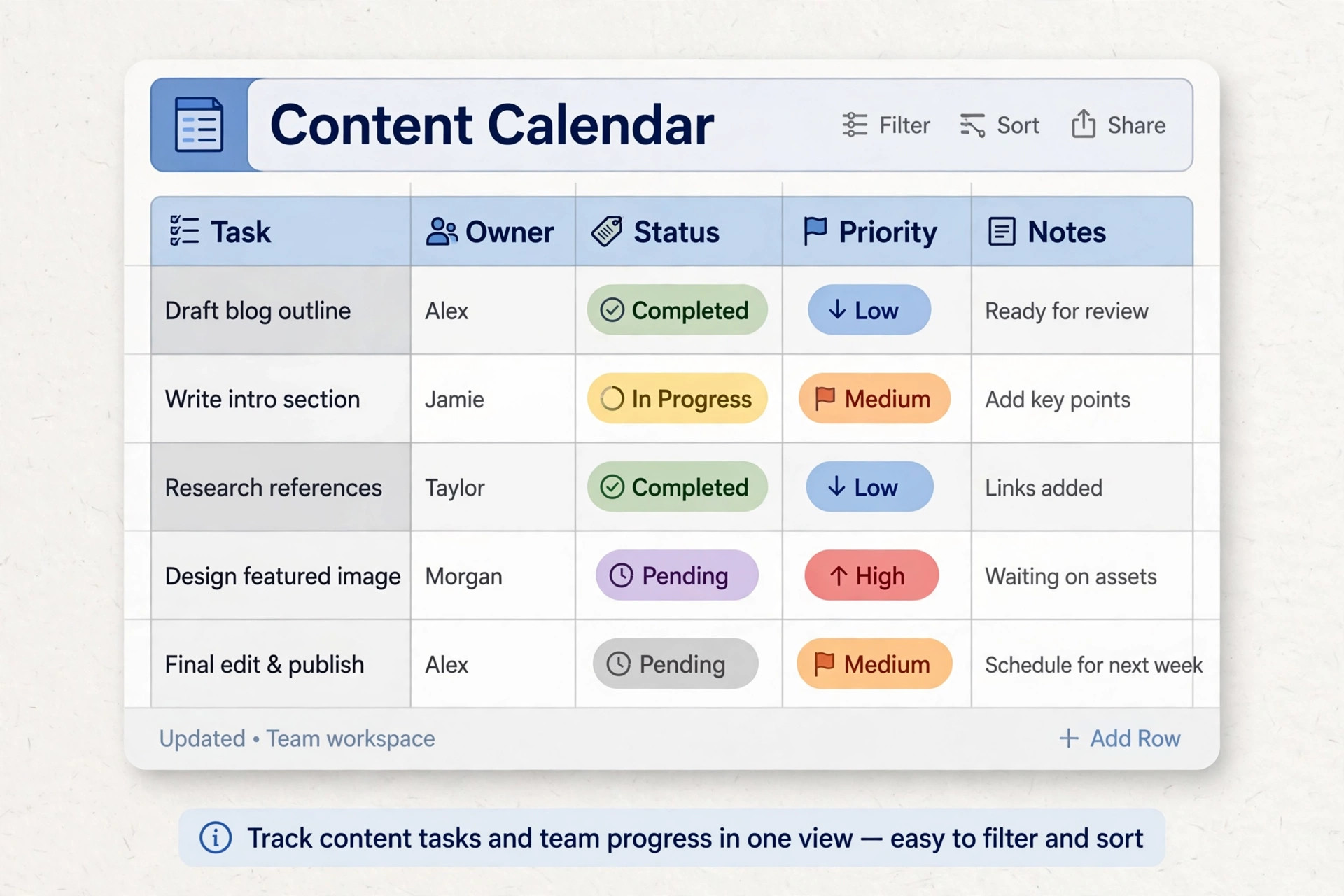
Use filters on the header row. Filters let you isolate any slice of history instantly: all afternoon SR numbers for a quarter, all rows with remarks, all entries from a single month. This is the practical payoff of the one row per round schema. Slicing that would take an hour in a notebook takes seconds with filters.
Keep one tab per month, named by year and month. Monthly tabs keep each sheet fast and make navigation obvious. Add a summary tab at the front listing each month with its count of entered rows and any outstanding remarks. The summary tab is your dashboard: one glance tells you whether the database is complete and current.
Protect completed months. Once a month is entered and audited, lock its tab against accidental edits. Spreadsheet applications offer sheet protection for exactly this purpose. Future corrections, which should be rare, can be made by temporarily unlocking, editing with a remarks note, and relocking. This discipline prevents the slow decay that affects unprotected sheets over time.
Back up monthly. Copy the file to a second location, or rely on automatic cloud versioning. A database representing hundreds of careful entries deserves protection against device failure. The backup habit costs a minute a month.
Auditing an Archive: Completeness Checks
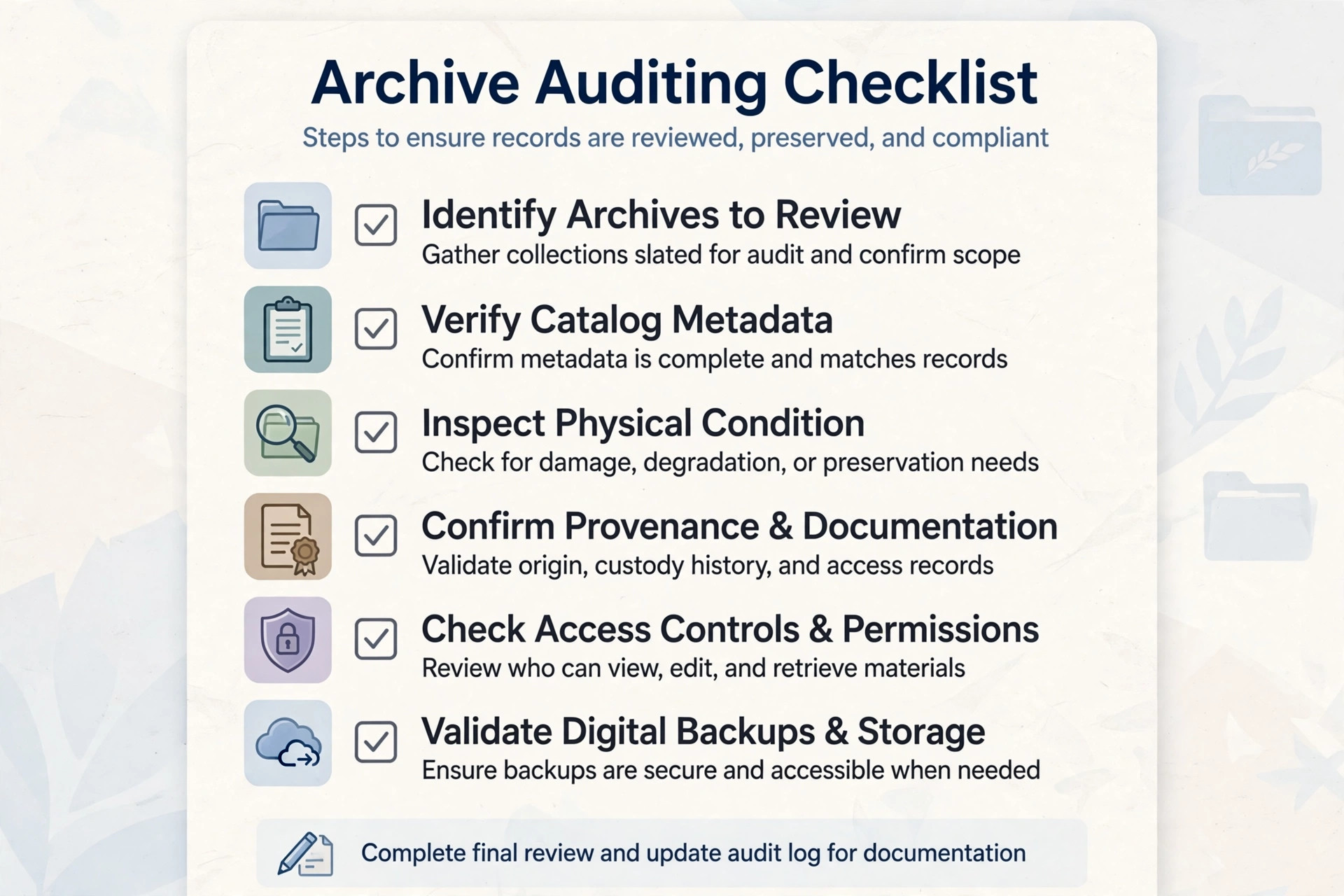
Professionals audit. Once a month, run these checks over the completed month. First, the completeness check: every playing day should have four rows, two sessions times two rounds. Count the rows and compare against the number of playing days. Sundays have no game, so exclude them. Any shortfall is a missing entry to investigate.
Second, the duplicate check: sort by date, session, and round, then scan for doubled rows. Duplicates usually come from entering the same day twice, often after a delayed declaration caused a second visit to the archive. Remove the duplicate, keeping the verified entry.
Third, the session integrity check: filter to the morning session and confirm every row’s numbers plausibly belong there, then do the same for the afternoon session. You are looking for the classic error of a morning number filed under the afternoon session. Because your schema labels every row, this check is fast.
Fourth, the spot verification: pick five random dates and compare your rows against the live archive. Five matches out of five means the month is almost certainly clean throughout. Any mismatch triggers a wider review of that week.
Fifth, the remarks review: read every remarks entry for the month. Unusual days should explain themselves. A delayed declaration noted at entry time should still make sense now. Remarks that no longer make sense indicate an entry problem worth resolving while the month is still fresh in memory.
Log each audit with its date. An audit log proves the database was maintained, not just created. If you ever share your compiled records, the audit log is what makes others trust them.
Session Separation as a Data Integrity Rule
The morning and afternoon sessions of Khanapara Teer are independent games, and your system must enforce their separation structurally, not just by good intentions. The schema does this through the session field, but you can add a second layer of protection with physical or visual separation.
In a spreadsheet, consider separate monthly tabs per session for heavy users: 2026-09 morning and 2026-09 afternoon. This makes cross session contamination nearly impossible, at the cost of switching tabs during entry. In a notebook, dedicate the left pages to the morning session and the right pages to the afternoon session, or use two notebooks. Choose the separation your volume justifies.
The Khanapara Teer result page covers the afternoon game while the Khanapara Morning Teer result page covers the morning game. Enter each session from its own page, in separate passes. Entering both sessions in one pass, switching between pages, is how mix ups happen. Two passes, two pages, zero confusion.
Test your separation quarterly. Ask: if I deleted every morning row, would the afternoon history remain complete and coherent? If the answer is yes, your separation is working. This thought experiment takes a minute and validates the integrity of the entire structure.
Responsible Analysis: What the Data Can and Cannot Say
With a clean database, the temptation to analyze is strong. Responsible analysis knows its limits. Here is what your data can legitimately say: what was declared, on which date, in which session and round. It can answer factual questions, settle disagreements, and document the game’s history. These are genuine, valuable uses.

Here is what it cannot say: anything about future rounds. Each round is an independent archery event. The count of arrows hitting the target today has no memory of yesterday’s count. Statistical summaries of past numbers, such as how often each two digit value appeared, describe history accurately but predict nothing. An analyst who presents a frequency table as a forecast has crossed from analysis into misleading speculation.
This boundary matters beyond personal use. If you share your records or your summaries publicly, label them clearly as historical records. Never frame a summary as guidance for future play. The community is full of misleading claims built on real historical data, and your professional reputation depends on never contributing to that noise.
There is one more responsible practice: disclose your sources and methods. Note which archive you enter from, note your audit schedule, and note any corrections you applied. Transparency lets others evaluate your work independently, which is the foundation of trust in any shared record.
Sharing and Publishing Your Compiled Records
Some record keepers eventually share their compiled histories, and doing it well extends the value of the work. Share the data, not interpretations. A downloadable spreadsheet of dated, labeled, verified numbers helps everyone. A post claiming the data reveals something about upcoming rounds helps no one and harms your credibility.
When sharing, include your schema description so others understand the columns. Include your audit log summary so they know the data was maintained. State your source archives and your correction policy. This documentation takes an hour to write once and permanently elevates your shared records above the anonymous compilations floating around messaging apps.
Respect the source archives you built from. They did the daily work of publishing declarations. If your shared compilation becomes popular, link back to the archives it derives from, so readers can verify any entry independently. The teer result list page is the natural reference to cite. Attribution is both honest and practical: it gives your readers a verification path, which makes your compilation more trustworthy, not less.
Version your shared files. When you publish an updated compilation, label it clearly with the date range it covers and the date you exported it, for example records through the end of last month, exported on the first of this month. Version labels prevent the confusion of two different files with the same name circulating among readers. Keep old versions available rather than deleting them, so anyone referencing an earlier export can still find it. A small version history is the final mark of a professional shared record.
Frequently Asked Questions
What fields should a professional teer record include?
At minimum: date, day of week, session (morning or afternoon), round (FR or SR), the two digit number, source, and remarks. One row per round gives four rows per full playing day. This schema makes session and round mix ups structurally impossible.
How often should I audit my records?
Monthly, covering the just completed month. Check completeness against playing days, scan for duplicates, verify session integrity, spot check five random dates against the live archive, and review all remarks. Log each audit with its date.
Why store one row per round instead of one row per day?
Because every number then carries its own session and round labels, filtering becomes trivial, and mix ups become nearly impossible. A day based row forces you to remember which column was which, while a round based row states it explicitly.
Can historical analysis reveal anything about future results?
No. Each round is an independent archery event with no memory of previous rounds. Historical data accurately describes the past and can settle factual questions, but it cannot predict future declarations. Any claim otherwise is speculation, not analysis.
How do I handle a corrected declaration in my database?
Update the affected row to the corrected number, note the correction and its date in the remarks field, and move on. Never rewrite history silently. An honest correction trail keeps the database trustworthy.
Is it okay to share my compiled records publicly?
Yes, if you share only factual data with clear documentation: your schema, your sources, your audit practice, and your correction policy. Never attach predictions or guidance about future rounds. Link back to the source archives so readers can verify entries independently.
Conclusion
Professional tracking of the khanapara teer previous result is a craft built on simple disciplines: a complete schema, strict entry rules, monthly audits, structural session separation, and honest limits on what the data means. Build the system once, maintain it in minutes a day, and you will own a historical record that is accurate, verifiable, and genuinely useful. The archive rewards the careful, and the careful never have to guess.
Teer is a legal lottery game in Meghalaya, open to adults aged 18 and above only. Please play responsibly.