

Most people glance at the shillong morning teer result and move on. Professionals do something different. They understand the session’s structure, they read with a fixed method, they verify systematically, and they keep records that would satisfy an auditor. This pro breakdown from Pro Teer Result takes you inside that professional approach. Whether you follow casually or seriously, thinking like a pro will make your mornings sharper and your information cleaner.

A professional mindset does not mean complicated rituals. It means a small set of precise habits applied consistently: knowing the structure cold, reading in a fixed order, verifying before trusting, and recording what matters. This guide builds each habit step by step.
The Session Structure, Dissected
Everything about the morning result flows from its structure. Professionals learn the structure first and the numbers second, because structure never changes while numbers change daily.
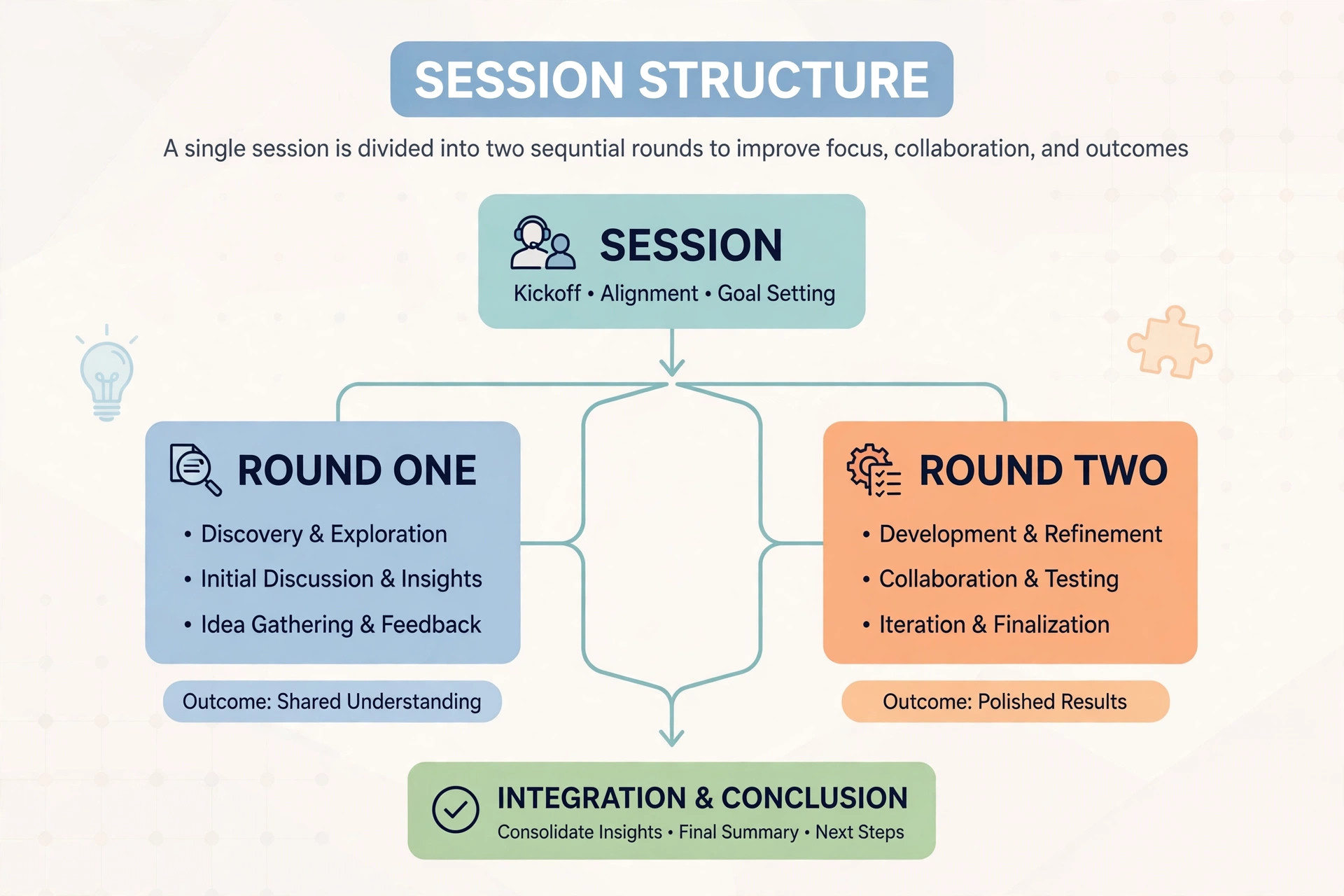
One session, two rounds
The Shillong morning session is a single event divided into two sequential rounds. The first round involves a larger group of archers and a longer shooting period. The second round follows with a smaller setup and completes more quickly. Each round is a complete archery exercise on its own: shooting, counting of arrows that hit the target, verification, and declaration.
Two numbers, one result
Each round yields exactly one two digit number, from 00 to 99, derived from the last two digits of the verified hit count. The first round’s number is labelled FR. The second round’s number is labelled SR. Together, FR plus SR form the complete shillong morning teer result for that date. Neither number alone is the whole result.
Independence of rounds
Here is the structural fact that professionals internalise and amateurs forget: the two rounds are independent events. The second round does not know what the first round produced. Its archers shoot fresh, its count starts from zero, and its number emerges from its own process. Any attempt to connect the two numbers, to derive one from the other, violates the structure of the game.
The session in the day’s order
The morning session is the first teer session of the Shillong day. Later sessions, including the main afternoon Shillong session and the sessions of other markets, are separate structures with separate results. A professional never lets these structures blur. Morning is morning, with its own page, its own card, and its own two numbers.
The Professional Reading Method
Casual followers read whatever catches their eye first. Professionals read in a fixed sequence that eliminates entire categories of error.
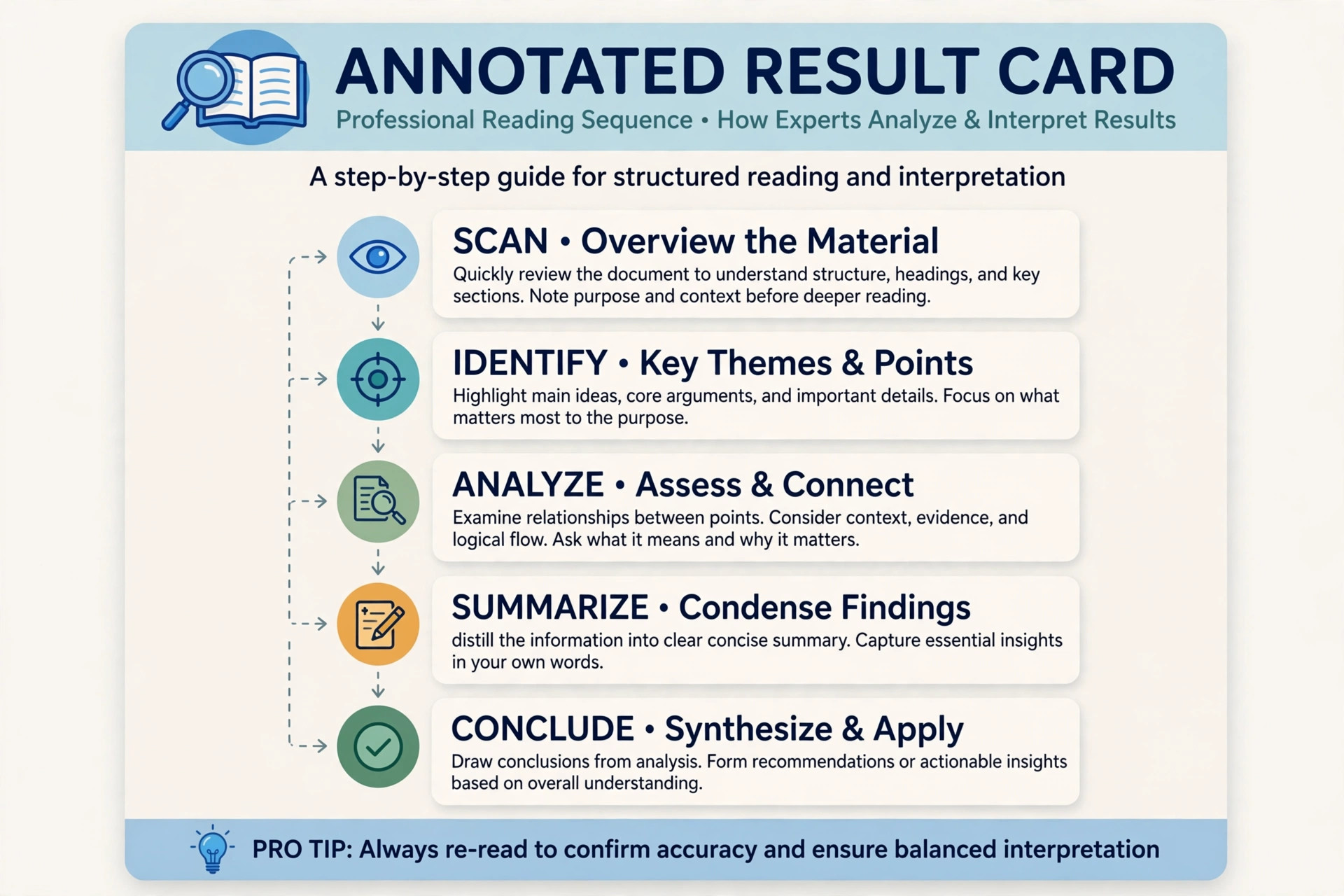
Step 1: Date
The professional reads the date before the numbers. Every result card carries its date, and the professional confirms it matches the intended day. This single step defeats the most common error in teer following: acting on an old card. Archives look like live pages. Only the date tells them apart.
Step 2: Session
Next, the professional confirms the session label. The card must say the Shillong morning session. With multiple sessions per day across the region, session confusion is a real and frequent mistake. The label check takes one second and prevents it entirely.
Step 3: FR digits
Then the professional reads the FR number as two full digits. Leading zeros are pronounced mentally: 04 is zero four, not four. Both digits matter because the number space runs 00 to 99, and 04, 40, and 44 are three entirely different outcomes.
Step 4: SR digits
The same care applies to the SR number. If SR shows a placeholder, the professional notes that the round is pending and waits. Placeholders are information, not emptiness: they say the process has not reached that stage yet.
Step 5: Round to ticket mapping
If tickets are involved, the professional maps deliberately: FR number against first round tickets only, SR number against second round tickets only. No cross matching, no assumptions. The structure dictates the mapping, and the professional follows the structure.
Verification Like a Pro
Reading correctly is half the job. Verifying is the other half. Professionals verify with method, not mood.

The two source rule
For any number that matters, the professional confirms it on two independent result websites. Same date, same session, same digits. Agreement across independent publishers is the strongest practical confirmation available to a follower. This is not paranoia. It is the same principle auditors use: independent corroboration.
Timing plausibility
The professional knows the rhythm of the morning. The FR number appears in the late morning hours, the SR number about an hour later. Numbers appearing far outside this rhythm, especially complete results far too early, fail the plausibility check and are disregarded until the genuine declaration. Information has a natural speed limit set by the physical process behind it.
Separation of fact and guess
The professional maintains a hard mental line between declared numbers and predictions. Declared numbers come after the archery and are facts. Predictions, common numbers, hit numbers, and target numbers come before and are guesses. A professional result page respects this line visibly. A page that blurs it is not a professional source, whatever it calls itself. This guide contains no predictions of any kind.
Correction tracking
Professionals notice how sources handle errors. The honest ones correct visibly and promptly. Watching correction behaviour over weeks tells you which publishers deserve your trust. A source that has never visibly corrected anything has either never erred, which is unlikely, or never admitted it, which is worse.
Record Keeping Systems
Memory is unreliable. Professionals keep records. A good personal log for the shillong morning teer result is simple and takes seconds per day.

The minimal log
Date, FR, SR. Three columns, one row per working day. That is the entire minimal system, and it already beats the memory of most followers. Keep it in a notebook or a phone note, whichever you will actually maintain.
The enhanced log
Add columns for session notes: declared on time or delayed, any holiday, source checked. Over months this becomes a small dataset describing the rhythm of the game: how often delays occur, which weekdays behave differently, how the calendar of holidays falls. None of this predicts future numbers, because each round is independent, but all of it deepens your understanding of the system.
Why records matter
Records serve three purposes. They give you instant answers about the past without depending on any website. They train your eye for the difference between live pages and archives. And they build the discipline of precision that defines professional following. A follower with a clean log is a follower who cannot be fooled by a misdated screenshot.
Understanding Delays Professionally
Delays are part of the system, and professionals interpret them correctly. The morning’s physical process, outdoor archery followed by careful counting, is subject to weather and verification needs. When the declaration arrives later than the usual rhythm, it typically means the process needed more time, not that something is wrong.
The professional response to delay has three parts: no rumour consumption, no premature conclusions, and a single recheck after a reasonable interval. Forwarded numbers during a delay are the least trustworthy information of the entire day. The declared numbers will appear on disciplined result pages, and they are worth waiting for.
On days with no session, Sundays being the regular weekly holiday and occasional public holidays, the professional expects nothing and checks nothing. The calendar is part of the system too.
The Morning Session’s Place in Teer Culture
A professional understands not just the mechanics but the context. Teer grew from the archery tradition of the Khasi community in Meghalaya, and the morning session is the day’s first expression of that tradition. Archers, officials, counters, and followers each play a role in a ritual that repeats every working morning.
This cultural frame matters because it explains the system’s values: the physicality of the event, the care in counting, the regularity of the schedule. The shillong morning teer result is not an abstract lottery draw. It is the recorded outcome of a real morning of archery, and professionals respect it as such.
For background reading, the Meghalaya government portal describes the state framework, and Wikipedia’s archery page covers the sport behind the game.
Common Amateur Errors, Professionally Diagnosed
Professionals study errors the way engineers study failures: to design them out of the system.
Error one is date blindness, reading numbers without confirming the day. The fix is the date first reading order. Error two is session confusion, mixing morning with afternoon. The fix is the label check. Error three is placeholder misreading, treating dashes as zeros or as signals. The fix is understanding that placeholders mean pending. Error four is single source dependence, trusting one page absolutely. The fix is the two source rule for important numbers. Error five is prediction blending, letting guesses contaminate the record. The fix is the hard line between declared and predicted.
Each error has a structural fix, which is why professionals rarely repeat them. Build the fixes into your routine and the errors disappear permanently.
Responsible Professionalism
A true professional respects limits. Teer is a legal lottery in Meghalaya for adults aged 18 and above, and it carries financial risk. Professional following means informational discipline, not larger stakes. Set a firm budget if you participate, never chase losses, and treat the game as tradition rather than income. If the habit ever feels hard to control, step away and seek support. No record keeping system and no reading method changes these fundamentals.
The Professional’s Morning Timeline
A professional maps the morning as a sequence of phases rather than a scramble of moments. Here is the timeline in structural terms.
The pre phase covers the early morning, when archers gather and the first round is shot. Nothing is checkable yet. The professional does not open any result page during this phase, because there is nothing genuine to see.
The first declaration phase arrives in the late morning hours, when the verified FR count is announced and published. This is the first check moment. The professional opens the page, runs the reading order, and records the number.
The intermission phase follows, lasting about an hour, while the second round is conducted. The page shows FR with SR pending. The professional ignores the result during this phase. There is nothing to gain from watching a placeholder.
The second declaration phase completes the morning, when the SR number is announced and published. This is the second check moment, with the same reading order and recording.
The post phase is the rest of the day. The morning session is history, preserved in the archive. The professional moves on. Five phases, two checks, zero wasted attention. That is the entire timeline, and it repeats every working morning with reassuring regularity.
Teaching Others the Professional Method
Professionals do not hoard method. They teach it, because a community of careful followers benefits everyone.
Start with the reading order when someone asks how you always get the numbers right. Date, session, FR, SR. It takes thirty seconds to explain and prevents the majority of beginner errors. Next, introduce the two source rule for important numbers. Show them how two independent pages confirming the same digits creates certainty.
Then address the rumour habit directly. Most casual followers forward numbers without checking. Show them, gently, how a forwarded screenshot lacks a verifiable date and how the live page provides one. People change habits when they see a better method working, not when they are lectured.
Finally, gift them the record keeping idea. A shared notebook, a family group that posts only verified numbers with dates, a bookmark folder of trusted pages. Small infrastructure, large effect. The professional method scales beautifully: every person who adopts it makes the community’s information cleaner.
Professional Tools and Setup
Professionals keep their tools minimal but deliberate. The setup fits in a phone and costs nothing.
First, a bookmark folder with the morning result page, the archive page, and one backup result site. One tap reaches each. Second, a notes app or notebook with the running date, FR, SR log. Third, a clock awareness of the morning’s two declaration phases, so checks land just after the numbers appear rather than long before.
That is the complete toolkit. No special apps, no paid services, no notification subscriptions from dubious sources. The professional edge comes from method, not machinery. Set this up once, and every working morning runs on rails.
Frequently Asked Questions
What is the shillong morning teer result, in professional terms?
It is the declared outcome of the morning archery session in Shillong: two independently produced two digit numbers, FR from the first round and SR from the second, each ranging 00 to 99.
In what order should I read a result card?
Date first, then session label, then FR digits, then SR digits. This fixed order eliminates the most common reading errors.
How do professionals verify a number?
By confirming it on two independent result websites for the same date and session, checking timing plausibility, and keeping predictions strictly separate from declared numbers.
Why keep personal records of results?
Records give you independent answers about the past, train your eye for dates, and build precision. A simple date, FR, SR log takes seconds per day.
Are the two rounds connected?
No. Each round is a separate archery exercise with its own shooting and counting. The SR number is independent of the FR number.
What should I do during a delayed declaration?
Wait and recheck after a reasonable interval. Do not consume rumours or forwarded numbers. Delays usually reflect weather or careful verification.
Is there a morning session every day?
No. Sundays are normally holidays, and some public holidays also pause the game. Expect no result on those days.
Where can I see previous morning results?
In the date wise archive. On this site, browse the teer result list or open the dedicated Shillong morning teer result page linked from the Pro Teer Result homepage.
What is the single most professional habit a beginner can adopt?
Read the date before the numbers, every time, without exception. This one habit prevents more errors than any other technique in this guide.
Conclusion
The professional breakdown is complete: a two round structure producing two independent numbers, a fixed reading order of date, session, FR, SR, systematic two source verification, clean record keeping, and calm handling of delays. Adopt this approach and the shillong morning teer result becomes what it should be, a transparent daily ritual you follow with precision and confidence. Return to this breakdown whenever your habits slip, share it with anyone who still checks by guesswork, and keep raising the standard of how morning numbers are followed.
One final habit separates casual followers from true professionals: a weekly review of your own tracking accuracy. Once a week, compare what you recorded against the archived list and note any mismatch. This short exercise keeps your method honest and your records trustworthy, which is the real point of following the shillong morning teer result the professional way.