

If you want to follow shillong teer result today the way experienced followers do, you need more than a single glance at two numbers on a screen. You need a routine. The people who never miss a result, never mix up the first round with the second round, and never get confused by a delayed declaration all share the same habits: they check at fixed times, they know exactly what a result table shows, they keep or consult an archive of past results, and they cross-check anything that looks odd. This guide is built for that approach. Your starting point each day is the Pro Teer Result homepage, where the latest numbers appear first. It walks you through how the daily Shillong Teer cycle works, how professionals read the result board, how to use past data responsibly, and how to avoid the common mistakes that trip up beginners. Everything here is evergreen, meaning it stays useful whether you read it today, next month, or next year, because it focuses on the system behind the numbers rather than any single day’s declaration.

What “Shillong Teer Result Today” Really Means
When people search for shillong teer result today, they usually want two numbers: the first round result and the second round result. But the phrase covers a full daily cycle that starts long before the declarations and continues after them. Understanding the whole cycle is the first step toward following results like a professional.
The Daily Cycle Behind the Numbers
Shillong Teer is an archery-based lottery game held in Shillong, the capital of the Indian state of Meghalaya. On most playing days, there are two rounds of archery. Archers shoot arrows at a target, and the result for each round is derived from the total count of arrows that hit the target. Only the last two digits of that count form the published result. This is why every teer result you see is a two-digit number between 00 and 99.
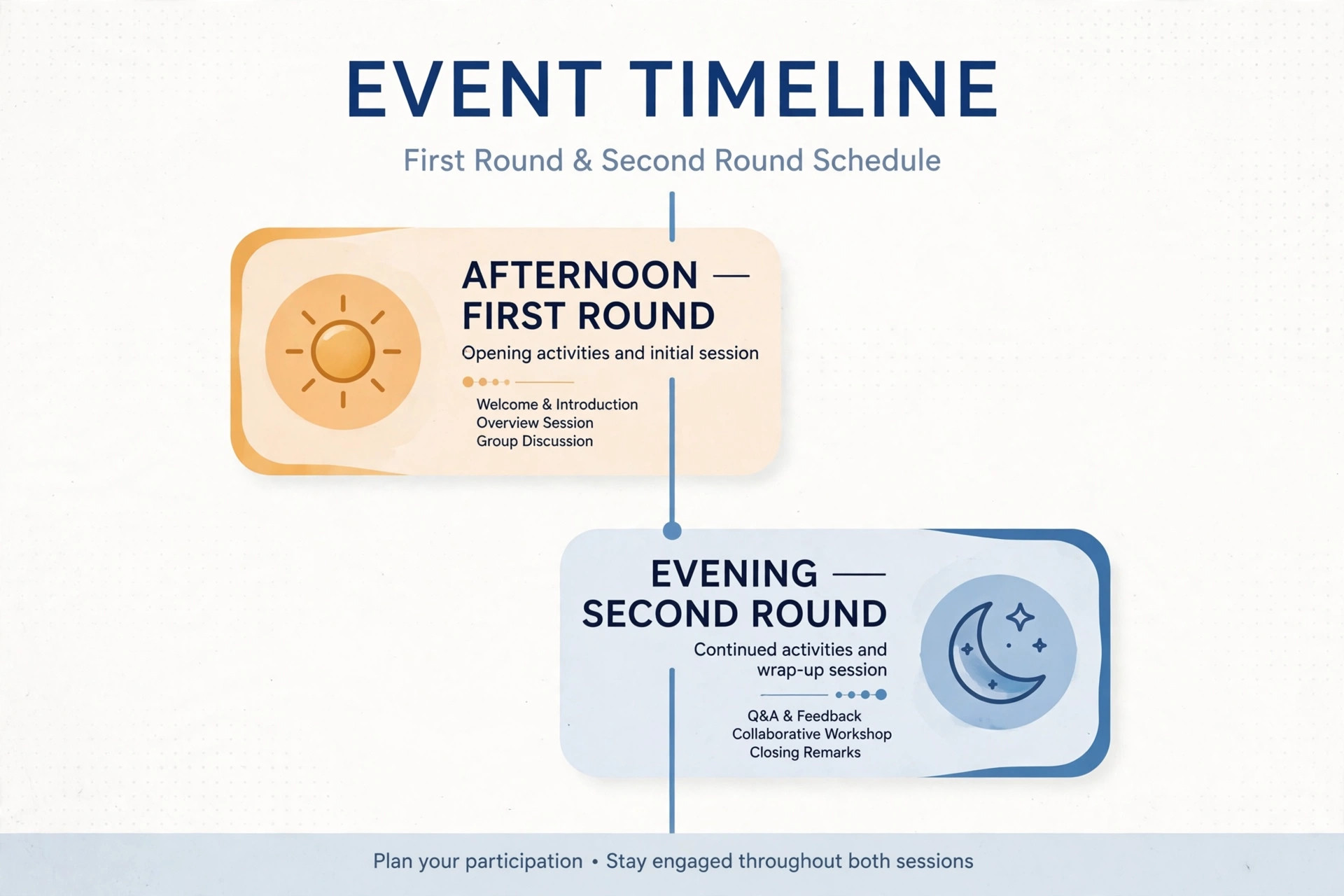
The first round is generally held in the afternoon and the result for it is declared in the afternoon window. The second round follows later in the evening, with its result declared in the evening window. These sessions follow the usual daily windows. On some days the announcements can run a little early or a little late depending on how the event at the ground progresses. Professionals know this and treat the stated windows as guidance rather than promises.
Why the Two Rounds Matter Separately
A beginner often looks at the second round and assumes it replaces the first. It does not. Each round is a separate declaration with its own ticket sales and its own counting. When you follow shillong teer result today properly, you record the first round number and the second round number as two independent pieces of information. If you only care about one of them, fine, but knowing both is what a complete daily record looks like. Many result pages show them side by side in a single row for the date, which makes the pair easy to read at a glance.
The Role of “Today” in Result Pages
One habit that separates experienced followers from casual ones is date awareness. Because result pages carry rows for many days, it is surprisingly easy to read yesterday’s pair and think it is today’s. Before you trust any numbers, confirm that the date shown matches the actual calendar date and that the timezone context makes sense for you. A good result page labels its latest entry clearly with “today” or the current date, and the professional reader always checks that label first.
How a Pro Reads the Shillong Teer Result Today Table
Result tables on teer websites look simple, but each column and label carries meaning. Reading them correctly every time is a skill, and like any skill it improves with a consistent method. Here is the method experienced followers use.
Start With the Header Row
Every reliable result table has a header that identifies the market and the round. For Shillong Teer you will typically see columns for the date, the first round (FR), and the second round (SR). Some pages also include columns for related sessions such as morning or night variants, but for the classic Shillong Teer the FR and SR columns are the core. Confirm you are reading the Shillong Teer result section and not a neighboring market such as Juwai or Khanapara, which publish their own separate pairs of numbers.
Read the FR Column First, Then the SR Column
The order matters because the events happen in that order. Read the first round result first and note whether it has been declared yet. On many pages, an undeclared result shows a placeholder such as a dash. That dash is not a zero and not a missing value; it simply means the declaration has not happened yet. Once you have the first round, read the second round in the same way. Never copy the first round number into the second round slot, a mistake that happens more often than people admit when they are in a hurry.
Understand the Two-Digit Format
A teer result is always two digits, from 00 to 99. If you see something formatted differently, pause. An experienced follower knows that anything outside the two-digit format is either an error on the page or a different kind of data altogether. The result is derived from the last two digits of the total arrows that hit the target in that round. You do not need to perform any calculation yourself; the declared number is the official outcome. Your job is only to read and record it correctly.
Note the Declaration Status
Some result pages mark entries with labels like “declared” or show timestamps of when the page was updated. Use this information. A result row without a clear status deserves a second look on another page before you treat it as final. The habit of checking status takes five seconds and prevents the most common kind of error in this space: acting on a number that was not actually declared yet.
Your Daily Routine for Checking Shillong Teer Result Today
Professionals do not check randomly. They follow a routine that matches the declaration schedule, and that routine is the same every playing day. You can build yours in three simple steps.
Step 1 – Know the Windows
The two declarations happen in the afternoon and evening. The first round result is generally declared in the afternoon window, and the second round in the evening window. Set your expectations around those windows. Checking in the morning will only show you the previous day, and checking once late at night means you miss the rhythm of the day entirely. A pro checks shortly after each window, not hours before.
Step 2 – Check Twice, Record Once
When you open your result page after the first round window, read the FR number and write it down in your own record or confirm it is displayed. Do the same after the second round window. Writing the numbers down, even in a simple notes app, builds an independent record that protects you from misremembering later. This small discipline is one of the biggest differences between casual followers and serious ones.
Step 3 – End the Day With a Review
In the evening, take one final look at the full row for the day: date, first round, second round, both declared. This closing check is how professionals make sure nothing was missed. If the second round looks undeclared late in the evening, it may be a delayed day, and the next section explains what that means and how to handle it.

When Results Are Delayed or Missing
Even a well-run daily event can have off days. Understanding delays keeps you calm and prevents you from trusting unofficial numbers out of impatience.
Why Delays Happen
Declarations depend on the physical event: the archery session, the counting, and the official announcement. Weather, scheduling changes at the ground, or administrative holdups can push a declaration later than usual. On rare occasions a playing day is suspended entirely. These things are part of any live event, and experienced followers treat a missing number as information in itself rather than a problem to solve by guessing.
How to Handle a Blank Entry
If the result table shows a dash or a blank for a round that should have been declared, do not fill it in from an unverified source. Wait and recheck after some time. If multiple reputable pages all show the same blank, the declaration genuinely has not happened yet. The professional move is patience, not improvisation.
Sundays and Non-Playing Days
Teer is not held every single day of the year. There are weekly off days and occasional holidays when no rounds take place. If you see no entry for a day, check whether it is a scheduled non-playing day before assuming a delay. A good result page usually notes this, and a personal record of past playing days makes the pattern obvious over time.
Using the Shillong Teer Result Archive Like a Professional
The archive, sometimes called the result list, is the professional’s most valuable tool. It is simply the dated history of past declarations, but used well it answers questions no single day’s numbers can.
What the Archive Shows
An archive lists each past playing day with its first round and second round results, and you can browse the full Shillong Teer result list whenever you need a dated record. Some archives go back weeks, others months. Each row is a complete record of one day’s cycle. When you want to confirm what happened on a specific past date, the archive is where you look. This is useful for checking tickets, settling friendly debates, or simply confirming your own records.
How Professionals Navigate Archives
The pro method is straightforward. First, locate the archive or result list page for the market you follow. Second, find the date you need by scrolling or searching rather than guessing. Third, read the full row, both rounds, and confirm the date matches exactly. Date mismatches are the single most common archive error. A row from the 15th looks a lot like a row from the 16th when you are scanning quickly, so slow down on this step.
What Past Data Can and Cannot Tell You
This is where professionalism matters most. Past results are a record of what happened. They tell you about playing schedules, declaration patterns, and how the archive itself is maintained. They do not predict future results. Each round is an independent event. No serious follower treats the archive as a forecasting tool, and any page that suggests otherwise should lose your trust immediately. The professional uses archives for verification and record-keeping, never for prediction.
Keeping Your Own Records
Many experienced followers maintain a personal log alongside the online archive. It can be as simple as a notebook or a spreadsheet with three columns: date, first round, second round. Over time this becomes your private archive, useful for double-checking the public one. It also teaches you the rhythm of the game: which days are playing days, how often delays occur, and how quickly your preferred result page updates. None of this predicts anything, but all of it makes you a more informed follower.

Spotting Bad Data and Unreliable Result Pages
Not every page that shows teer numbers is trustworthy. The internet is full of result pages, and professionals apply a quality filter to decide which ones to rely on.
Signs of a Trustworthy Page
A reliable result page updates daily at the expected times, labels dates clearly, keeps a consistent archive, and uses the standard two-digit format. It does not mix markets without clear labels, and it does not show future dates as if results already exist. If a page shows “tomorrow’s result” as declared, that is a red flag by itself, since future results cannot exist.
Signs You Should Leave
Be cautious with pages that change numbers without explanation, that show different values on every refresh, that are buried in aggressive popups, or that promise predictions alongside results. A page focused on selling tips is not focused on accurate data. Professionals separate the two concerns completely: they get numbers from data-focused pages and they ignore prediction content everywhere.
The Cross-Check Habit
The single most professional habit in this guide is the cross-check. When a number matters to you, confirm it on two independent result pages before you treat it as final. If both agree, you can trust it. If they disagree, wait and recheck later. This takes under a minute and it is the closest thing to a guarantee that accurate following has. For the official context behind the game itself, the Meghalaya government portal is the authoritative source for the state where teer is a legal lottery, and background on the sport of archery helps you understand what the archers are actually doing at the ground.
Seven Mistakes Beginners Make With Daily Results
Professionals learned these lessons the hard way. You can learn them here instead.
Mistake 1: Reading the wrong date. Always confirm the date label before trusting a pair of numbers. Yesterday’s results look identical in format to today’s.
Mistake 2: Confusing the rounds. The first round and second round are separate declarations. Keep them in their own columns in your records.
Mistake 3: Treating a dash as a number. A dash means not yet declared. It is not a zero and it is not information.
Mistake 4: Checking too early and stopping. If you check before the declaration window, you will see old data. Check again after the window.
Mistake 5: Trusting a single page blindly. Cross-check any number that matters on a second page. Pages make mistakes.
Mistake 6: Mixing up markets. Shillong, Juwai, and Khanapara are separate markets with separate numbers. Make sure the page section you read matches the market you want.
Mistake 7: Acting on predictions. Past numbers do not predict future ones. Anyone selling certainty about the next result is selling something else.
Frequently Asked Questions About Shillong Teer Result Today
What time is the Shillong Teer result declared today?
The first round result is generally declared in the afternoon window and the second round in the evening window. These are approximate windows and can shift slightly depending on the event at the ground. If the numbers are not visible right away, wait a little and check again rather than trusting an unofficial source.
Where can I check shillong teer result today online?
Dedicated teer result websites publish the daily first and second round numbers along with archives of past results. Choose pages that update daily at the expected times, label dates clearly, and keep a consistent archive. Cross-check any important number on a second independent page before treating it as final.
What do FR and SR mean in the result table?
FR stands for the first round and SR stands for the second round. These are the two daily archery rounds of Shillong Teer. Each round produces its own two-digit result, and the two are declared at different times in the afternoon and evening.
Is Shillong Teer legal?
Teer is a legal lottery in the Indian state of Meghalaya, regulated under the state’s lottery framework. It is meant for adults aged 18 and above only. If you participate, do so responsibly and within the law. The game is not legal everywhere, so the rules that apply depend on where you are.
Can I predict the next result from past results?
No. Each round is an independent event, and past results do not influence future ones. Archives are useful for verification, record-keeping, and understanding schedules, but they cannot forecast numbers. Treat any claim of guaranteed predictions with skepticism.
Why does the result table show a dash instead of a number?
A dash or blank entry means the result for that round has not been declared yet. It commonly appears before the declaration time, during delays, or on non-playing days. Wait for the official declaration and recheck later rather than looking for the number elsewhere.

Conclusion
Following shillong teer result today like a professional comes down to a handful of habits: check at the right times, read the date and the round labels carefully, record what you see, use the archive for verification rather than prediction, and cross-check numbers that matter. None of this requires special tools or insider knowledge. It requires consistency. Build the routine described in this guide, and you will rarely be confused by a result table again. And remember the responsible note that underpins all of this: teer is a legal lottery in Meghalaya for adults aged 18 and above only, so participate, if you do at all, with care and within your means.