
The term teer dream number sits at a fascinating crossroads between folklore and lottery culture in Meghalaya. For generations, players of Shillong teer have connected their night-time dreams with numbers, believing that what the mind shows in sleep carries a hidden message. This article is an informational guide to that tradition: where it comes from, how it works in everyday life, what the classic dream symbols mean in folklore, and why it should always be treated as cultural heritage rather than betting advice. Nothing here predicts any result. Teer is a legal lottery in Meghalaya for adults aged 18 and above, and dreams do not influence its outcomes.
What Is Teer Dream Number and Where Does the Idea Come From?
A teer dream number is a number that a person associates with something they saw in a dream. In the towns and villages around Shillong, Juwai and Khanapara, many teer players keep a small notebook or rely on memory of a community-shared list that links dream images (a snake, a river, a wedding, a falling tooth) to specific two-digit numbers. The practice is not part of the official game at all. The Meghalaya archery-based teer lottery is a regulated game in which archers shoot arrows at a target and the number of arrows that hit decides the result. The dream-number tradition grew up alongside it as folk culture, the way proverbs, riddles and omens grow up around any long-standing community ritual.
To understand why dreams and teer became linked, it helps to know what teer actually is. Shillong teer is a legal archery lottery of Meghalaya, organized under state regulation, with results declared in a morning session, an afternoon session and an evening session on working days. Players buy tickets at licensed counters and choose a two-digit number from 00 to 99. If the official result matches their chosen number, they win a prize. You can read more about how the game is organized and how to follow daily outcomes on our Shillong teer result page, and the full teer result list keeps an archive of declared numbers for reference.
Dream interpretation itself is one of humanity’s oldest practices. Long before lotteries existed, communities across the world treated dreams as messages, warnings or blessings. The Wikipedia article on dream interpretation traces this history from ancient Egyptian dream books through Greek and Roman oneiromancy to modern psychology. When teer took root in Meghalaya decades ago, this universal human habit of reading meaning into dreams simply attached itself to the new game, and the teer dream number tradition was born.
The Origins of the Teer Dream Number Tradition in Khasi Culture
Oral storytelling and symbolic thinking
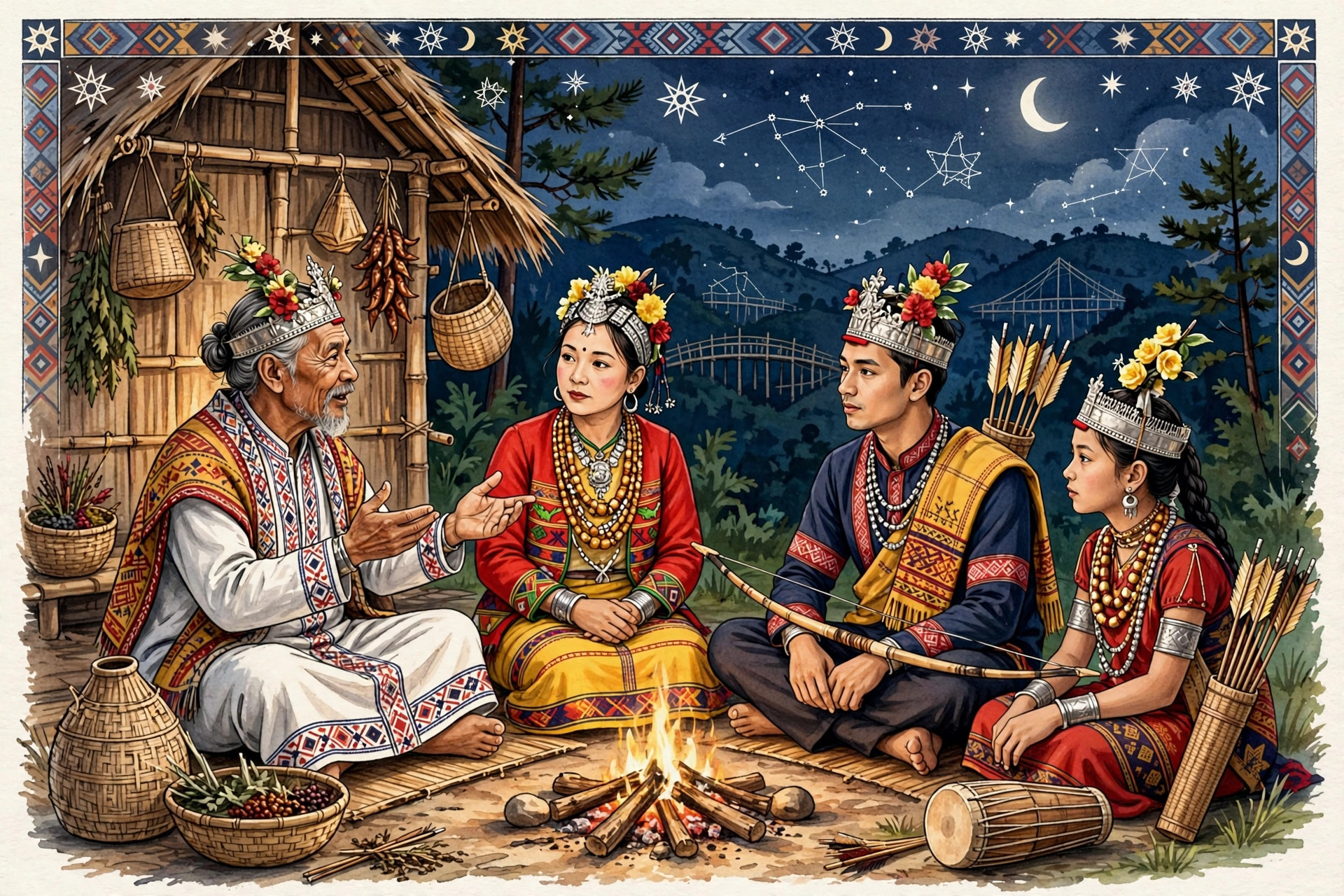
The Khasi people of Meghalaya have a rich oral tradition. Elders pass down folktales (ki khanatang), proverbs and riddles that are full of symbolic animals, rivers, hills and spirits. In these stories, a tiger stands for power, a river for a journey or change, and a dream for a message from beyond ordinary life. This symbolic way of thinking made it natural for teer players to read their own dreams symbolically too. When someone dreamed of catching fish the night before going to the teer counter, the community’s storytelling instincts supplied a ready framework: the dream must mean something, and since teer is a game of numbers, the meaning must be a number.
The early days of the archery lottery
Teer began as a traditional archery pastime of the Khasi tribes and was later formalized into a regulated lottery. In its early decades, before smartphones and instant result websites, players gathered in person at counters and talked. Conversation filled the waiting time: who shot well, what the weather was like, and inevitably, what everyone had dreamed the night before. Dream-talking became part of the social fabric of the game. Older players who had played a number after a vivid dream and happened to win would retell the story for years, and each retelling strengthened the tradition. Nobody kept rigorous records of the many times a dream number did not win, which is exactly how folklore works: memorable hits are remembered, misses are forgotten.
Influence from neighbouring regions
Meghalaya sits beside Assam, and the dream-number custom is shared across the border. Khanapara teer, played at the Assam-Meghalaya border, has its own dream-number folklore, and players in both states swap dream stories and number associations. Bengali, Assamese and Hindi dream-interpretation booklets (sometimes called swapna-phal books) sold in local markets added another layer, offering printed dream-to-number tables that many players still consult. These booklets differ from one another, which is an important clue about their nature: there is no single authoritative teer dream number list, only overlapping folk traditions.
How the Teer Dream Number Tradition Works in Practice
Understanding the custom as it is actually lived helps separate folklore from fact. Here is how a typical dream-number story unfolds in a teer town.
Step 1 – A vivid dream is remembered
The process starts the way all dream interpretation starts: a person wakes up with a striking image in mind. It might be a snake crossing a path, a dead relative smiling, water flooding a house, or finding money on the road. The more vivid or emotional the dream, the more seriously it is taken.
Step 2 – The dream is shared and discussed
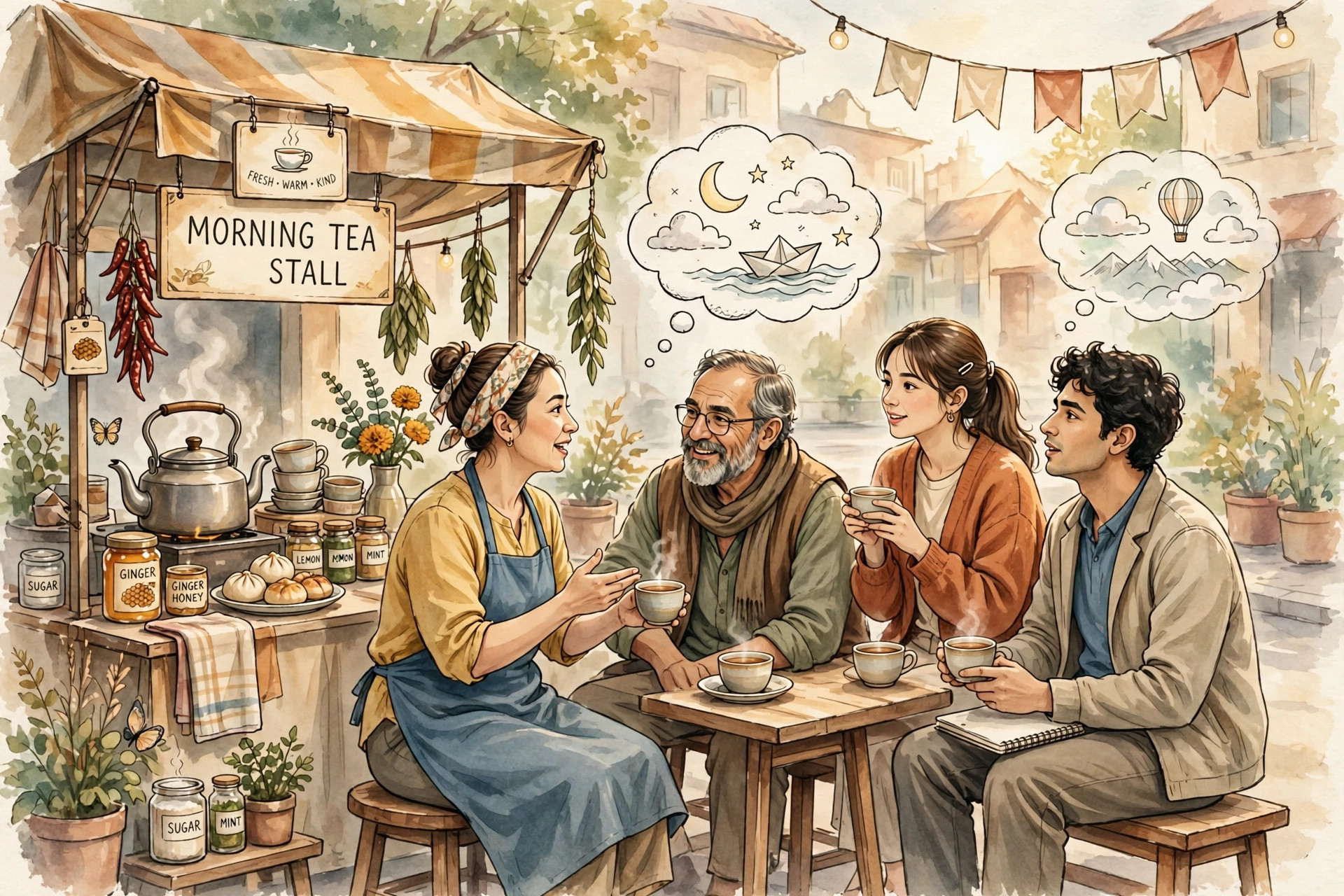
At the morning tea stall, at the counter, or in a family group chat, the dreamer tells the story. Elders and experienced players weigh in with what they believe each element means. This social step is the heart of the tradition. A dream is rarely interpreted alone; it is interpreted by the community, and the community’s version becomes the accepted one.
Step 3 – A number association is recalled
Someone in the conversation will recall the traditional number linked to that dream image. This is where the printed booklets and hand-copied lists come in. Different people may suggest different numbers for the same dream, and sometimes they compromise or pick the one suggested by the most respected voice in the group.
Step 4 – The number is played (or just talked about)
Some players then buy a teer ticket with that number for the day’s session. Many others simply enjoy the conversation and never play at all. Researchers who have observed teer culture note that for a large share of participants, the dream discussion is the real point: a daily social ritual that makes the morning interesting, whether or not money changes hands. This article discusses the tradition only as culture. It offers no betting advice, and if you choose to play teer, do so responsibly and only at licensed counters, with money you can afford to spend on entertainment.
Teer Dream Number Meanings – Classic Folklore Examples
This section documents some of the most widely repeated dream-to-number associations in Meghalaya teer folklore. Treat every entry below as an example of folk belief only, not a real prediction and not advice. Associations vary between communities, booklets and families, and no version has ever been shown to predict results. Numbers shown are illustrative examples of what folklore lists contain, not real results and not recommendations.
Snake (traditional meaning: hidden wisdom or a warning to be careful). Some folk lists link it to a number in the teens.
River or flood (traditional meaning: a big change or journey ahead). Some folk lists link it to a number in the twenties.
Dead relative smiling (traditional meaning: blessing and good fortune from ancestors). Some folk lists link it to a number in the thirties.
Finding money (traditional meaning: unexpected gain or luck turning). Some folk lists link it to a number in the forties.
Wedding celebration (traditional meaning: union, partnership or new beginnings). Some folk lists link it to a number in the fifties.
Falling teeth (traditional meaning: anxiety about health or family). Some folk lists link it to a number in the sixties.
Flying or floating (traditional meaning: freedom, ambition, rising above problems). Some folk lists link it to a number in the seventies.
Fire or burning house (traditional meaning: strong emotion, conflict or transformation). Some folk lists link it to a number in the eighties.
Catching fish (traditional meaning: prosperity and abundance). Some folk lists link it to a number in the nineties.
White cow or elephant (traditional meaning: purity, strength and auspiciousness). Some folk lists link it to zero-style numbers.
Two things stand out about this table. First, the symbolic meanings (snake as warning, river as change) come from a much older and wider dream-symbol tradition that exists across South Asia and beyond. Second, the number associations are the fragile part: ask ten players for the number of a snake dream and you may get several different answers. That inconsistency is precisely why folklorists, not statisticians, are the right people to study dream-number lists.

Why lists disagree with each other
There are three main reasons teer dream numbers differ from source to source. First, the tradition is oral, and oral traditions mutate as they pass from person to person, just like a message in a game of telephone. Second, printed booklets are commercial products: publishers differentiate their books by offering different tables, so disagreement is built into the market. Third, families develop private associations (a grandfather’s lucky dream becomes the family’s reference), which then leak into the wider community through conversation. None of these mechanisms has anything to do with the actual archery results.
Morning, Afternoon and Evening – When Dream Talk Happens
Dream conversation follows the rhythm of the teer day. Players often discuss the previous night’s dreams in the morning before the first session’s tickets are sold, comparing notes at counters and tea stalls. Between the morning and afternoon sessions, the talk continues, with players recounting dreams they had during an afternoon nap or stories heard from relatives. By the evening session, the day’s dream stories have been told and retold, and attention shifts to the declared results. Because our site follows a strict rule for Pro Teer Result, we describe these only as morning, afternoon and evening sessions and never publish exact clock timings; session schedules can change, and the official counters are the authoritative source for the day’s timing.
If you are new to following teer, the best habit is to check results from a reliable source after each session rather than relying on word of mouth. Our homepage publishes the day’s declared numbers for Shillong, Juwai and Khanapara, and the Juwai teer result page covers the Juwai sessions in detail for players who follow that market.
The Psychology Behind the Teer Dream Number Belief
Why does a tradition with no predictive power survive for decades? Psychologists have good answers, and they apply far beyond Meghalaya.
Pattern-seeking minds
Human brains are pattern-detection machines. When a player dreams of a snake, plays the associated number and wins, the coincidence feels deeply meaningful, even though the odds of any given number winning are the same every day. Psychologists call this apophenia: perceiving connections in random data. Lottery cultures everywhere produce the same effect, from birthday numbers in Western lotteries to dream books in the Caribbean numbers game.
Selective memory
A player who wins after a dream tells the story for years. A player who loses after a dream forgets it by dinner. Over a whole town and many years, the surviving stories create a powerful but one-sided impression that dream numbers “work”. Folklorists call this survivorship bias, and it is the engine that keeps many folk beliefs alive.
Comfort and control
A lottery is, by definition, uncontrollable. Dream interpretation gives players a sense of agency: instead of picking blindly, they are following a message. That feeling of control is psychologically comforting even when it changes nothing about the odds. Anthropologists who study gambling cultures note that rituals and beliefs are rarely really about winning; they are about making uncertainty feel manageable and making the game socially richer.
Community bonding
Perhaps the most important function is social. Asking “what did you dream last night?” is a warm, low-stakes way to start a conversation. In teer towns, dream talk builds friendships, gives elders a respected role as interpreters, and turns a solitary lottery ticket into a shared daily experience. Viewed this way, the teer dream number tradition is less a betting system and more a community art form.
Teer Dream Number Charts and Lists – What to Know
Search the internet for “teer dream list” or “teer dream chart” and you will find many pages offering long tables mapping hundreds of dream images to numbers. Here is what a careful reader should know about them.
First, these charts are folk documents, not data. No chart publisher tracks whether their numbers actually win at above-chance rates, because they do not. Second, charts copy from each other and from old booklets, so their apparent agreement is often just shared copying, not independent confirmation. Third, some chart pages mix folklore with thinly disguised betting tips, presenting certain numbers as “hot” or “sure”. That crosses the line from culture into prediction content, and responsible readers should treat such claims with skepticism. Our own approach on Pro Teer Result is different: we publish declared results and informational guides like this one, and we do not publish predictions of any kind.
If you enjoy dream charts as cultural artifacts, the healthiest way to read them is the way you would read a book of proverbs or a horoscope column: as entertainment and tradition, interesting for what they reveal about a community’s imagination, not as instructions. The Wikipedia overview of teer is a good factual starting point for understanding the real game behind the folklore.
Dream Symbols in Khasi and Neighbouring Folklore
To appreciate the tradition more deeply, it helps to know the symbolic vocabulary it draws on. These meanings come from regional folklore and storytelling, not from any teer authority.
Animals in dreams
Animals carry the heaviest symbolic load. The snake, as noted, is the most famous dream image in teer folklore, read as wisdom or warning depending on whether it bites or simply passes by. Tigers and elephants signify power and are considered auspicious. Dogs are read as loyalty or, if they bark aggressively, as conflict with a friend. Fish, especially catching fish with hands or net, is one of the most positive images, tied to prosperity in both Khasi and Assamese folk belief.
Water, houses and journeys
Water is the great symbol of change. A calm clear river suggests a smooth transition; muddy floodwater suggests trouble ahead. Houses represent the self and family: building a new house is read as a fresh start, while a collapsing house is read as anxiety about family stability. Roads and journeys appear often, a long road meaning a long effort before success, a blocked road meaning an obstacle that needs patience.
People and ceremonies
Dreaming of elders or ancestors is treated with special respect and is usually read as a blessing. Weddings and festivals are read as joy and new partnerships. Funerals, despite their sad surface, are sometimes read in folklore as the end of a difficulty rather than a literal omen. Money changing hands in a dream is read as fortune shifting, for better or worse depending on the direction of the exchange.
What modern dream research says
Modern sleep science takes a different view from folklore. Researchers generally hold that dreams reflect the dreamer’s waking concerns, memories and emotions rather than external events. A person worried about money dreams about money; a person who played teer yesterday dreams about numbers. This does not make folklore “wrong” in a cultural sense: stories and symbols have value as meaning-making even when they are not predictions. It simply means that no dream, however vivid, carries information about which arrows will hit a target the next day.
A Responsible Guide to the Dream Number Tradition
Because this topic sits so close to gambling, a clear-eyed responsible framing matters. Here are the principles we follow on Pro Teer Result and recommend to every reader.
Teer is a lottery, and lotteries are random. The result depends on how many arrows strike the target in each round, an event no dream can influence. Every two-digit number has the same chance in every round, regardless of who dreamed what.
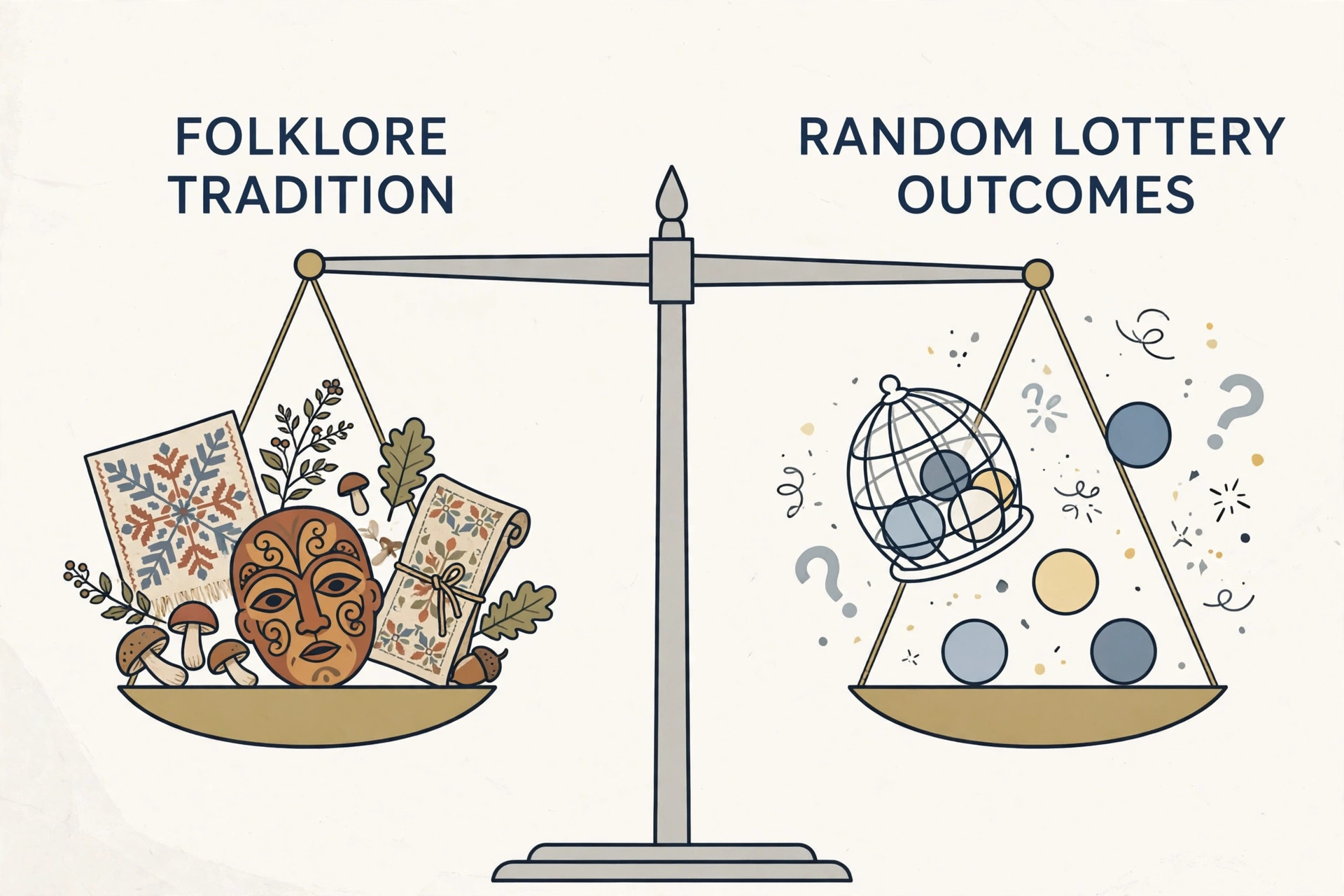
Folklore is not data. A dream-number list is a cultural artifact, like a book of superstitions or old wives’ tales. Enjoy it, study it, talk about it, but do not mistake it for a system that beats randomness. There is no system that beats randomness.
Set strict limits if you play. Teer is for adults aged 18 and above only. If you play, decide in advance how much you will spend, treat it purely as entertainment, never borrow money to play, and never chase losses. If playing stops being fun, stop playing.
Beware of paid “dream number” sellers. Some people sell supposedly accurate dream-number charts or personal dream-interpretation services for teer. Because no dream interpretation can predict results, anything sold on that promise is not worth buying. Genuine folklore is shared freely in communities; it is never a product with a price tag.
Check results from reliable sources. After the morning, afternoon and evening sessions, confirm declared numbers from a trustworthy result page rather than from rumours. Our teer result list archive keeps past declared results so you can verify what was actually announced on any given day.
Frequently Asked Questions About Teer Dream Number
What is a teer dream number?
A teer dream number is a number traditionally associated with an image seen in a dream, according to Meghalaya teer folklore. For example, folk lists link dreams of snakes, rivers or weddings to particular numbers. It is a cultural tradition, not an official part of the teer game, and it does not predict results.
Is there an official teer dream number list?
No. There is no official or authoritative dream-number list. The associations come from oral tradition, market booklets and community custom, and different sources disagree with each other. Any page that presents its list as official or guaranteed is misleading you.
Do dream numbers actually help win teer?
No. Teer results are decided by archery, and every number from 00 to 99 has an equal chance in each round. Dreams cannot influence archery. Wins that follow a dream are coincidences, remembered vividly because of selective memory, while the many misses are forgotten.
Why do so many teer players believe in dream numbers?
The belief persists for cultural and psychological reasons: humans naturally look for patterns, memorable wins get retold while losses are forgotten, interpreting dreams gives a comforting sense of control over a random game, and sharing dream stories is a valued social ritual in teer towns. The tradition is best understood as community folklore.
Where can I find a teer dream chart?
Many websites and printed booklets publish dream charts, but remember they are folk documents with no predictive value and they often disagree with one another. Read them as cultural curiosities if you enjoy them, never as betting guidance, and be cautious of anyone selling “accurate” dream numbers.
Is it legal to play teer based on a dream number?
Teer itself is a legal, state-regulated lottery in Meghalaya for adults aged 18 and above, and playing any number you choose, dream-inspired or not, is within the rules as long as you buy tickets from licensed counters. What matters is playing responsibly: set a budget, treat it as entertainment, and never spend money you cannot afford to lose.
What should I do instead of relying on dream numbers?
If you enjoy teer, enjoy it as entertainment: follow the sessions, check declared results from a reliable source like our Shillong teer result page, and keep your spending within a fixed entertainment budget. If you are fascinated by dreams, explore dream folklore and modern dream research as subjects in their own right; both are richer when they are not confused with lottery predictions.
Conclusion
The teer dream number tradition is one of the most colourful threads in Meghalaya’s lottery culture: a living folklore of snakes and rivers, ancestors and weddings, morning tea-stall debates and hand-copied lists passed between friends. Understanding it as culture, as psychology and as community art makes it more interesting, not less. What it is not, and can never be, is a way to predict teer results. Keep the stories, enjoy the symbolism, respect the elders who tell them best, and let the archery decide the numbers. If you play, play responsibly, stay within your means, and always confirm the day’s declared numbers from a reliable result source.