

If you have ever opened a teer result chart 2026 page and felt lost among abbreviations like FR and SR, session names, and columns of numbers, you are not alone. A teer chart is really a simple record once you know its language. Every chart does the same job. It lines up declared results by date, market, session and round so that anyone can look up what happened on a particular day. This guide on Pro Teer Result is written as a complete glossary for serious readers. By the end of it, you will be able to read any teer result chart 2026 like a pro, understand every term printed on it, and avoid the common misunderstandings that trip up beginners.

What Is a Teer Result Chart 2026
A teer result chart 2026 is a year-long record of declared teer results organized in an easy-to-scan layout. Think of it as the game history book for the year. Each row or block of the chart represents one playing date, and the columns show the two daily result numbers, called the first round result and the second round result, for each market. Some charts show one market at a time, while others put several markets side by side.
Charts exist because daily result pages only show the latest numbers. Yesterday’s result moves off the page quickly, and last month’s result would be impossible to find without an archive. A chart solves that by keeping every declared result in one place, arranged chronologically. Most charts are grouped by month, so a full year of data becomes twelve monthly blocks that you can scroll or click through.
The 2026 charts follow the same conventions that chart makers have used for years. The year label matters because teer results repeat over time. Numbers cycle, and the same combination can appear in different years, so the chart must make the year obvious to prevent confusion. When you check a monthly block, always confirm the year printed at the top before treating any entry as a 2026 record.
Chart Terminology Glossary for Teer Result Chart 2026 Readers
This is the heart of the article. Every term below appears on real teer charts. Read them in order and you will never again wonder what a chart is trying to tell you.
FR (First Round)
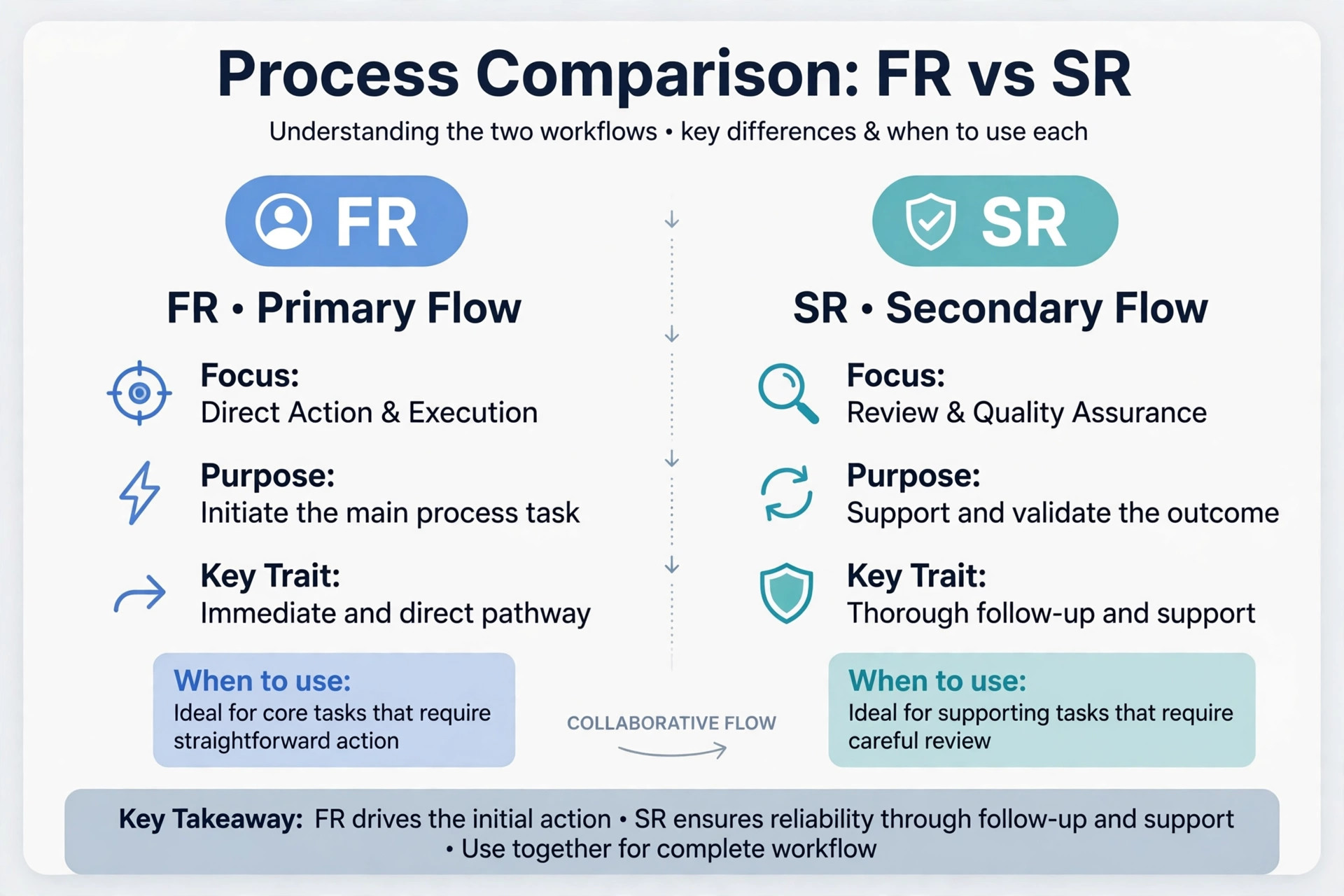
FR stands for the first round of the day’s archery session. In the teer game, archers shoot arrows at a target, and the number of arrows that hit the target determines the winning number. The first round result is the number declared from the first shooting session of the day. On a chart, FR always appears as the first number of the pair. It is declared first, and it occupies the left column or the upper position in a stacked layout.
The first round is played with a fixed number of arrows per archer. That shooting format is the same every day, which is why charts treat FR as a stable, predictable entry. If a chart shows an FR column, expect one two-digit number in it for every playing date. A blank FR cell does not mean zero. It means the first round result was not yet declared or was not recorded for that date.
SR (Second Round)
SR stands for the second round, the afternoon shooting session that follows the first round. The second round result is the number declared from the second archery session of the day. On every teer result chart 2026, SR is the second number of the pair, printed in the right column or the lower position.
The second round is a separate event with its own shooting and its own declared number. It is not a repeat or a confirmation of the first round. Beginners sometimes assume SR must relate to FR in some way. It does not. The two rounds are independent, and a chart lists them side by side purely because they share the same date and market.
Rounds vs Sessions
Chart publishers use the words round and session in slightly different ways, and this is a common source of confusion. A round (FR or SR) is one archery shooting event and one declared number. A session is a larger time block of the day during which a market plays, such as the morning session, the day or afternoon session, the evening session, or the night session. Each session contains its own FR and SR.
So when a chart says morning session, it means the pair of rounds played in the morning. When it says evening session, it means the FR and SR declared in the evening. Larger markets like Shillong run more than one session per day, while smaller counters may run only one. Reading a chart correctly means checking the session label first, then the round. Pro Teer Result publishes session-wise results so that each session’s FR and SR stay clearly separated.
Market Names on Charts
A market is the place or association whose archery session produces the result. The most common market names on a teer result chart 2026 are Shillong, Juwai, Khanapara, and Jowai Ladrymbai. Each market is an independent game with its own counters, archers and declaration schedule.
Charts are usually organized one market at a time. A Shillong chart shows only Shillong results. A combined chart places markets side by side with clear headers. The market name is the single most important label on the chart because the same date can carry completely different numbers in different markets. Always match the market header to the market you follow before reading any number. If you follow Khanapara, reading the Shillong column by mistake gives you a wrong record.
For quick navigation, see the market pages on this site: Shillong Teer Result and Khanapara Teer Result.
Date Formats on Charts
Teer charts use several date formats, and mixing them up is a classic beginner error. Common formats include DD-MM-YYYY, DD/MM/YYYY, and the short form DD-MM-YY. Some charts write the month as a word, such as 15 Jan 2026. Whatever the format, the day comes first in Indian-style charts, not the month.
Because teer is played across India and Bangladesh, some readers instinctively read dates in month-first order. On a teer chart, 05-06-2026 means 5 June, not 6 May. Check the format legend or the first few rows to confirm. A chart that labels June as 06 in one row and writes Jun in another is inconsistent, and you should rely on the spelled-out version in that case.
Charts may also mark non-playing days. Sundays and certain holidays carry no results, and a well-made chart marks them as closed or holiday instead of leaving a confusing blank row. A blank row and a holiday row are different things. The holiday row is intentional. The blank row may be a missing update.
Declared, Pending and Updated Statuses
Modern charts carry status labels next to each entry. Declared means the result has been officially announced by the market and the chart entry is final. Pending means the session has not yet produced a result, usually because the shooting has not finished. Updated means the chart maker has refreshed the entry with the latest declared number.
Treat pending entries as placeholders, not results. A chart that still shows pending for a session simply has not been refreshed yet. Wait for the declared status before treating the entry as a record. This is part of reading a chart like a pro: you read the status first, and the number second.
Record, Archive, Chart and List
These four words are often used loosely, but on a well-organized site they mean different things. A chart is the grid layout that shows results by date. A list is a simple sequential rundown of results, usually newest first, without the monthly grid structure. An archive is the stored collection of past results, often organized by month and year. A record is a single result entry, one date, one market, one session, one round.
The teer result list page on this site shows results in list form for quick daily checking. The chart pages show the same data in the monthly grid format that this glossary describes. Both draw from the same archive of records.
Session Labels Explained: Morning, Day, Evening and Night
Sessions are the time blocks of the teer day. Different markets run different sessions, and each session has its own pair of FR and SR results. Here is what each label means on a teer result chart 2026.
Morning session is the earliest block of play. It carries its own FR and SR, and on charts it is often grouped with Juwai and Shillong morning games. When you look at a morning column, you are looking at results from the morning shooting, not leftovers from the previous day.
Day session, sometimes labeled afternoon session, is the midday block. This is the main session for the big markets, and it usually has the most attention from players. On a combined chart, the day session columns sit between the morning and evening columns.
Evening session is the later block, and night session is the final block of the day. Night sessions have their own charts and their own FR and SR. A night result belongs to the night session of that date. It does not belong to the next morning, even though it may be declared late in the day.
One important habit: when you open any teer result chart 2026, locate the session label before you read a single number. Sessions are independent. Mixing a morning FR with an evening SR from the same date creates a false pair that never existed.
How to Read a Teer Result Chart 2026 Like a Pro
With the glossary in place, here is the reading method professionals use. Follow these steps in order every time you open a chart, and you will read it accurately in seconds.

Step 1 – Confirm the year. Look at the top of the chart and make sure it says 2026. Archived charts from earlier years look identical in layout, so the year label is your only protection against reading an old record as a new one.
Step 2 – Confirm the market. Find the market header, Shillong, Juwai, Khanapara or Jowai Ladrymbai, and make sure it is the market you follow. On combined charts, keep your eye inside the correct market’s columns.
Step 3 – Confirm the session. Find the session label, morning, day, evening or night. Each session has its own FR and SR pair. Never borrow a number from one session to fill a gap in another.
Step 4 – Read the date row. Find the exact date you want. Remember the day-first format. Check whether the row is marked as a holiday or closed day.
Step 5 – Read the round. FR is the first number, SR is the second. Read them as a pair only if both are marked declared.
Step 6 – Check the status. If the entry says pending or the cell is blank, the result is not yet final. Wait for the declared update.
This six-step habit takes a few seconds once it becomes automatic, and it eliminates almost every chart reading mistake.
What a Typical Chart Row Looks Like
A typical row in a teer result chart 2026 looks like this in words: date 12-03-2026, market Shillong, day session, FR marked with a two-digit number, SR marked with a two-digit number, status declared. Where this article shows a sample layout, any numbers shown are marked clearly as example only and are not real results. The pattern matters, not the digits. Date, market, session, FR, SR, status. Every complete chart row contains these six pieces of information, and a pro reads all six before trusting the entry.

Common Chart Terms That Confuse Beginners
Even with the glossary above, a few terms cause repeated confusion. Here they are, explained plainly.
Old result vs previous result. An old result is any result from an earlier date kept in the archive. A previous result usually means the most recent declared result before today. Charts label archives by month, so last month’s chart is an old result chart, while yesterday’s entry is the previous result.
Result number vs house and ending. The result number is the two-digit declared number. House and ending are terms from prediction culture that break the number into its two digits. This glossary does not cover prediction terminology because this site publishes informational records only. When you read a chart, read the two-digit number as one number.
Declared number vs announced number. These mean the same thing. Declared is the formal word charts prefer. Both refer to the number the market officially announced after the shooting.
Chart vs result page. The chart is the long-term record. The result page is the daily update. If you want today’s numbers, open the result page. If you want last month’s numbers, open the chart or archive.
Live vs updated. Live means the page refreshes as soon as numbers are announced. Updated means the page was refreshed at a specific time with the latest declared numbers. A chart is almost never live. It is updated after each declaration. Expect a short delay between the announcement and the chart entry.
Organizing Your Own Use of Teer Charts
Serious readers do more than glance at charts. They use them systematically. Here are practical habits that make teer result chart 2026 records genuinely useful.
Bookmark the chart page for your market. Daily result pages change constantly. Chart pages are stable. Keep the chart bookmarked and open it whenever you need a past date.
Use monthly blocks, not endless scrolling. Monthly charts load faster and are easier to scan. If you need a result from March 2026, open the March block directly instead of scrolling a full-year page.
Copy the full row, not just the number. When you note down a result, write the date, market, session, FR and SR together. A bare number without its date and session is a record you cannot verify later.
Cross-check with the daily result page. Charts are secondary records compiled from daily declarations. If a chart entry looks odd, compare it with the daily result for that date. The daily declaration is the primary record.
Keep the year in your notes. Write 2026 in every note you take from a teer result chart 2026. Number combinations repeat across years, and an undated note becomes useless within months.

Teer Result Chart 2026 – Frequently Asked Questions
What does FR mean on a teer result chart?
FR stands for first round. It is the number declared from the first archery shooting session of the day. On every teer result chart 2026, FR appears as the first number of the daily pair, in the left column or upper position of the chart layout.
What does SR mean on a teer chart?
SR stands for second round. It is the number declared from the second archery shooting session of the day. It appears as the second number of the daily pair, in the right column or lower position. The two rounds are independent events with separate shootings.
How is a teer chart different from a teer result list?
A chart arranges results in a monthly grid with dates as rows and rounds as columns. A result list shows results in a simple newest-first sequence. Both show the same declared numbers, but the chart is better for looking up a specific past date, while the list is better for checking the latest results quickly.
Why is a chart cell blank?
A blank cell usually means the result was not yet declared or the chart had not been refreshed when you looked. It can also mark a non-playing day that the chart maker did not label as a holiday. Wait for the declared update rather than treating the blank as a zero or a missing number.
Do morning and evening sessions share the same chart?
Each session has its own FR and SR pair, and charts separate them with session labels. Morning, day, evening and night sessions are independent. Never mix a morning FR with an evening SR from the same date, because that pair never existed as a real declaration.
How far back do teer result charts go?
Charts on established sites go back several years, organized by year and month. A teer result chart 2026 covers the current year. For older records, look for the archive links for earlier years on the chart page.
Can the same number appear twice on a chart?
Yes. Teer result numbers repeat naturally because the shooting results vary within a fixed range. Seeing the same two-digit number on different dates is normal and does not indicate an error in the chart.
Are chart entries updated immediately after declaration?
There is usually a short delay between the official declaration and the chart update. Charts are compiled records, not live feeds. If a cell shows pending, wait for the refresh rather than assuming the number will not appear.
Conclusion
A teer result chart 2026 is only as useful as your understanding of its language. Once you know that FR is the first round and SR is the second, that sessions are independent time blocks, that dates read day-first, and that status labels tell you whether an entry is final, any chart becomes easy to read. Bookmark your market’s chart, read the six pieces of every row, and cross-check anything that looks odd against the daily declaration. Read this way, charts turn from confusing grids into reliable records.
Teer is a legal lottery in Meghalaya, for adults 18 years and older only. Play responsibly and treat charts as information, not as advice.
For background on the game itself, see the Teer article on Wikipedia and the official Government of Meghalaya portal.