

If you are new to the game, the phrase morning teer vs day teer can sound confusing. Both names describe teer sessions, but they happen at different parts of the day, follow their own round schedules and produce completely separate results. Understanding the difference matters, because a morning teer result has nothing to do with a day teer result, even when both belong to the same market on the same date. This guide compares morning teer and day teer in plain language, explains how the first round and second round work in each session, and shows you how to read, track and check each session result without mixing them up.
Teer is a legal archery-based lottery game played in Meghalaya, and it is for adults aged 18 and above only. The game is organized in sessions, and each session is built from archery rounds shot by skilled archers. The last two digits of the total number of arrows that hit the target decide the winning number of that round. Because every round is a fresh event with fresh shooting, every session result is independent. That single fact is the key to understanding morning teer vs day teer.

What Morning Teer vs Day Teer Really Means
The comparison of morning teer vs day teer is really a comparison of two different playing windows in the same sport. Morning teer refers to the teer sessions that are conducted in the morning part of the day. Day teer, often called the day session or the main session, refers to the sessions conducted later in the day, across the afternoon and evening.
Each session is a complete game on its own. A morning session has its own archers, its own shooting rounds and its own declared result. A day session has the same structure but runs at a later time and produces a different result. Think of it like two separate matches in a tournament played on the same day. The outcome of the first match never decides the outcome of the second.
Players sometimes assume that the morning result somehow hints at the day result, or that the two sessions are connected rounds of one game. They are not. Organizers run them as independent sessions, and the result of the morning teer session has zero influence on the result of the day teer session. This matters for anyone who follows results seriously, because tracking them as if they were one continuous game leads to wrong conclusions.
Another source of confusion is naming. Some markets call their later session the day teer, while others simply call it by the market name with afternoon and evening rounds. On Pro Teer Result, session labels follow the market’s own naming so you always know which result belongs to which session.
How Teer Sessions Work – FR and SR Rounds Explained
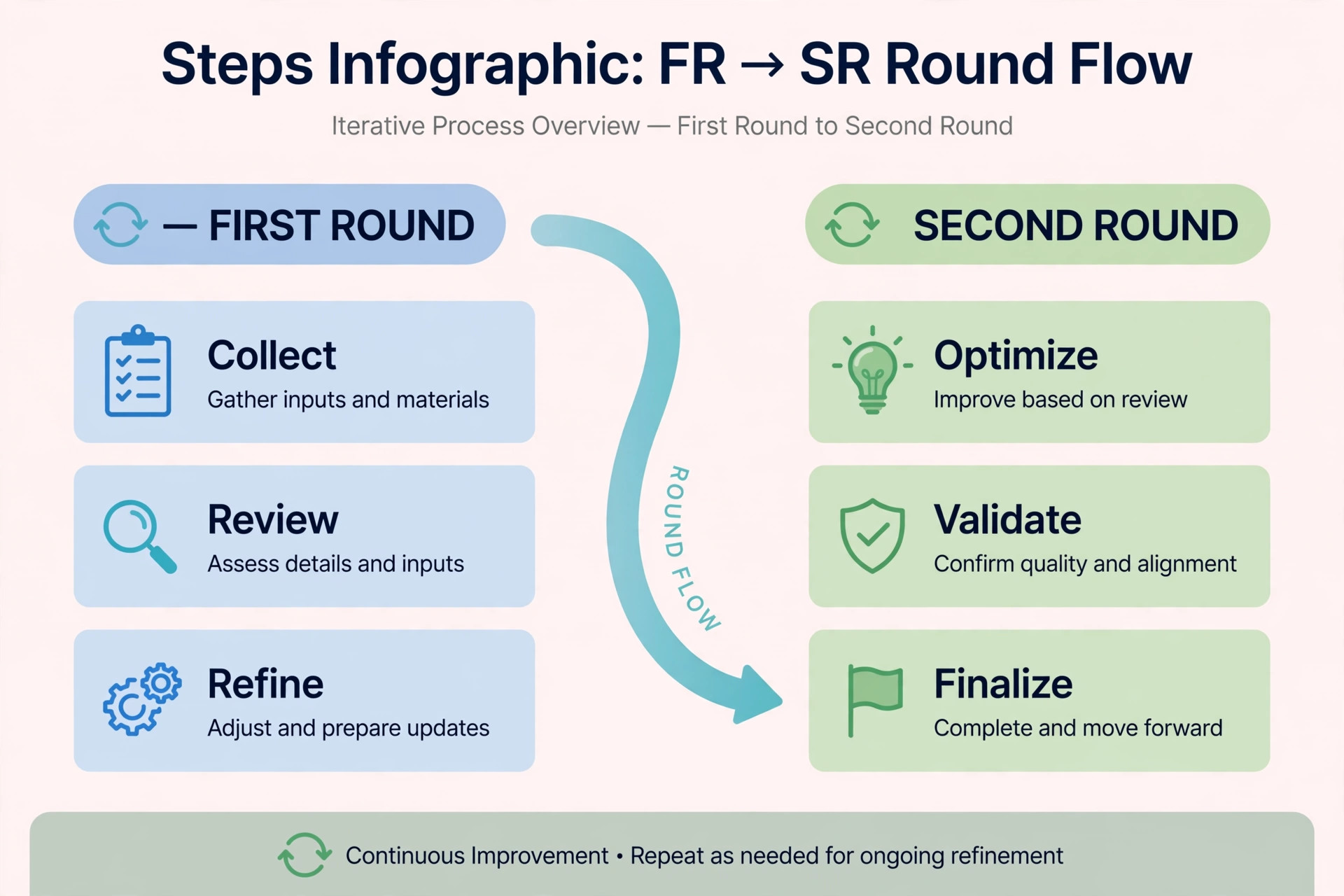
Whether you are looking at a morning teer session or a day teer session, the internal structure is the same. Every teer session consists of two archery rounds, universally known as the first round (FR) and the second round (SR). Understanding these rounds is essential before any morning teer vs day teer comparison makes sense.
The First Round (FR)
The first round, or FR, is the opening archery round of a session. A set number of archers shoot a fixed number of arrows at a target, and officials count how many arrows hit. The last two digits of that hit count become the FR winning number. If the count of hitting arrows ends in, for example, a two-digit combination, those two digits are declared as the first round result.
The FR is the same round that many players simply call the “first number” of the day for that session. In a morning teer session there is a morning FR, and in a day teer session there is a separate day FR. Both are declared after their respective shooting is complete and counted.
The Second Round (SR)
After the first round finishes, the session continues with the second round, or SR. Fewer archers usually shoot in the second round, and again the last two digits of the arrows that hit the target decide the winning number. The SR is the “second number” of that session.
Just like the FR, the SR exists independently inside each session. A morning teer session has its own SR, and a day teer session has its own SR. The morning SR never carries over into the day session, and the day FR never depends on what happened in the morning.
Why Each Session Declares Two Numbers
Newcomers often ask why one session produces two results. The answer is simple. The game is structured as two rounds of archery, and each round is a separate betting and result event. Tickets are sold separately for the first round and the second round, and each round pays out on its own winning number. So a full teer day across morning and day sessions can produce several winning numbers, two per session, and each one stands alone.
Morning Teer vs Day Teer – Session-by-Session Comparison
Now let’s put morning teer vs day teer side by side so the differences are easy to see.
The Morning Session
The morning teer session is the earliest session of the playing day. Archers gather at the teer ground in the morning, the shooting takes place, and the results are declared once counting is finished. Morning sessions are offered by several markets, including Shillong morning teer, Juwai morning teer and Khanapara morning teer. Each of these morning sessions follows the standard FR then SR structure, and each market’s morning result is independent of every other market’s morning result.
Morning sessions appeal to players who want to participate early in the day. The result is declared and published, the session closes, and the day’s play moves on to the later sessions. On this site you can follow the Shillong morning teer result on its dedicated market page, where the morning FR and SR numbers are listed with their dates.
The Day Session
The day teer session is the main session that takes place later in the day, covering the afternoon and evening rounds. In most markets this is the best-known session and the one the largest number of players follow. The Shillong day session, for example, runs its FR in the afternoon and its SR in the evening, with each round’s result declared after counting is complete.
The Juwai and Khanapara markets also run day sessions with their own afternoon and evening rounds. Like the morning sessions, each day session is independent. The day session of one market has no connection to the day session of another market, and it has no connection to any morning session either, even its own market’s morning session from earlier that day.
Morning vs Day at a Glance
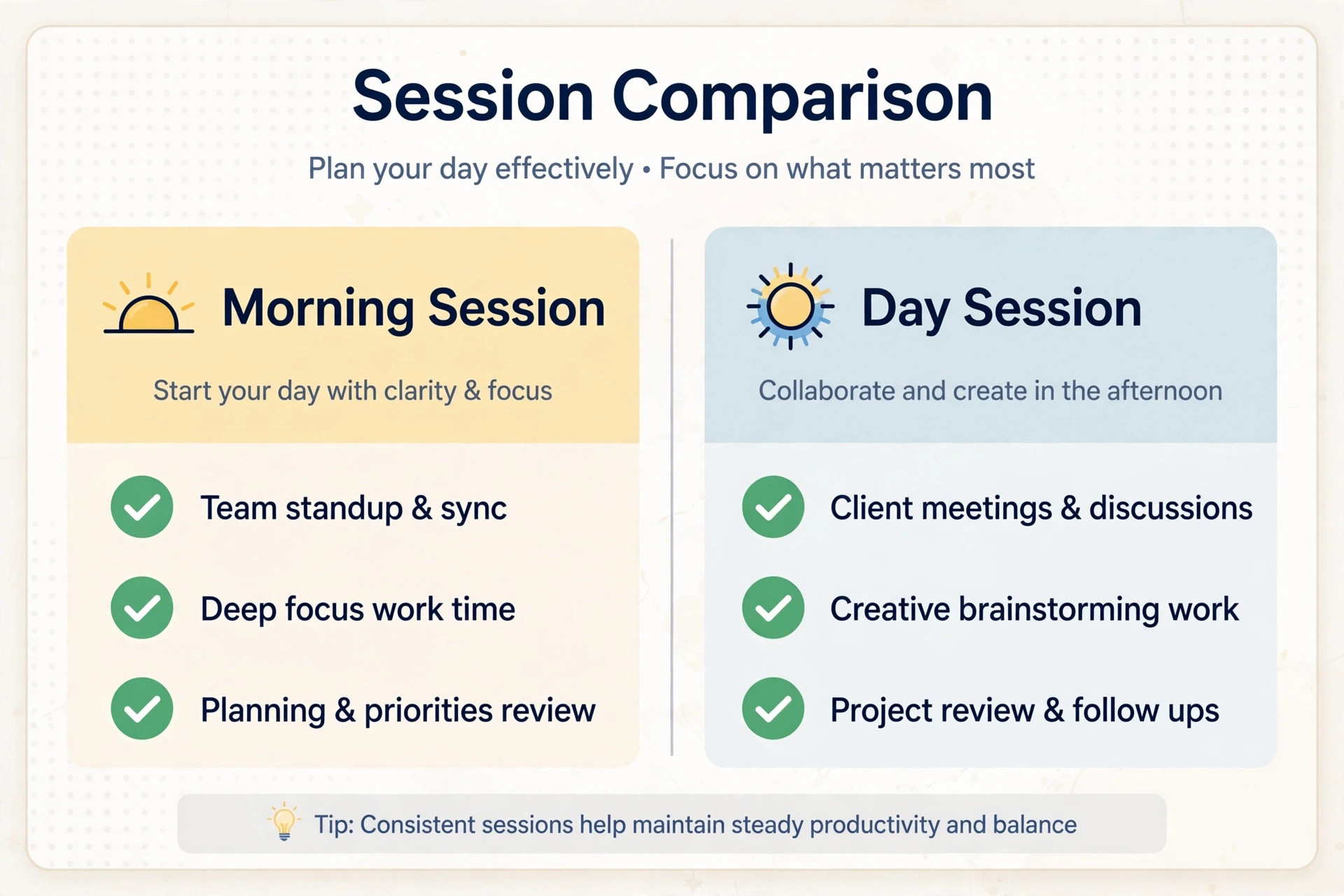
The simplest way to remember the morning teer vs day teer difference is this. Morning sessions happen in the morning, day sessions happen in the afternoon and evening. Each session has a first round and a second round. Each round produces its own result. No result from any session influences any result from any other session.
The practical consequence is that you must always check results by session. A player who holds a morning ticket checks the morning result. A player who holds a day ticket checks the day result. Mixing them up, for example celebrating a day ticket because the morning number matched, is one of the most common beginner mistakes, and it comes directly from not understanding the morning teer vs day teer split.
Which Markets Offer Morning and Day Sessions
Not every market runs every session, so it helps to know the session map. Here is how the main teer markets divide their sessions across the day.
Shillong Teer Sessions
Shillong is the flagship market and the one most players associate with the game. It runs a morning session as Shillong morning teer, with its own FR and SR in the morning. Later in the day it runs the main Shillong session, with FR in the afternoon and SR in the evening. Some schedules also include a Shillong night session in the evening hours, which is a further separate session with its own rounds.
Because Shillong has the fullest session lineup, it is also the market where the morning teer vs day teer distinction matters most. A single calendar day can carry a Shillong morning result, a Shillong day result and sometimes a night result, and each one must be read on its own. The Shillong teer result page on this site keeps the market’s sessions organized so you can find the right one.
Juwai Teer Sessions
Juwai runs a morning session known as Juwai morning teer, with FR and SR rounds in the morning, and a day session later in the day with its own afternoon and evening rounds. Juwai’s sessions are fully independent of Shillong’s sessions. A Juwai morning result and a Shillong morning result are different games in different places, even though both happen in the morning.
Khanapara Teer Sessions
Khanapara, the market centered near Guwahati in Assam, also runs morning and day sessions. The Khanapara morning teer session takes place in the morning with its own two rounds, and the Khanapara day session follows later with afternoon and evening rounds. As with every other market, the morning and day results are independent events.
Reading the Session Map Correctly
The pattern is consistent across markets. Each market can run a morning session, a day session and sometimes an evening or night session. Each session has a first round and a second round. Each round declares its own winning number. The full teer result list on Pro Teer Result organizes results by market and session so you can browse the complete picture for any date without confusion.
How to Read a Morning Teer Result vs a Day Teer Result
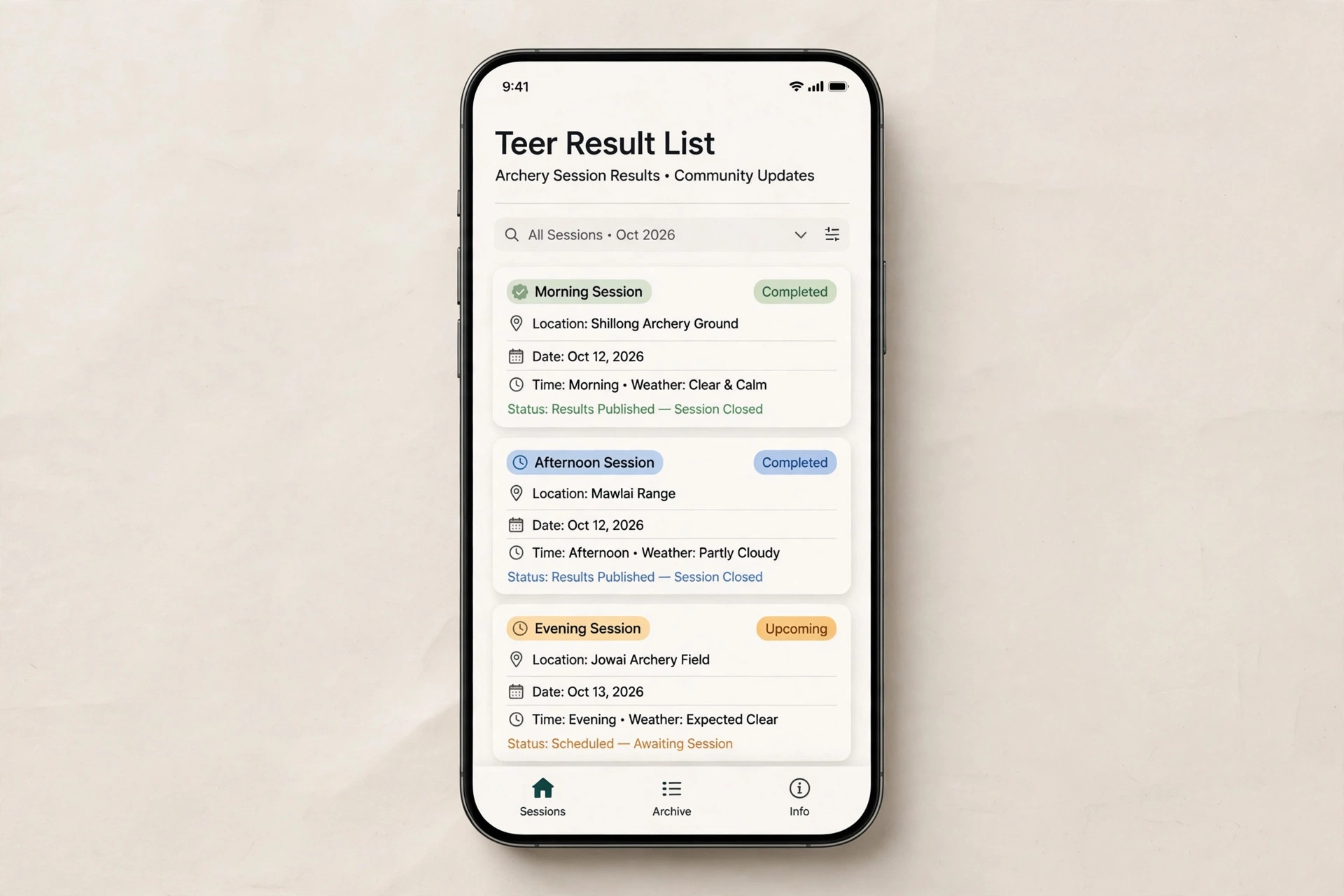
Reading results correctly starts with reading the session label first and the numbers second. A typical result listing shows the market name, the session name, the date, the FR number and the SR number. For example, a listing might read “Shillong Morning Teer, today’s date, FR -, SR -“, where the dashes are placeholders showing the format.
The morning teer vs day teer comparison changes nothing about the format. What changes is which listing you look at. Here is a reliable reading routine.
First, identify your ticket’s session. Your ticket or your memory of when you played tells you whether you participated in the morning session or the day session, and which market it was.
Second, open the result page for that exact market and session. Do not read the first result you see on a mixed list. Scroll or filter to the session label that matches your ticket.
Third, match the round. FR tickets are checked against the FR number of that session, and SR tickets are checked against the SR number of that session. A morning FR ticket is never checked against a morning SR number or a day FR number.
Fourth, confirm the date. Sessions repeat daily, so yesterday’s morning result can look like today’s if you are not careful. Always confirm the date on the listing matches your ticket’s date.
Building a Daily Routine Around Teer Sessions
Players who follow multiple sessions benefit from a simple routine that respects the morning teer vs day teer structure. In the morning, check the morning session results for the markets you follow, record the FR and SR numbers with the date, and close that part of the day. Later, when the day session rounds conclude in the afternoon and evening, check the day session results the same way and record them separately.
Keeping a small notebook or a phone note with one section per session prevents the most common mix-ups. Label each entry with market, session, date, FR and SR. Reviewing this record over weeks also teaches you something valuable about the game. You will see clearly that morning and day results move independently, which reinforces why no session’s outcome predicts another’s.
If you follow results online, bookmark the session pages you use most and check each one at its own time. Result sites publish each session as its own update, and refreshing a morning page in the evening will not show you the day result. You have to visit the day session’s own listing.
Common Mistakes in the Morning Teer vs Day Teer Comparison
Several misunderstandings come up again and again, and clearing them up will save you frustration.
The first mistake is treating the morning session as a warm-up for the day session. It is not. The morning session is a complete game with its own winners and its own payouts. Its result has no bearing on what the day session will produce.
The second mistake is assuming all markets share one morning result or one day result. They do not. Shillong morning, Juwai morning and Khanapara morning are three different sessions with three different results. The same applies to the day sessions.
The third mistake is checking the wrong session’s result and believing a ticket won or lost. Because the listings for morning and day sessions can appear on the same page, a quick glance can land on the wrong row. Always read the session label.
The fourth mistake is believing that delays in one session affect another. Sometimes a session’s result is declared late because counting takes longer or conditions at the ground cause a holdup. A delayed morning result does not delay the day session, and a delayed day result does not change anything about the morning session that already concluded.
The fifth mistake is the most costly in terms of expectations. Some players try to build strategies that link morning numbers to day numbers, assuming a pattern across sessions. Since each round is an independent archery event, cross-session patterns have no mechanical basis. Each session starts fresh.
The Legal and Responsible Play Note
Teer is a legal lottery game in the state of Meghalaya, operated under the state’s lottery regulations, and similar archery-based teer games run under local authorization in neighboring areas such as Khanapara in Assam. Participation is strictly for adults aged 18 and above. Like any form of lottery or betting, teer should be played responsibly and only with money you can afford to lose. If playing stops being entertainment, step back and seek help. For background on how lotteries are regulated in India, you can read the overview on lotteries in India, and for context on the city where the game was born, see the article on Shillong.

Why the Session Split Exists
It is natural to wonder why teer is split into morning and day sessions at all instead of one single daily game. The split exists for practical reasons. Archery grounds can host only so many archers and spectators at once, and spreading play across the day lets more people participate. Different player groups also prefer different times. Some play in the morning before work, others play later in the day. Separate sessions also mean separate prize pools per round, which keeps each session’s payouts clean and simple to administer.
From the organizer’s side, each session is a self-contained operation with its own ticket sales, its own shooting, its own counting and its own declaration. That independence is exactly what makes the morning teer vs day teer comparison meaningful. You are comparing two complete, separate games that share a sport and a format but nothing else.
Tracking Results Over Time the Right Way
Many regular followers keep records of past results, and the session split determines how those records should be organized. A useful archive keeps morning and day results in separate columns or separate pages, never merged into one sequence. Merging them creates a false timeline where a morning FR appears to be “followed” by a day FR, suggesting a relationship that does not exist.
When you review your records, review each session’s history on its own. Look at the morning session’s FR history as one series and the day session’s FR history as another. This is the only honest way to read past results, because it respects how the game is actually played. It also keeps you clear of prediction thinking. Past independent results do not determine future independent results, in teer or in any lottery.
Result archives on this site keep sessions separated for exactly this reason, so when you browse older dates you see each session’s FR and SR in its own labeled block.
Morning Teer vs Day Teer FAQs
What is the difference between morning teer and day teer?
Morning teer is the teer session conducted in the morning, and day teer is the session conducted later in the day across the afternoon and evening. Each session has its own first round and second round and declares its own separate results. The morning result never affects the day result.
Do morning teer and day teer use the same archers?
Not necessarily. Each session is organized independently, and the set of archers shooting in a morning session can differ from those shooting in the day session. Even with the same archers, each round is a fresh shooting event, so results remain independent.
Which markets have both morning and day sessions?
Shillong, Juwai and Khanapara all run morning sessions and day sessions. Each market’s sessions are independent of the other markets’ sessions, so on a given date there are separate morning and day results for each market.
How do I know which result to check for my ticket?
Check the session and market on your ticket, then find the matching session label on the result page. A morning ticket is checked against the morning session result of the same market and date, and a day ticket against the day session result. Also match the round, FR against FR and SR against SR.
Can the morning teer result tell me anything about the day teer result?
No. Each session and each round is an independent archery event. The morning result has no influence on the day result, so it cannot be used to anticipate or predict the day session outcome.
What should I do if a session result is delayed?
Wait for the official declaration for that specific session and avoid assuming the numbers from another session. Delays in one session do not affect the schedule or the outcome of other sessions. Check back on the delayed session’s own result listing.
Is teer legal, and who can play?
Teer is a legal lottery game in Meghalaya and is played under applicable local regulations in the areas where it operates. It is strictly for adults aged 18 and above. Always play responsibly.
Conclusion
The morning teer vs day teer question has a simple answer once you see the structure. They are two independent sessions of the same archery lottery, one played in the morning and one played across the afternoon and evening. Each has a first round and a second round, each round declares its own number, and no session influences any other. Keep your tickets, your result checks and your records separated by session, and you will never confuse a morning result with a day result again. For daily updates, follow each session on its own page here on Pro Teer Result and read the session label before you read the numbers.